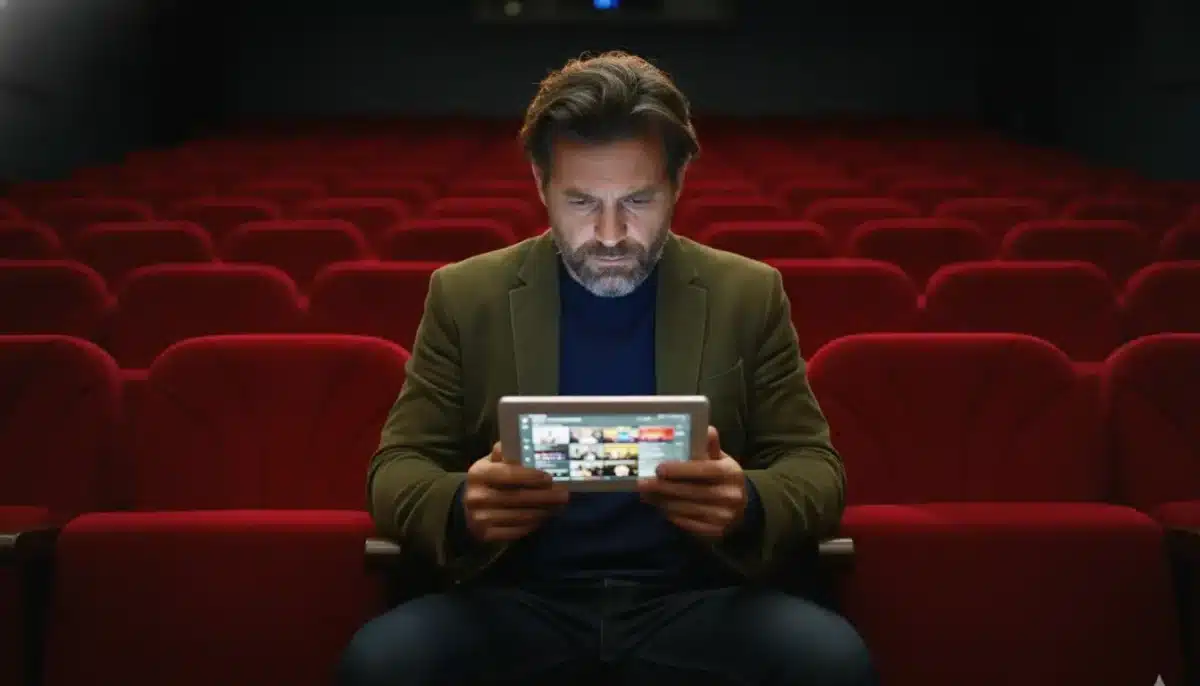
Cinema professors are sounding the alarm: their students, despite being passionate about the seventh art, can no longer stay focused long enough to watch a full feature film. What should be “the best assignment in the world” has become a genuine ordeal for many, as watching cinematic masterpieces now means battling an endless stream of notifications.
The Crisis in the Classroom
The problem is widespread and well-documented. According to an in-depth investigation by The Atlantic, even at the University of Southern California, which houses one of the world’s most prestigious film programs, professor Akira Mizuta Lippit compares his students to smokers caught in full addiction. The phenomenon has become so pronounced that it’s affecting academic performance across specialized film studies programs.
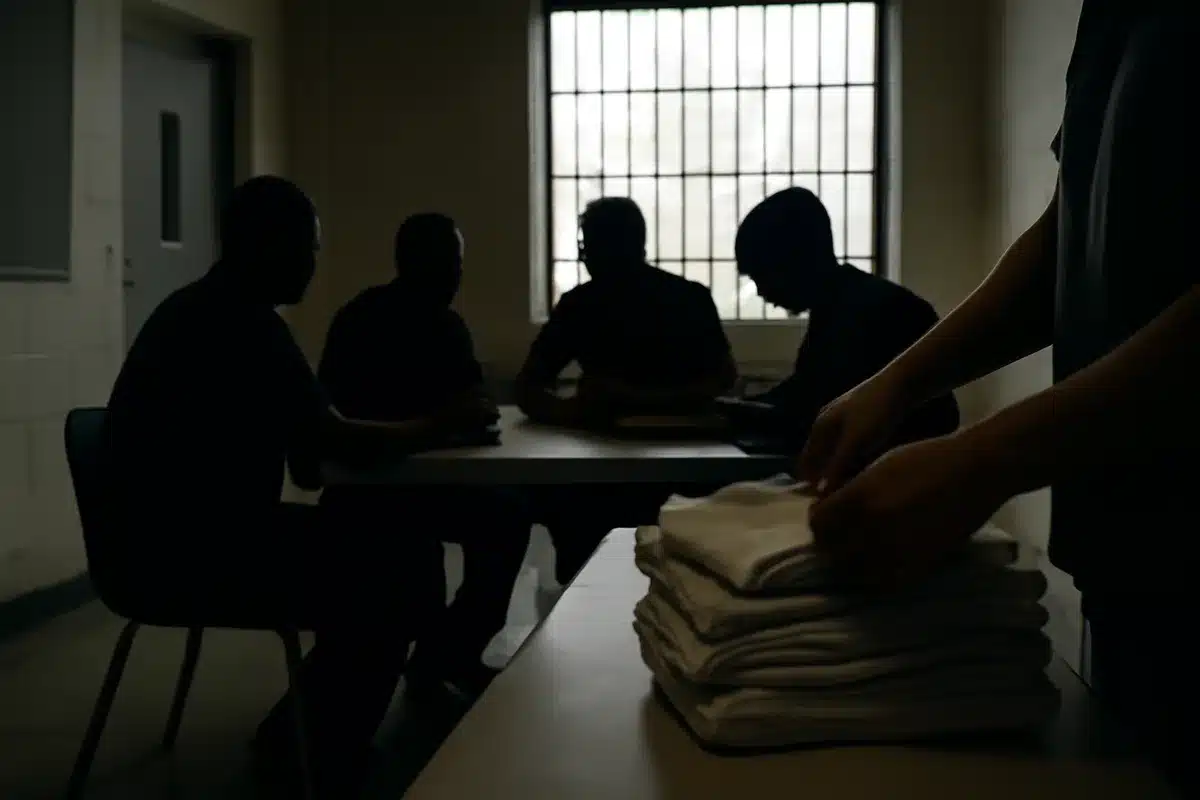
Malcolm Turvey, director of the film studies program at Tufts University, observes that nearly half of his class ends up stealing furtive glances under their desks, incapable of fully immersing themselves in the work being projected. Even with the best intentions and a genuine love of cinema, today’s students struggle to maintain focus through an entire film.
The numbers tell a sobering story. At Indiana University, internal streaming platforms allow professors to track precisely whether students have watched required content. On average, less than half of students even start the film, and only 20 percent make it all the way to the credits. This disconnection has direct consequences for learning and evaluation.
When Incomplete Viewing Becomes Academic Failure
The impact on actual learning is striking. During an exam on Francois Truffaut’s Jules and Jim, over 50 percent of students failed simple multiple-choice questions about the plot. In another exam, some students even invented scenes, imagining characters fleeing Nazis, when the action actually takes place well before World War II. For one instructor with twenty years of teaching experience, this widespread academic collapse was unprecedented, forcing him to adjust grades for the first time in his career.
Pandemic-accelerated phenomenon, this issue appears to have fundamentally altered cognitive mechanisms in young adults. Even within specialized film programs, the behavior of an attentive and engaged spectator is disappearing in favor of fragmented viewing experiences.
The Root Cause: Digital Habits Rewired Our Brains
This problem isn’t simply laziness. A study on computer user attention reveals a staggering acceleration in how we consume digital content. We now switch between tabs or applications every 47 seconds on average. In 2004, that interval was still two and a half minutes. The infinite scroll of social media has conditioned our brains for immediate and constant satisfaction, making cinema’s longer paces feel unbearable.
The structural nature of this problem extends far beyond the classroom. Today, even during work meetings, people receive Teams messages and only half-listen to presenters. The deterioration of our ability to concentrate, even during important moments, is the real concern.
A Crisis Spreading Beyond Academia
What started as a classroom issue is now infiltrating the highest levels of the film industry. Hollywood is beginning to adapt to this new reality, with streaming platforms like Netflix issuing surprising directives to filmmakers. Even the Oscar voting process reveals the extent of the problem: several Academy members have admitted to voting for winners without having watched the nominated films at all.
Cinema, as one observer notes, is simply a reflection of how we currently function. The generational decline in sustained attention isn’t unique to film appreciation, but the ability to concentrate even during important moments is increasingly alarming. This isn’t just about hobbies anymore. It’s about whether we can maintain focus when it truly matters.