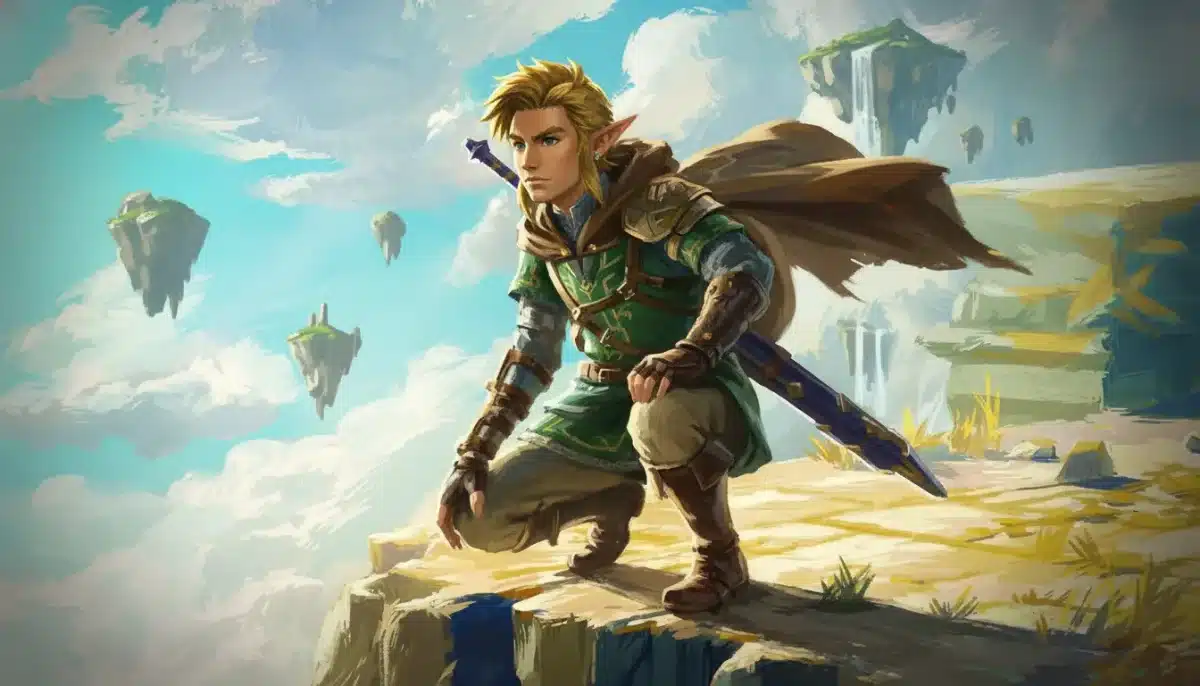
The Legend of Zelda has recently celebrated its 40th anniversary, and while Nintendo hasn’t made a big fuss about the milestone so far, fans are already dreaming about what the next major installment might look like. One thing is clear: the studio behind the franchise is taking its sweet time, and honestly, that’s fantastic news.
A Legacy Built on Reinvention
Link’s adventures began back in 1986 and have been going strong ever since. Rather than telling one continuous story split into chapters, Nintendo chose to explore what you might call a monomyth, rewritten fresh each time. While a few games do follow directly from one another, most deliver something entirely new: a new Link, a new Zelda, a new narrative, and an unprecedented vision of the Kingdom of Hyrule. That approach worked brilliantly for decades until 2017 changed everything.
The Legend of Zelda: Breath of the Wild tore up the rulebook. Out went the traditional exploration-item-dungeon formula that had defined the series. In came a sprawling, wild open world you could freely explore, complete with physics and elemental mechanics that added real depth to your adventures. The game divided longtime fans, sure, but it also sent franchise sales through the roof. Directed by Eiji Aonuma and Hidemaro Fujibayashi alongside their teams, Nintendo clearly had more tricks up its sleeve. In 2019, they unveiled the first trailer for The Legend of Zelda: Tears of the Kingdom, initially billed simply as a sequel to Breath of the Wild.
Breaking Records in Silence
Here’s where things get interesting. We know the next major episode won’t be set in that same vision of Hyrule, and the open-world approach should continue in some form or another, but that’s about all we’ve got. A Reddit user recently asked a simple question: how long does Nintendo typically wait between releasing a major 3D Zelda and announcing the next one? The answer? A new record has been set.
Let’s look at the numbers:
- Twilight Princess was announced 17 months after The Wind Waker released
- Skyward Sword first appeared on screen 31 months after Twilight Princess launched
- Breath of the Wild was announced 17 months after Skyward Sword shipped
- Tears of the Kingdom was officially revealed (though unnamed) 27 months after its predecessor
As of now, 34 months have passed since Tears of the Kingdom launched, and Nintendo hasn’t announced a successor yet. (We’re excluding The Legend of Zelda: Echoes of Wisdom, which lacks a free 3D camera.) Nintendo has clearly made substantial progress on the next game, but we have no real idea what to expect. What this silence actually tells us is that Nintendo is taking more time than ever to prepare the follow-up to a franchise whose last two installments sold nearly 55 million copies combined.
Why the Wait Makes Sense
We need context here. We’re in a transition period. The Nintendo Switch 2, which will almost certainly be the only console to benefit from the next Zelda, launched last June. Developers now need to work with brand-new hardware to maximize what it can do. It’s also worth remembering that Nintendo tends to announce games only when they’re sufficiently advanced. Whatever comes next will be one of the biggest releases on Switch 2, and there’s no way Nintendo is rushing it. The company operates against the grain of the industry in its internal practices and commercial approach alike. Nintendo controls its own timeline.
The wait continues, but for once, the gaming world seems genuinely comfortable with the silence.