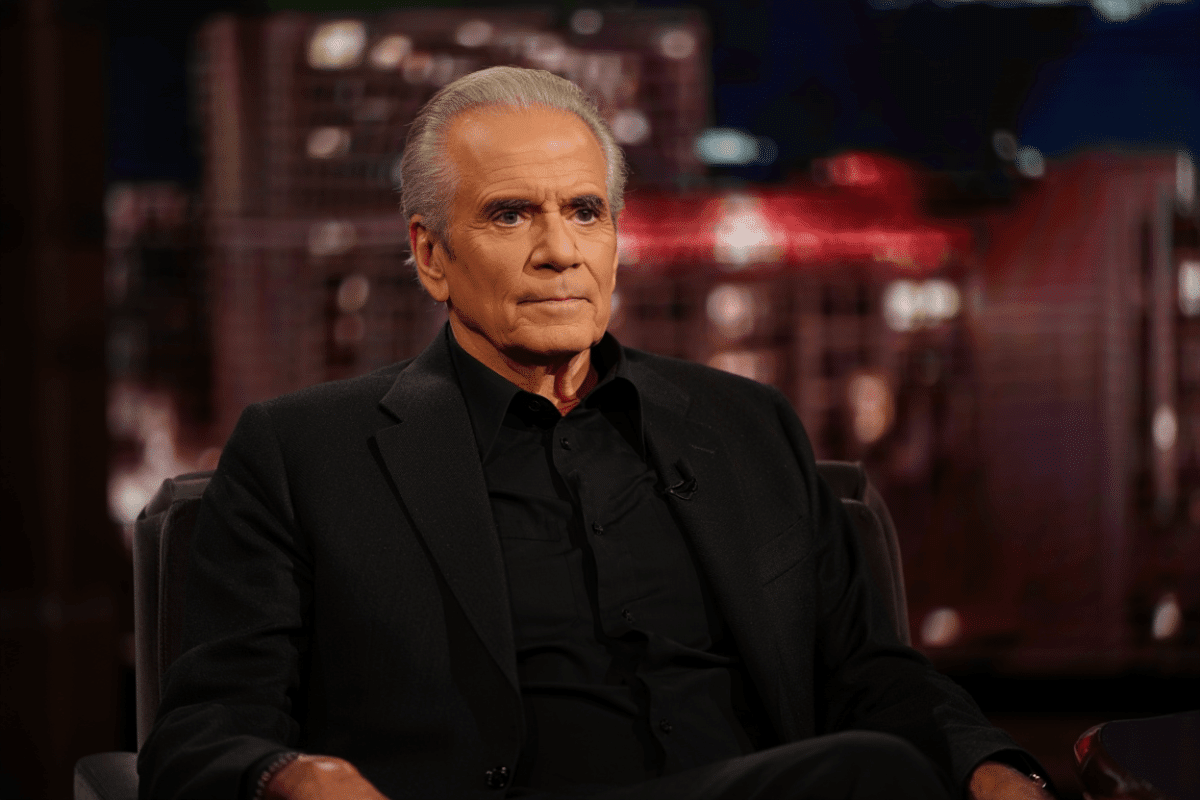
Robert De Niro delivered an emotional and politically charged farewell on Stephen Colbert’s second-to-last episode of “The Late Show” on May 21, 2026, paying tribute to the groundbreaking 11-season run that redefined late-night television. The legendary actor, aged 82, joined a star-studded lineup including Martha Stewart in what became one of the most discussed episodes of Colbert’s historic finale week.
🔥 Quick Facts
- Robert De Niro appeared on the second-to-last episode, not the final one
- The finale aired May 21, 2026 with Paul McCartney as the final guest
- The show set a weeknight ratings record for late-night television
- De Niro has appeared on Colbert’s show multiple times throughout its 11-year run
- The appearance included heavy commentary on political figures De Niro has long criticized
A Legacy Built on Truth and Accountability
Stephen Colbert’s “Late Show” ended after 11 seasons, leaving behind a complicated and consequential legacy in American television. From its launch in September 2015, the show positioned itself differently from traditional late-night fare—focusing on political satire with moral authority rather than pure entertainment. De Niro, known for his own cultural activism and outspoken political stance, became a frequent guest precisely because he shared Colbert’s commitment to using media platforms for direct commentary on governance and truth.
The pairing of these two public figures—each with decades of work demonstrating their values through art and speech—created moments that transcended typical celebrity appearances. When De Niro previously appeared on comparable late-night broadcasts, the format remained consistent: substantive conversation blended with lighter segments, all designed to showcase the guest’s authentic perspective.
De Niro’s Filmography and Career Influence Over Five Decades
Born in 1943, Robert De Niro has maintained one of cinema’s most stringent performance standards across more than 50 years. He earned an Academy Award for Best Actor for his transformative role in “Raging Bull” (1980), where he famously gained and lost 60 pounds to portray boxer Jake LaMotta across different decades. His collaborations with director Martin Scorsese—beginning with “Mean Streets” (1973) and continuing through “Goodfellas” (1990)—established a creative partnership that fundamentally shaped how cinema portrays complex moral characters.
De Niro’s willingness to venture into comedy—roles in “Meet the Fockers” and “Sleepless in Seattle”—demonstrated range beyond the intensive dramatic work for which he is primarily known. His recent projects include the Netflix thriller “The Whisper Man,” arriving August 28, alongside Adam Scott, proving his continued relevance in contemporary streaming platforms.
The Second-to-Last Episode: Guests, Moments, and Significance
May 21 marked a turning point—Colbert’s penultimate broadcast became a retrospective tour. Beyond De Niro and Martha Stewart, the episode assembled guests who represented the show’s thematic DNA: cultural figures committed to authenticity and critical thinking. The format allowed each guest a platform to reflect on what Colbert’s show meant to the national conversation during a period of intense political polarization between 2015 and 2026.
De Niro’s segment reportedly included pointed remarks about political leadership, consistent with his public stance developed over decades of interviews and social media engagement. Unlike scripted comedy, these moments carried weight because the audience recognized De Niro’s genuine conviction—not performed personas, but the accumulated moral authority of an artist who has consistently used his platform responsibly.
| Show Milestone | Date | Notable Detail |
| Premiere | September 8, 2015 | Replaced David Letterman on CBS |
| Total Run | 11 seasons | 2,600+ episodes produced |
| Penultimate Episode | May 21, 2026 | De Niro, Martha Stewart guests |
| Final Episode | May 22, 2026 | Paul McCartney as final guest |
| Ratings Record | May 22, 2026 | Highest weeknight viewership |
Political Commentary and the Role of Celebrity Voices
The May 21 appearance underscored a broader question about celebrity activism in late-night television. De Niro’s comments on the episode were neither scripted comedy nor vague platitudes—they represented hard positions taken by an artist with five decades of consistent messaging. In an era where traditional news institutions have fractured, late-night shows became primary venues for public figures to articulate dissent and moral clarity. Colbert’s program capitalized on this dynamic by inviting guests whose reputations preceded them, allowing genuine conviction to drive the conversation rather than manufactured controversy.
“Stephen Colbert has shown, more so than anyone else of this modern era of late night, the power of sticking to the truth.”
— Roy Wood Jr., Comedian and Cultural Analyst
What The Late Show’s End Means for Late-Night Television
Colbert’s departure signals the potential end of an era in late-night television. The show’s format—combining monologue satire, interview segments, and musical performances—defined how networks approached the 11 PM time slot throughout the 2010s and 2020s. With CBS stating it would sell the time slot to Byron Allen’s Allen Media Group, the infrastructure that supported such shows faces fundamental change.
De Niro’s appearance, like each penultimate-episode guest, functioned as a farewell to a specific cultural moment. The show had become something more than entertainment—it was infrastructure through which serious American figures could communicate directly with millions. When the final episode aired on May 22 with Paul McCartney performing, it completed a narrative arc that began with the 2015 premiere following the 2014 conclusion of “The Late Show with David Letterman.”
Where Will Voices Like De Niro’s Find Platforms in Post-Late Show America?
With 11 seasons of institutional platform disappearing, cultural observers wonder where actors, musicians, and public intellectuals will find equivalent stages. Streaming platforms like Netflix, Disney+, and Paramount+ have developed interview series, yet none carry the cultural weight of traditional late-night broadcasts. De Niro and his contemporaries built their public voices during an era when television infrastructure made such visibility possible—and when late-night hosts wielded genuine cultural authority.
The disappearance of “The Late Show” marks the end of not just a television program, but a specific mechanism through which American culture processed political and moral questions. Future historians will examine what emerged to fill the void left by Colbert’s show—and whether any platform proved capable of serving that same function.
Sources
- Variety – Coverage of final episodes and guest appearances
- USA Today – Detailed recap of May 21-22 episodes
- The New York Times – Analysis of Colbert‘s cultural impact
- NPR – Interview culture and legacy assessment
- Hollywood Reporter – Industry perspective on cancellation and media restructuring
- Time Magazine – Thematic analysis of late-night television’s role in American culture