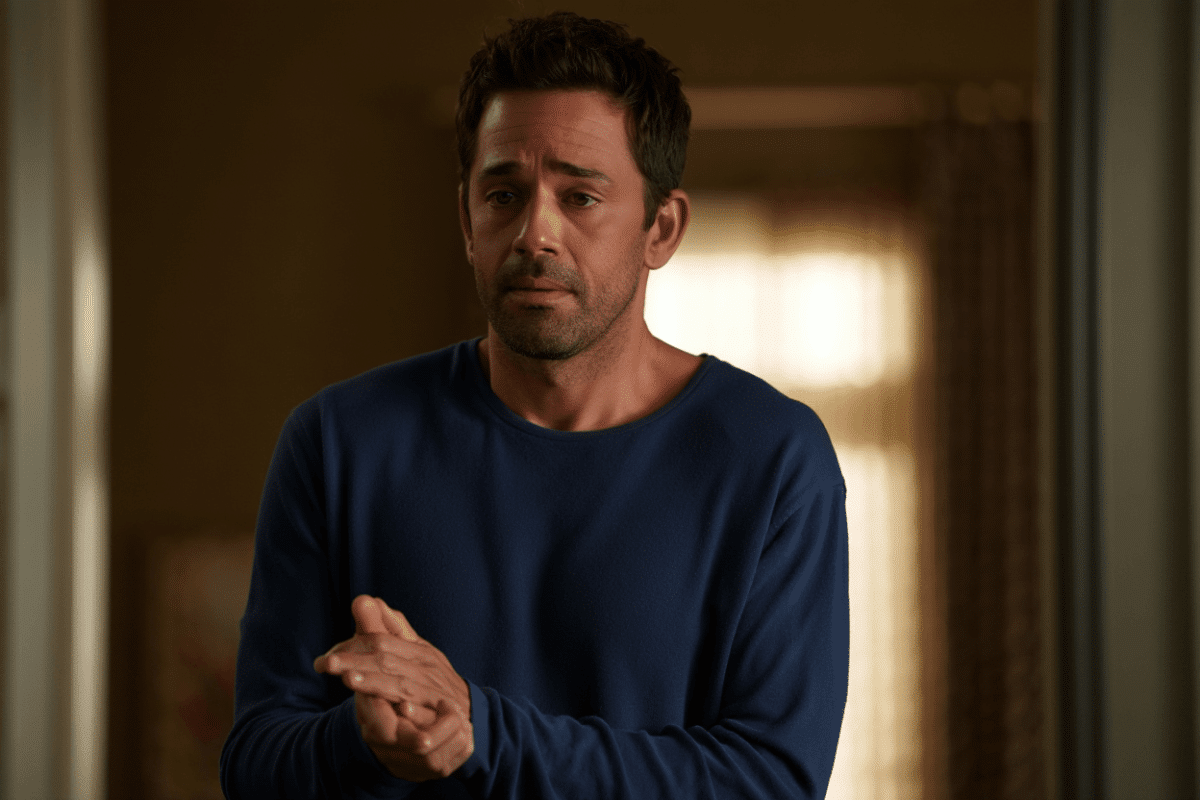
Daniel Coleman, the creator of the beloved children’s YouTube series “Danny Go!,” announced on May 22, 2026, that his 14-year-old son Isaac has passed away following a battle with stage 3 mouth cancer. Isaac died on May 21, 2026, after a courageous journey that began with his diagnosis in December 2025. The family’s struggle underscores the profound impact of childhood cancer and the role of parental advocacy in documenting a child’s medical journey with transparency and love.
🔥 Quick Facts
- Isaac Coleman was 14 years old at the time of his passing on May 21, 2026
- He was diagnosed with stage 3 mouth cancer in December 2025
- Isaac was born with Fanconi anemia, a rare genetic disorder affecting bone marrow
- He entered hospice care in April 2026 as cancer spread aggressively
- Daniel Coleman canceled his entire 2026 “Danny Go!” tour to prioritize family time
Isaac’s Medical Journey: From Genetic Predisposition to Cancer Diagnosis
Isaac Coleman was born with Fanconi anemia (FA), a rare inherited genetic disorder marked by bone marrow failure and dramatically increased cancer risk. This condition fundamentally shaped his entire life trajectory and medical history. From infancy, he underwent multiple surgical interventions, including a bone marrow transplant and a kidney transplant in March 2021 at Cincinnati Children’s Hospital. Despite these early medical battles, Isaac achieved cancer-free status briefly—until the devastating diagnosis in late 2025.
The connection between Fanconi anemia and cancer development is well-documented in pediatric oncology: FA patients experience a significantly elevated lifetime risk of developing hematologic malignancies and solid tumors. For Isaac, this genetic vulnerability created a perfect storm when mouth cancer emerged, classifying as one of the more aggressive presentations in adolescent cancer cases.
The Cancer Diagnosis and Family’s Response
On February 3, 2026, Daniel Coleman revealed via Instagram that Isaac had been diagnosed with stage 3 cancer, described as aggressive and progressing rapidly. Coleman stated his son was ‘right on the edge of stage 4’ due to the speed and aggressiveness of the spread. The family made an immediate decision: Coleman would cancel all 2026 “Danny Go!” tour dates to remain home with Isaac and his wife, Mindy Coleman.
This decision reflected a calculated prioritization of family over career—a choice that resonated with millions of parents who follow Danny Go!’s content. The cancellation signaled the severity of Isaac’s condition and demonstrated the family’s commitment to making each day enjoyable despite the medical crisis.
Escalating Condition and Hospice Care
By late April 2026, the situation deteriorated significantly. Coleman shared that Isaac’s cancer had ‘continued to spread aggressively’ and his energy levels had ‘dropped very low.’ The stage 3 classification appeared insufficient; Isaac entered hospice care following aggressive cancer spread, with a medical team onboarded to manage pain and provide comfort-focused care.
This transition marked a significant shift in treatment philosophy. Rather than pursuing aggressive chemotherapy or radiation, the family opted for palliative care—focusing on quality of life, pain management, and preserving precious moments together at home. Medical professionals on the hospice team worked alongside the Colemans to ensure Isaac’s comfort during his final weeks.
Disease Progression Timeline and Medical Context
| Date | Milestone | Status |
| December 2025 | Stage 3 mouth cancer diagnosis | Initial diagnosis confirmed |
| February 3, 2026 | Public announcement; tour cancellation | Family goes public with diagnosis |
| January 7, 2026 | Surgical cancer removal attempted | Initial treatment phase |
| April 23, 2026 | Hospice care initiated | Cancer spread aggressively; care redirected |
| May 21, 2026 | Isaac passes away | Age 14; battle ends |
Isaac’s medical timeline reflects the acceleration of adolescent oral cancer once metastatic. The progression from surgery in January to hospice entrance by April represents approximately three months of increasingly aggressive disease, illustrating the biological aggressiveness of this particular cancer presentation in a Fanconi anemia patient.
“My little guy discovered you when we came home from a 1.5 years hospital stay for his liver cancer. He just turned 5 and is cancer free today.” — Parent testimony shared in connection with Danny Go’s channel community
— Reflecting the broader community impact of Danny Go’s transparency regarding childhood health challenges
The Broader Context: Childhood Cancer and Parental Advocacy
Daniel Coleman‘s decision to publicly document Isaac’s cancer journey represented a significant act of parental transparency. Rather than shielding the struggle privately, Coleman shared updates via social media, allowing his millions of followers to understand the reality of childhood cancer, the emotional toll on families, and the daily resilience required.
This approach paralleled broader trends in parental advocacy, where creators and public figures use their platforms to raise awareness about rare genetic conditions (Fanconi anemia affects roughly 1 in 350,000 births) and pediatric oncology. By making Isaac’s journey visible, Coleman contributed to public understanding of childhood cancer as a leading disease cause in children under 15 in developed nations.
The family’s focus on comfort care rather than curative treatment in Isaac’s final months reflects evolving perspectives on pediatric hospice, which emphasizes dignity, pain management, and family-centered care during end-of-life journeys.
A Life Beyond the Diagnosis: Isaac’s 14 Years
Isaac’s story extends far beyond his medical challenges. Born with Fanconi anemia, he navigated multiple surgeries, transplants, and in-hospital stays spanning years. Yet he also attended school, played sports, discovered favorite YouTube creators, and experienced childhood moments of joy and normalcy.
The Colemans’ willingness to share this fuller picture—the good days alongside the hospital days—offered followers a realistic portrait of parenting a child with chronic illness. Isaac’s resilience, captured through his parents’ updates, became a testament to childhood courage and family bonds forged through adversity.
What Isaac’s Story Reveals About Childhood Cancer
Isaac’s case illuminates several critical aspects of pediatric oncology and rare genetic disease management. First, Fanconi anemia patients require lifelong cancer surveillance due to inherent genetic vulnerability. Second, adolescent oral cancers, though rare, can progress rapidly and unpredictably. Third, palliative and hospice care represents valid and dignity-centered treatment paths when curative options are exhausted.
Medical professionals and families navigating similar diagnoses can learn from the Colemans’ transparency: early communication with loved ones, openness about realistic prognoses, and prioritization of comfort and quality time over invasive interventions.
How Does a Family Continue After Loss?
Daniel Coleman and his wife Mindy now face the profound grief of losing their oldest son. The question of how public figures grieve—and whether they continue to share their journey—remains unresolved in these early hours following Isaac’s passing. Community response has already flooded social media platforms, with thousands sharing condolences and memories of Isaac’s brief but impactful life.
For families experiencing similar losses, Isaac’s story becomes a point of connection. The Colemans’ willingness to document not just survival, but also the reality of childhood cancer and ultimately loss, holds potential to reshape conversations about bereaved parents and public mourning in the digital age.
Sources
- USA Today — “‘Danny Go!’ star Daniel Coleman announces death of 14-year-old son” (May 22, 2026)
- People Magazine — “‘Danny Go!’ Star Daniel Coleman Announces Son, 14, Died Following Cancer Diagnosis” (May 22, 2026)
- MovieGuide.org — “Danny Go’s Daniel Coleman Announces Son’s Death” (May 22, 2026)
- Cincinnati Children’s Hospital — Pediatric Fanconi Anemia and organ transplant documentation
- KETV, WTHR, E! Online — Real-time coverage of announcement (May 22, 2026)