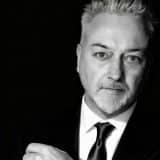
Werner Herzog, the legendary German filmmaker behind 60+ films spanning five decades, declined his invitation to the 2026 Cannes Film Festival on May 9, 2026. His newest film, “Bucking Fastard,” was offered a place in the festival’s official selection but excluded from the prestigious competition section—a distinction Herzog deemed unacceptable for a feature film of his stature.
🔥 Quick Facts
- Herzog declined Cannes on May 9, 2026 after being denied a competition slot
- “Bucking Fastard” stars Kate Mara, Rooney Mara, Orlando Bloom, and Domhnall Gleeson
- The film is based on true events involving English twin sisters Freda and Greta Chaplin
- Herzog has won four Cannes awards and created footage on all seven continents
- Cannes 2026 official lineup was announced April 9, 2026, including films from Ryusuke Hamaguchi, Asghar Farhadi, and Paweł Pawlikowski
The Cannes Hierarchy and Competition Prestige
The Cannes Film Festival operates through a tiered structure that matters profoundly to filmmakers’ careers. The competition section represents the highest honor—where films compete for the Palme d’Or and international critical attention. Meanwhile, “Out of Competition” and “Premiere” sections, though prestigious, carry less competitive weight and award potential.
Herzog’s position is rooted in historical precedent. With four previous Cannes awards and decades of groundbreaking work, he has established expectations appropriate to the festival’s top tier. Being relegated to a non-competition slot represented, in his view, a step backward that didn’t align with his film’s artistic ambitions or his legacy as a pioneering filmmaker.
“Bucking Fastard” and Herzog’s Latest Vision
“Bucking Fastard” marks Herzog’s venture into English-language narrative cinema with an ensemble cast spanning multiple Hollywood generations. The film draws from the remarkable true story of twins Freda and Greta Chaplin, English sisters who gained notoriety in the 1980s after a legal dispute involving shared romantic involvement with a single man. The peculiar title references a synchronized verbal slip—a “freudian slip”—that occurred during their court testimony.
The film reunites the real-life sisters Kate and Rooney Mara on screen for the first time, supported by Orlando Bloom and Domhnall Gleeson. Herzog’s approach to the material emphasizes psychological depth and character synchronization, extending themes of human behavior and moral ambiguity that have defined his documentary and narrative work since the 1960s.
The 2026 Cannes Landscape: Proven Directors in Competition
The 79th Cannes Film Festival (May 12-23, 2026) assembled a competitive lineup dominated by award-winning international directors. The official competition includes works from Ryusuke Hamaguchi (“Fallen Angels” prestige), Asghar Farhadi (two-time Golden Palm winner), Paweł Pawlikowski (Palme d’Or laureate), Na Hong-jin, Cristian Mungiu, and Ira Sachs—collectively representing decades of festival recognition and critical validation.
The festival announced its selection during a period when leading voices like Cate Blanchett examined the festival’s broader industry dynamics, offering insight into how institutions balance heritage with evolution. This context underscores why Herzog’s position held particular significance—his refusal was as much about challenging curatorial decisions as about his film’s placement.
Herzog’s Artistic Autonomy and Festival Politics
Herzog’s career demonstrates a consistent pattern of artistic independence. Since founding his own production company in 1963 at age 21, he has pursued distinctive visions regardless of commercial appeal or institutional approval. He remains the only director to have shot feature films on all seven continents, and his work spans documentary investigations, philosophical narratives, and genre experiments.
His May 9 decision reflects this autonomy. Rather than accept a “secondary” position at cinema’s most visible stage, he withdrew entirely. This calculated move preserves his negotiating position for future appearances while signaling to festival organizers that established auteurs require commensurate recognition. For “Bucking Fastard,” it opens alternative premiere pathways—prestigious festivals like Venice, Berlin, or Toronto might welcome a Herzog competition title.
What This Means for Filmmaking and Festival Culture
Herzog’s withdrawal illuminates ongoing tensions in festival hierarchies. Streaming platforms and prestige television have fractured traditional definitions of theatrical prestige, yet Cannes remains paramount for international auteur cinema. When a filmmaker of Herzog’s stature rejects an invitation, questions emerge about curator accessibility and whether rigid selection tiers serve contemporary cinema.
The decision also reflects broader industry shifts. The competition between festivals has intensified as streaming platforms fund major productions and filmmakers gain leverage through alternative distribution models. A non-competing film that finds critical acclaim through streaming or independent release can outflank traditionally stratified festival hierarchies.
Where Does “Bucking Fastard” Go From Here?
Herzog’s next steps remain unconfirmed as of late May 2026. The film could pursue world premiere status at a competing festival, undergo theatrical distribution independent of festival validation, or find alternative venues that better reflect its artistic positioning. What remains certain is that “Bucking Fastard” will reach audiences eventually, likely with amplified attention precisely because its filmmaker refused compromise on presentation terms.
This narrative—established auteur declining institutional placement to preserve artistic autonomy—carries resonance beyond festival politics. It demonstrates that even in an industry structured around prestige hierarchies, individual creators retain agency to redefine their own terms of success. Whether this proves strategically advantageous or a pointed but costly statement will become clearer as the film’s eventual premiere unfolds.
Sources
- Variety — Exclusive reporting on Herzog’s Cannes decline, May 9, 2026
- Festival de Cannes Official — 2026 official selection lineup and competition roster
- IMDb & Wikipedia — Film details, cast, and plot synopsis
- World of Reel — Analysis of competition selection criteria and Herzog’s positioning
- Awards Radar — Industry interpretation of declining non-competition slots