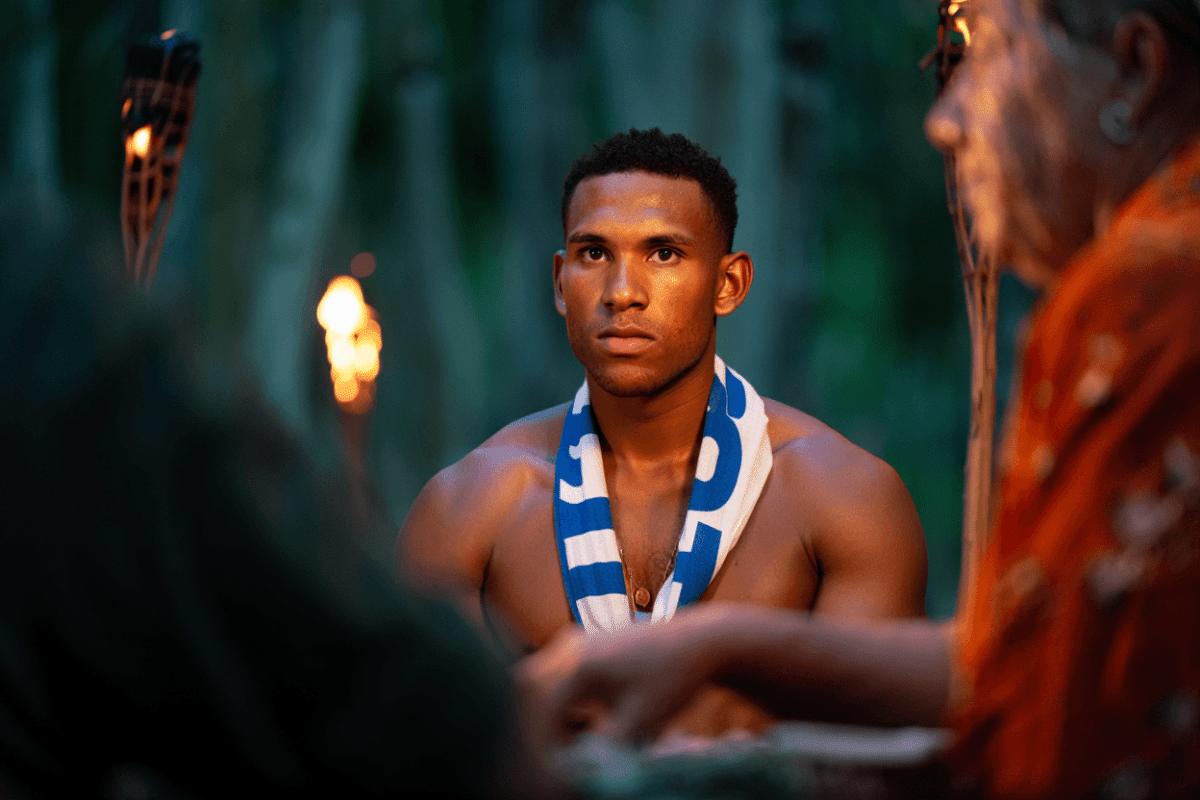
Jonathan Young finished as runner-up in Survivor 50 with 3 jury votes, falling short of Aubry Bracco’s 8-vote victory in a 8-3 final tally announced at the live finale in Los Angeles. Despite winning 9 individual and team challenges—more than any other finalist—and controlling key tribal councils throughout the 26-day competition, Young’s dominance in physical competitions could not overcome jury management concerns that favored Bracco’s resilient comeback narrative.
🔥 Quick Facts
- Final Vote: 8-3-0 in favor of Aubry Bracco over Jonathan Young and Joe Hunter
- Challenge Record: Jonathan led with 9 wins, the highest among all three finalists
- Days Lasted: 25 of 26 days (eliminated only at final tribal council vote)
- Jury Size: 11 jurors voted in the finale, held at a live event in Los Angeles on May 20, 2026
- Prize Split: Aubry won $2 million; Jonathan received $100,000 as runner-up
The Statistical Paradox: Dominance Without Victory
Jonathan Young’s Survivor 50 résumé demonstrates one of the season’s most compelling contradictions. As a returning player from Survivor 42, Young brought elite athletic credentials and strategic acumen. His 9 challenge victories—accumulated across both individual immunity and tribe challenges—exceeded his final-two opponent by a significant margin.
Yet challenge dominance has historically proven insufficient at final tribal council. Physical threat perception often becomes a liability when jury members evaluate whether a player outplayed, outwitted, and outlasted others. Young’s challenge wins guaranteed him safety in individual immunity challenges, controlling 3 of the final 5 immunity competitions, but they could not protect his jury management standing. According to post-show interviews, jurors felt his strong challenge performance overshadowed relationship-building.
Aubry Bracco’s Underdog Narrative and the Role of Return Player Status
Aubry Bracco’s victory represents a remarkable third trip to final tribal council—a four-time returning player who previously finished as runner-up in Survivor: Kaoh Rong (Season 32). Her path to the $2 million prize was constructed on the foundation of repeated near-misses and the underdog framework that resonates with modern Survivor juries.
The consensus among jurors shifted toward Bracco’s narrative that she had “come from behind” against stronger physical competitors. In exit interviews released post-finale, jurors emphasized that Bracco’s strategic flexibility—her ability to navigate opposing alliances without being perceived as a strategic tyranny—gave her an edge. Young, by contrast, was cited as having played “a more visible game of power,” which jury member analysis suggests created targets on his back despite his strategic competence.
Voting Breakdown and Strategic Implications
The 8-3 vote margin revealed a clear jury consensus favoring Bracco. Out of 11 available jurors, Bracco secured 8 votes, Young earned 3 votes, and third-place finisher Joe Hunter received zero votes—a rare outcome that underscores the binary nature of the final vote. Strategic analyst breakdown from post-show coverage cited jury questions at final tribal council where Young’s game was critiqued for controlling votes without demonstrating connection to those he’d voted out.
The clean 8-vote majority without a split decision indicates strong jury alignment rather than close deliberation. In prior Survivor seasons with competitive finals, jury splits of 5-4 or 6-3-1 are more common; an 8-3 margin suggests a decisive preference emerged during tribal council questioning and jury discussion before voting.
Final Vote Summary
| Finalist | Jury Votes | Placement | Prize |
| Aubry Bracco | 8 | Winner | $2,000,000 |
| Jonathan Young | 3 | Runner-Up | $100,000 |
| Joe Hunter | 0 | 3rd Place | $50,000 |
“I’ll play as many times Mr. Jeff calls.”
— Jonathan Young, explaining his openness to returning again despite the loss, in post-show interviews
What the Loss Reveals About Jury Dynamics in Modern Survivor
Young’s runner-up finish illustrates a fundamental shift in how contemporary Survivor juries evaluate finalist gameplay. The “social threat” concept—dating back to earlier franchise seasons—has evolved into a more nuanced framework where jury members weigh relationship authenticity against strategic visibility.
In confession, Young acknowledged that his strong challenge performance created a paradox: visible dominance without perceived strategic connection. By contrast, Bracco’s narrative of persistence—having lost twice before and returning for a fourth Survivor experience—resonated as “authenticity under pressure.” Jury analysis suggested that Bracco was seen as playing with vulnerability, whereas Young was perceived as playing with control.
This dynamic reflects Survivor’s evolution toward rewarding emotional intelligence and demonstrated social bonds over pure strategic machinations. Young’s challenge dominance gave him longevity and safety, but it did not translate into jury votes—a notable divergence from earlier franchise seasons where immunity challenge pedigree carried more weight.
What Comes Next for Jonathan Young and Survivor Precedent?
With multiple return opportunities historically available to competitive players like Young, his post-game comments signal openness to a third Survivor experience. The two-time player-to-winner conversion rate in Survivor history remains low—only 20-25% of two-time players have won their subsequent appearances—making Young’s path more challenging if called again.
Aubry Bracco’s victory, however, breaks the mold: she became only the third woman to win in the show’s modern era after returning multiple times, and her four-appearance commitment demonstrates the resilience that ultimately persuaded the jury. For Young, the narrative arc suggests that challenge prowess alone insufficient for jury persuasion in contemporary Survivor casting and gameplay philosophy.
The May 20, 2026 finale will likely be studied by both future contestants and producers as a case study in how returning players navigate the tension between visible dominance and jury connection.
Could Jonathan Have Won a Different Final Three?
Strategic hypotheticals emerge from the 8-3 verdict. Would Young have won against different opponents? Joe Hunter’s zero-vote finish indicates that the jury’s binary choice favored Bracco on almost every dimension. Survivor analysts suggest that Young’s path to victory narrowed once he failed to eliminate Bracco at Final Four, despite winning the crucial immunity challenge. The fire-making showdown between Bracco and Hunter resulted in Bracco’s elimination of Hunter, eliminating a potential “goat” finalist who might have split votes.
In this sense, Young’s challenge win at Final Four may have indirectly cost him the game: his automatic advancement to the final three forced him to compete against Bracco, whereas a different final three composition—such as Young, Hunter, and a weaker opponent—might have improved his jury standing through comparison.
Sources
- Entertainment Weekly – Post-show exit interviews with Jonathan Young and jury members
- Men’s Journal – Runner-up commentary on jury perception and strategic gameplay
- Survivor Wiki (Fandom) – Official challenge statistics and final vote tallies
- Gold Derby – Finale recap and jury vote breakdown analysis
- USA Today – Official Survivor 50 season finale results