The Boys series finale ‘Blood and Bone’ dropped on Prime Video May 20, 2026, concluding the eight-episode fifth season with explosive confrontations and a decisive end to the conflict between Butcher and Homelander. The finale resolves five seasons of escalating power struggles and moral compromise, though critical responses reveal sharp divisions over how the series landed its most ambitious conclusion yet.
🔥 Quick Facts
- Episode 8 of Season 5 marks the official series finale after five seasons
- Released May 20, 2026 on Amazon Prime Video with extended runtime
- Major character deaths include Frenchie, who died protecting Kimiko in episode 7
- Survivors include Hughie, Annie, Kimiko, and Mother’s Milk in epilogue scenes
- Critical reception mixed: IGN: 8/10, IMDB: 6.8/10 from thousands of viewers
The Aftermath of Frenchie’s Sacrifice
‘Blood and Bone’ opens by confronting the emotional wreckage from the previous episode. Frenchie’s death in episode 7—a final act of defiance against Homelander to protect Kimiko—sets the emotional tone for the finale. The episode dedicates several scenes exploring how the team processes this devastating loss, particularly examining Kimiko’s grief and rage heading into the final confrontation.
This narrative choice prioritizes character depth over spectacle in the opening act, a hallmark of the series’ evolution from the source material. Unlike the graphic novels’ approach, the show builds its climax through emotional devastation rather than shock value alone, forcing viewers to witness how trauma and loss reshape survivors’ determination for the final battle.
The Butcher-Homelander Confrontation
Billy Butcher and Homelander finally meet in direct combat for the series’ defining moment. Their conflict represents the thematic core of five seasons: ordinary human determination against seemingly omnipotent power. The finale explores what separation expert analysis reveals about the boys’ ultimate personal reckonings with authority figures who wield absolute control.
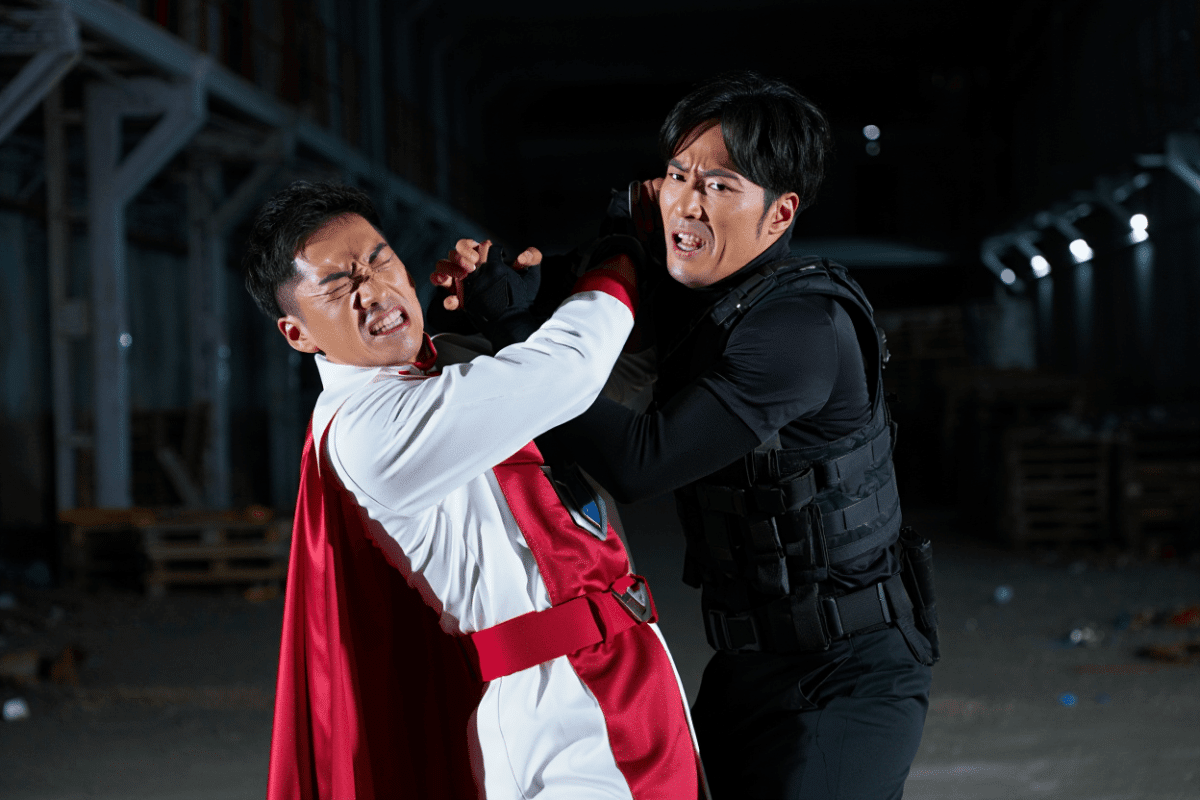
The fight sequence itself balances brutality with emotional stakes. Homelander’s descent into genuine madness becomes apparent—not theatrical villainy but psychological fracture. Butcher fights not for victory but for elimination, carrying weeks of accumulated trauma and toxicity from the compound they created to level the playing field. The choreography emphasizes desperation over heroism.
Pivotal Character Fates and Resolution Arc
The episode methodically resolves multiple narrative threads established across five seasons:
| Character | Final Fate | Outcome Type |
| Billy Butcher | Fatal injuries sustained during final battle | Tragic ending |
| Homelander | Defeated and permanently removed from power | Climactic defeat |
| Hughie Campbell | Survives, returns to civilian life | Full recovery |
| Annie January | Survives, rebuilds with Hughie | Redemptive arc |
| Kimiko | Reconnects with humanity in Paris epilogue | Peaceful resolution |
| Mother’s Milk | Reconciles with ex-wife Monique | Personal healing |
The epilogue sequence diverges dramatically from typical superhero finale conventions. Rather than "happily ever after" resolutions, the show presents survival as its own reward. Kimiko finds quiet peace in a Marseilles cafe—a direct contrast to her violent journey. Mother’s Milk remarries Monique in a ceremony that emphasizes forgiveness and family rebuilding over triumphalism. These moments carry genuine emotional weight precisely because they avoid grandiose closure.
Thematic Resolution: Power, Corruption, and Legacy
Five seasons of The Boys interrogate how absolute power corrupts absolutely, and ‘Blood and Bone’ completes this thesis without offering easy redemption. The series consistently maintained that superheroes—positioned as infallible heroes by corporate marketing—are fundamentally flawed humans with devastating capabilities. Homelander embodies this worst-case scenario: supreme power wielded by someone with psychological instability and childhood trauma.
Butcher’s arc reaches tragic completion. He began as revenge-driven vigilante and evolved into someone trying to protect humanity from supe corruption. His final sacrifice demonstrates that sometimes dismantling broken systems requires personal destruction. The show refuses to celebrate this outcome, treating Butcher’s death as unambiguous loss, not heroic martyrdom.
The finale also addresses gender representation and agency. Unlike many superhero narratives where female characters exist to motivate male heroes, Annie and Kimiko drive their own conclusions. Annie‘s transformation from corporate asset to genuine resistance fighter completes a five-season character study. Kimiko’s survival and reconnection with humanity after trauma offers counterweight to Frenchie’s sacrifice—emphasizing that recovery is possible even after unimaginable violence.
Balancing Criticism and Audience Reception
Critical reception splintered sharply. IGN’s 8/10 review praised the finale for "landing the things that matter most" while acknowledging rushed elements in specific character resolutions. IMDB’s 6.8/10 from over 38,000 user ratings reveals substantial audience division—some praised narrative completion, others felt compressed pacing in the final season diminished emotional payoff.
Specific criticisms centered on compression: five seasons of escalating conflict resolved in eight total episodes of season 5. Some fans argued the female characters’ saving the day (a consistent series theme) felt narratively earned; others wanted more explicit confrontation between specific rivals. Vulture’s scathing review suggested the finale represented "poor choices dating back to season three," implying structural problems with late-season plotting.
However, defenders noted the finale committed to thematic consistency. The show never promised cathartic victory or perfect justice. The Boys always positioned resistance against systemic corruption as exhausting, morally ambiguous work requiring personal sacrifice.
Where Does The Boys Leave Its Cinematic Universe?
The Boys as a franchise extends beyond the main series. Gen V (the college-focused spinoff) continues developing within the same universe, and The Boys: The Amusement Park animated special is in development. The finale subtly leaves room for these parallel narratives without requiring connection to Butcher’s story.
‘Blood and Bone’ definitively concludes Butcher’s arc and Homelander’s threat while establishing that supe-related conflicts will persist. The institutional corruption enabling superhero dominance wasn’t solved by eliminating individual bad actors—it was structurally challenged but never fully dismantled. This creates space for spinoff narratives without retconning the finale’s impact.
Sources
- IGN – Series finale review with technical analysis and comparative scoring
- IMDB – User ratings and community response aggregation (38,695+ reviews)
- Vulture – Critical analysis of season 5 narrative structure and pacing decisions
- People.com – Character death explanations and survival confirmations
- Variety – Actor interviews regarding final season character arcs
- DiscussingFilm – Detailed ending explanation with thematic analysis
- The Boys Fandom Wiki – Episode details and official release information