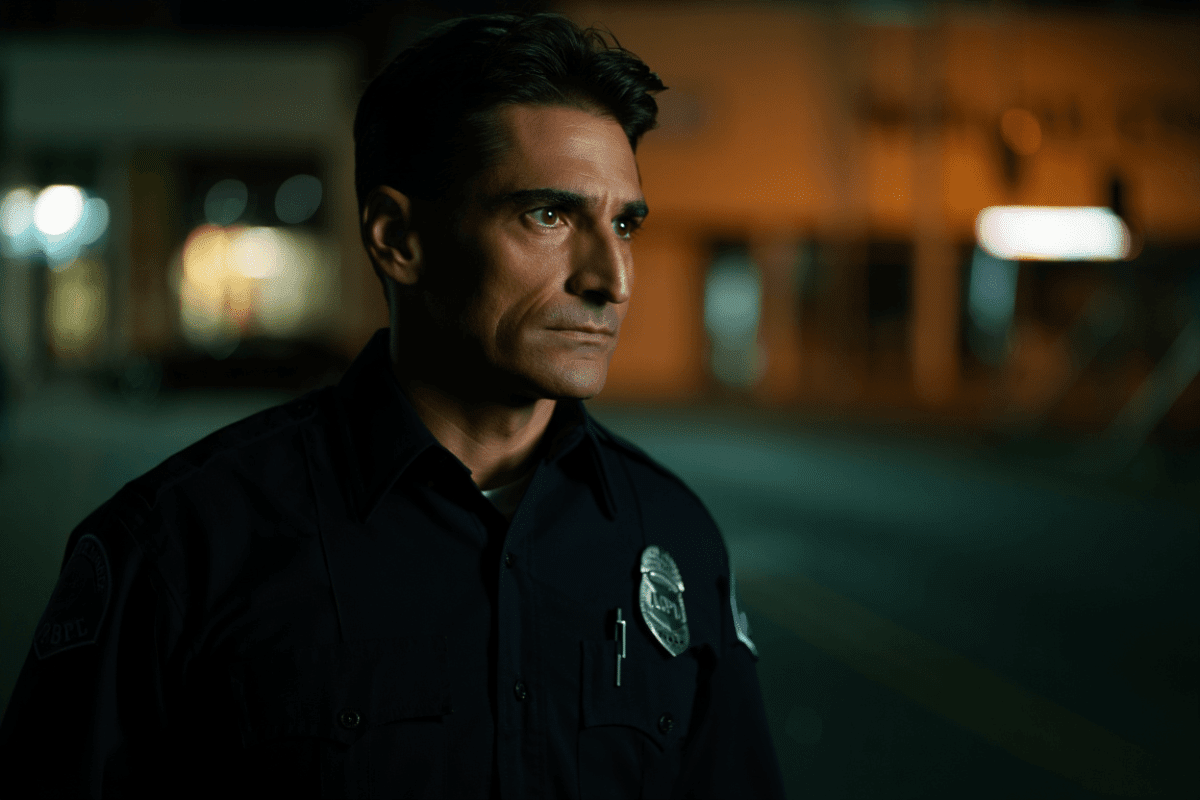
Training Day still resonates in 2026, a quarter-century after Denzel Washington earned the Academy Award for Best Actor for his electrifying performance as corrupt detective Alonzo Harris. The 2001 crime thriller, directed by Antoine Fuqua and written by David Ayer, grossed $104.9 million worldwide against a $45 million budget—establishing itself as both a commercial triumph and a definitive work that reshaped modern crime cinema.
🔥 Quick Facts
- Released October 5, 2001, Training Day set over a single Los Angeles day in the LAPD narcotics division
- Won Best Actor Oscar on March 24, 2002, making Washington only the second Black male actor to win in that category
- Grossed $76.6 million domestically and $104.9 million globally, delivering a 2.3x return on production budget
- Received 2 Oscar nominations: Washington won Best Actor; Ethan Hawke earned a Best Supporting Actor nomination
The Foundation: A Story of Moral Corruption in Los Angeles Streets
Training Day follows rookie detective Jake Hoyt (played by Ethan Hawke) through a 24-hour period as he shadows veteran narcotics officer Alonzo Harris. The film presents an unflinching examination of police brutality, systemic corruption, and the moral compromise that occurs when law enforcement operates outside legal boundaries. Washington’s portrayal transcends typical villain archetypes—Harris is intelligent, charismatic, and justified within his own logic, making the character far more complex than surface-level villainy.
Director Antoine Fuqua transforms Los Angeles itself into a character: the South Central streets, downtown corridors, and airport sequences become stage sets where justice and corruption collide. The script by David Ayer demands audience engagement with uncomfortable moral questions about what “cleaning up the streets” actually requires. This depth distinguishes Training Day from standard police procedurals.
The Performance That Won an Oscar: Washington’s Dual Nature
Washington’s Oscar-winning role represents a significant career pivot. While he had earned recognition for heroic and sympathetic characters, Alonzo Harris required him to embody pure corruption wrapped in charisma. The actor brings poetry to Harris’s dialogue—the character speaks in measured tones, strategic flattery, and cultural references that expose his intelligence. Washington delivers moments of genuine mentorship mixed with calculated manipulation, creating a character viewers hate yet understand.
This 2002 Academy Award marked Washington’s second Oscar win—his first came for “Glory” (1989) as Best Supporting Actor. The Training Day victory positioned him as a leading dramatic force capable of carrying complex, morally ambiguous material. The 74th Academy Awards ceremony, held March 24, 2002, also featured Halle Berry winning Best Actress, marking a historic moment for Black representation at Hollywood’s highest honors ceremony.
Box Office Achievement and Cultural Impact Data
The financial metrics demonstrate both immediate success and enduring appeal. Examine how Training Day compares to its contemporary period:
| Metric | Training Day | Context |
| Production Budget | $45 million | Mid-range studio thriller investment |
| Domestic Box Office | $76.6 million | Strong performer in competitive 2001 marketplace |
| Worldwide Gross | $104.9 million | 2.3x multiplier on production spend |
| Oscar Nominations | 2 (1 win) | Best Actor (Won), Best Supporting Actor (Nominated) |
| Opening Weekend | $22.5 million | Solid October launch in 2,712 theaters |
The film’s financial success reflected audience hunger for sophisticated crime narratives. Unlike action spectacles, Training Day succeeded on character, dialogue, and moral ambiguity—elements that demanded script quality and acting capability. This proved the viability of downbeat, police corruption narratives as mainstream commercial vehicles.
“Training Day is an equal-opportunity police brutality picture, depicting a modern Los Angeles in which the Black cop is slimier and more corrupt than anybody ever thought the white cops were.”
— Roger Ebert, Film Critic, describing the film’s refusal to sanitize its portrayal of systemic corruption
Influence on Crime Cinema and Police Procedural Television
Training Day reshaped expectations for crime narratives. The film’s influence ripples through subsequent works: it established the template for morally compromised protagonists, demonstrated that audiences would engage with protagonists who betray audience expectations, and showed that Los Angeles street-level crime could serve as subject matter for serious dramatic cinema. Later series like The Shield (which premiered the year after Training Day’s release) adopted its perspective on police corruption as operational reality rather than aberration.
The one-day timeline structure created by writer David Ayer influenced subsequent thrillers focused on concentrated timeframes. Films such as Sicario (2015) and End of Watch (2012) adopted similar approaches to exploring ethical compromise within law enforcement contexts. The film proved that crime dramas could achieve both critical validation and commercial success without relying on blockbuster franchises or star power alone.
Why Training Day Endures 25 Years Later
The film’s staying power stems from several factors. First, its exploration of systemic corruption remains perpetually relevant—questions about police accountability, community relations, and the boundary between justice and revenge persist in 2026. Second, Washington’s performance stands as a masterclass in how charisma can mask moral corruption. Third, the film refuses easy answers: viewers leave uncertain whether Hoyt’s choice at the film’s conclusion represents triumph or tragedy. This ambiguity encourages repeated viewing and interpretation.
Streaming platforms have extended Training Day’s reach beyond theatrical audiences. The film appears consistently on critics’ lists of best crime films, often ranking among top 5 entries from the 2000s decade. Academic analysis of police representation in film frequently references it. The 2002 Oscar recognition ensures Training Day remains part of cinema history lessons taught to new generations of actors and filmmakers.
What Will Training Day’s Legacy Mean for Modern Crime Storytelling?
As crime narratives evolve in 2026, Training Day’s template remains influential. The film demonstrated that audiences engage intellectually with morally complex material when executed with craft and ambition. Future crime stories that examine systemic issues, institutional corruption, and the costs of street-level enforcement continue following pathways established by Training Day. The question for contemporary storytellers: can they match its balance of urban authenticity, character complexity, and formal technique?