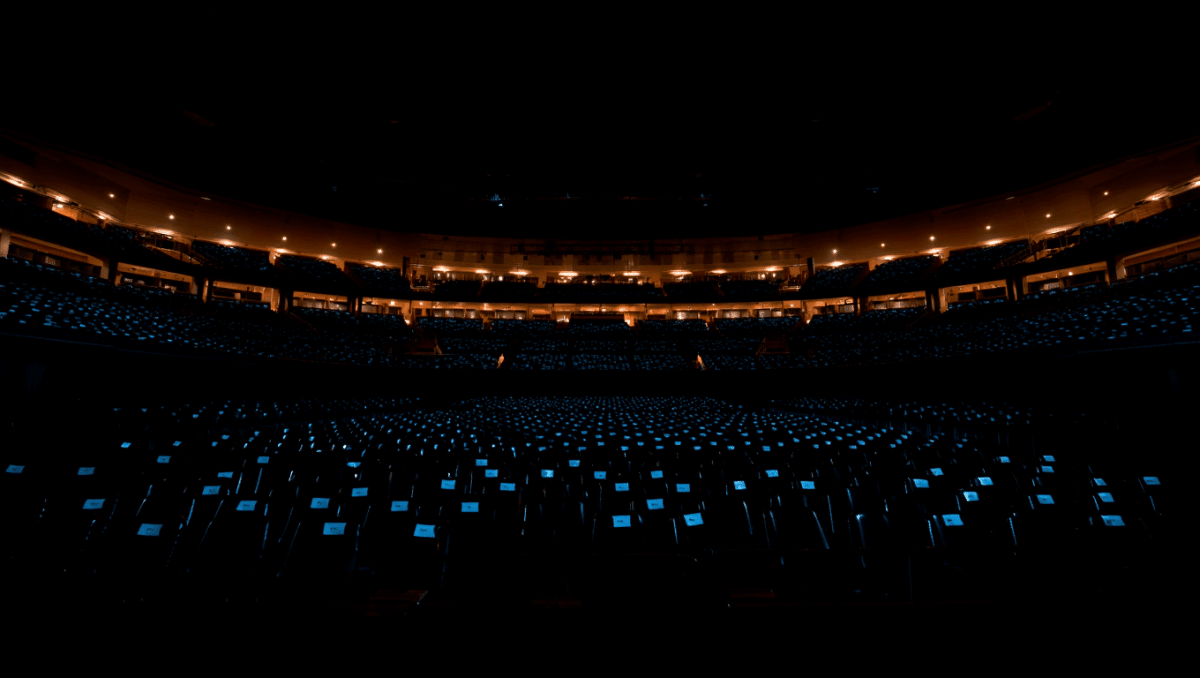
Blue Dot Fever is sweeping the music industry, forcing major artists to cancel tours. The phenomenon takes its name from the sea of blue dots representing unsold seats on Ticketmaster‘s venue maps. This crisis reveals a deeper problem in live music pricing that fans can no longer ignore.
🔥 Quick Facts
- Average Ticket Price: Concert tickets now average $132, a 38% increase since 2019
- Artists Affected: Post Malone, Meghan Trainor, Zayn Malik, Pussycat Dolls, Jelly Roll have all canceled dates
- Term Origin: Blue dots indicate unsold Ticketmaster seats on venue maps
- Real Impact: Weak ticket sales are forcing complete tour cancellations and pulling the plug on major reunions
What Exactly Is Blue Dot Fever?
Blue Dot Fever describes the phenomenon visible on Ticketmaster‘s seating charts. When fans browse for tickets, they see a sea of blue dots across the venue map. These dots represent available seats that remain unsold. The more dots, the weaker the ticket sales. For touring musicians, those blue dots signal impending financial disaster. A show filled with blue dots means empty seats and lost revenue.
The trend started appearing in late April 2026 when major artists began announcing tour cancellations. Post Malone and Jelly Roll canceled one-third of their co-headlining stadium tour. Meghan Trainor and Zayn Malik both scrapped their entire US arena tours. The Pussycat Dolls called off their North American reunion after weak presales. Each cancellation pointed to the same issue: unsold tickets and blue dots.
How High Ticket Prices Triggered the Crisis
The root cause is staggering ticket inflation that has priced out ordinary fans. Ticket prices jumped from an average of $96 in 2019 to $132 today. That’s a 38% increase in just seven years, nearly double the overall inflation rate. Many fans simply cannot afford $200 to $1,000 per ticket for stadium shows and arena dates.
Dynamic pricing algorithms, scalping, and ticket consolidation have made the problem worse. Ticketmaster uses surge pricing similar to ride-sharing apps, raising prices when demand spikes. Secondary market resellers add another markup. Meanwhile, venue consolidation means fewer options for fans to find affordable shows. The result is a perfect storm: higher prices, fewer buyers, and entire tours at risk.
| Factor | Impact on Demand |
| Average Ticket Price | $132 per seat (38% higher than 2019) |
| Dynamic Pricing | Prices surge when demand rises, pushing out budget fans |
| Secondary Market Fees | Reseller markups add 50-200% to base prices |
| Venue Consolidation | Fewer promoters mean less price competition |
“The troubling trend is tied to high concert ticket prices, more than $132 on average, marking a 38% increase since 2019. That price increase is almost double the overall inflation rate over the same period.”
— CBS Mornings, Major Broadcast Network
Which Major Artists Have Canceled Tours?
Post Malone and Jelly Roll made headlines by canceling approximately thirty percent of their joint North American stadium tour. Meghan Trainor withdrew from all remaining US arena dates, making her cancellation the most dramatic. Zayn Malik similarly pulled the plug on his American tour. The Pussycat Dolls, reuniting after years apart, scrapped their entire North American leg while European shows proceeded as planned.
Each artist cited weak ticket sales and audience reluctance to pay premium prices. Industry insiders note these cancellations represent a reality check for the music business. Artists had become overconfident about pricing power. Many believed the pandemic-era boom in touring would last indefinitely. Instead, fans have set a ceiling. When tickets cost more than $200 to $500 per person, entire tours become economically unsustainable.
What Does This Mean for the Future of Live Music?
Industry experts predict Blue Dot Fever will force permanent changes to concert economics. Pricing power has shifted back to fans who vote with their wallets. Promoters and artists may need to lower prices to fill venues. Ticketmaster faces increasing pressure to address dynamic pricing and service fees, which can inflate final prices beyond reason.
Some touring musicians like Andy Frasco have publicly discussed the ripple effect across the industry. Smaller mid-tier artists struggle first because fans prioritize fewer, must-see shows at premium prices. Festival lineups and regional tours face the biggest pressure. Going forward, expect more realistic pricing, smaller venue strategies, and increased accountability to audiences seeking affordable live music experiences that don’t cost a fortune.
Interestingly, some charts showed that certain artists with lower-priced tickets still attracted strong demand. Bruce Springsteen tours sell out at reasonable prices. The Cure famously refused dynamic pricing. This suggests the market has room for artists willing to price fairly and respect fan loyalty. Will others follow suit?
Sources
- CBS Mornings – Feature on Blue Dot Fever impact across music industry
- Fortune Magazine – Investigation documenting artist tour cancellations and ticket sales data
- The Week – Analysis of concert industry pricing crisis and unsold seating phenomenon