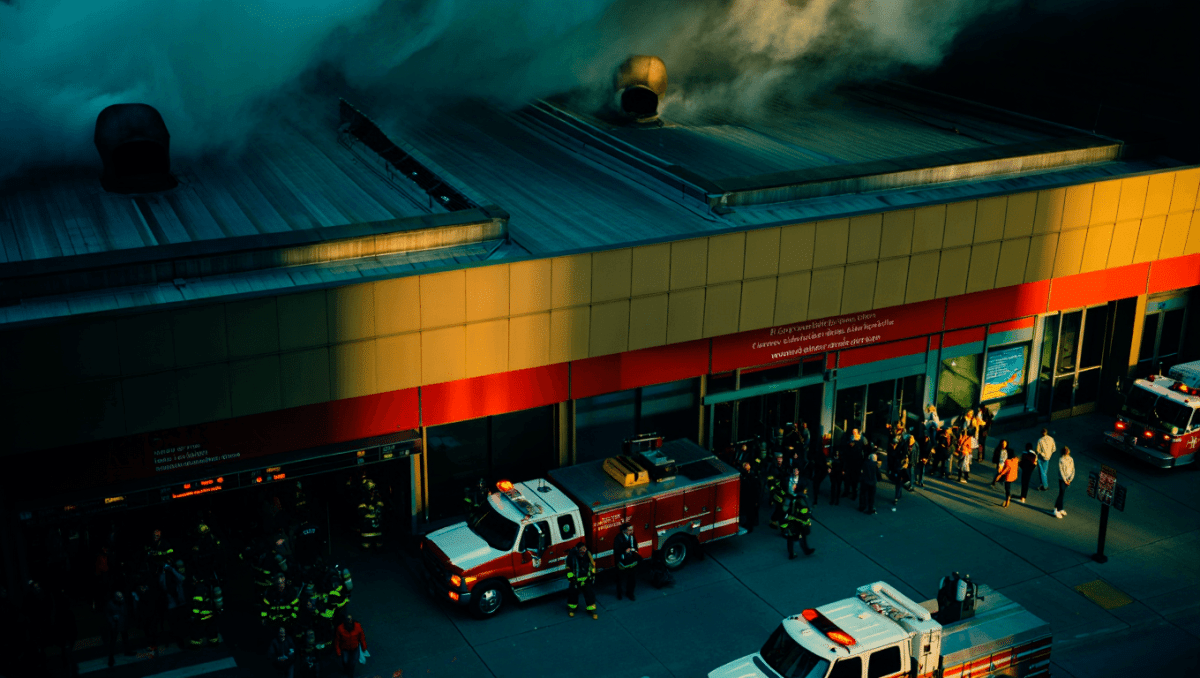
Penn Station NYC grounds to a halt as electrical fire erupts in critical tunnels. The two-alarm blaze in the East River Tunnels forced mass diversions of LIRR and Amtrak trains. Thousands face delays as responders battle the flames.
🔥 Quick Facts
- Time: Fire reported mid-morning on May 14, 2026, around 12:30 PM ET
- Location: East River Tunnels beneath Penn Station, serving commuter rail lines
- Services Affected: LIRR trains rerouted from Penn Station to Grand Central Terminal
- Status: Two-alarm fire with ongoing smoke conditions and service suspensions
Electrical Fire Ignites Chaos in Manhattan
An electrical fire erupted in the critical infrastructure beneath Penn Station NYC on Wednesday morning. The two-alarm blaze broke out in the East River Tunnels, the vital conduit connecting the station to Long Island Rail Road lines. FDNY firefighters responded immediately to the dangerous feeder cable fire.
The incident triggered smoke that spread into Penn Station’s main terminal. While injuries have not been reported, the disruption created massive bottlenecks. Commuters faced the worst travel delays in months as emergency crews worked to contain the flames and assess structural damage.
LIRR Rerouted, Full Service Suspended
Long Island Rail Road operations ground to a halt as officials diverted all westbound passengers to Grand Central Terminal. This unprecedented rerouting affected Babylon Line and Huntington Line trains. By noon, all service between Penn Station and Jamaica was completely suspended.
LIRR officials warned passengers of major delays and cancellations throughout the afternoon. The feeder cable fire at the root of the crisis knocked out critical electrical systems. Backup power restoration remained uncertain as crews worked beneath the tracks.
Impact Timeline and Service Status
| Time (ET) | Status |
| ~10:30 AM | Fire reported in East River Tunnels |
| ~11:00 AM | FDNY arrives, two-alarm response activated |
| ~12:00 PM | All LIRR service suspended, rerouting begins |
| ~12:30 PM | Smoke enters main terminal, service frozen |
According to MTA officials, ongoing fire activity persisted around noon. Amtrak Northeast Regional and Northeast Direct services also faced impacts as the electrical systems powered multiple rail operators. The feeder cable fire proved more damaging than initially feared.
Amtrak Service Disrupted Alongside LIRR
Amtrak service suffered collateral damage from the Penn Station electrical fire. Multiple train routes experienced delays and cancellations. The Northeast Corridor, which connects major cities from Boston to Washington D.C., experienced operational ripples.
NJ Transit buses and other rail services stood ready to absorb stranded passengers. Emergency announcements blared throughout Moynihan Train Hall and Penn Station directing riders to alternative routes. The two-alarm fire tested infrastructure redundancies that were stretched to their limits.
What Happens When Penn Station Electrical Systems Fail?
The May 14 incident exposed vulnerabilities in Penn Station NYC’s aging infrastructure. Electrical fires in tunnels beneath iconic terminals pose unique dangers. The East River Tunnels, built to carry heavy currents powering suburban commuter rail, aged over decades with minimal upgrades.
Experts warned that rebuilding Penn Station requires modernizing electrical systems to prevent future feeder cable fires. The station’s location beneath Madison Square Garden complicates emergency access and repairs. MTA leadership faces mounting pressure to accelerate infrastructure improvements before another electrical fire strikes.
Sources
- PIX11 – Breaking coverage of electrical fire at Penn Station disrupting LIRR and Amtrak service
- New York Daily News – Real-time updates on fire in East River Tunnel causing train diversions
- CBS New York – Reports on LIRR delays, cancellations, and fire department response