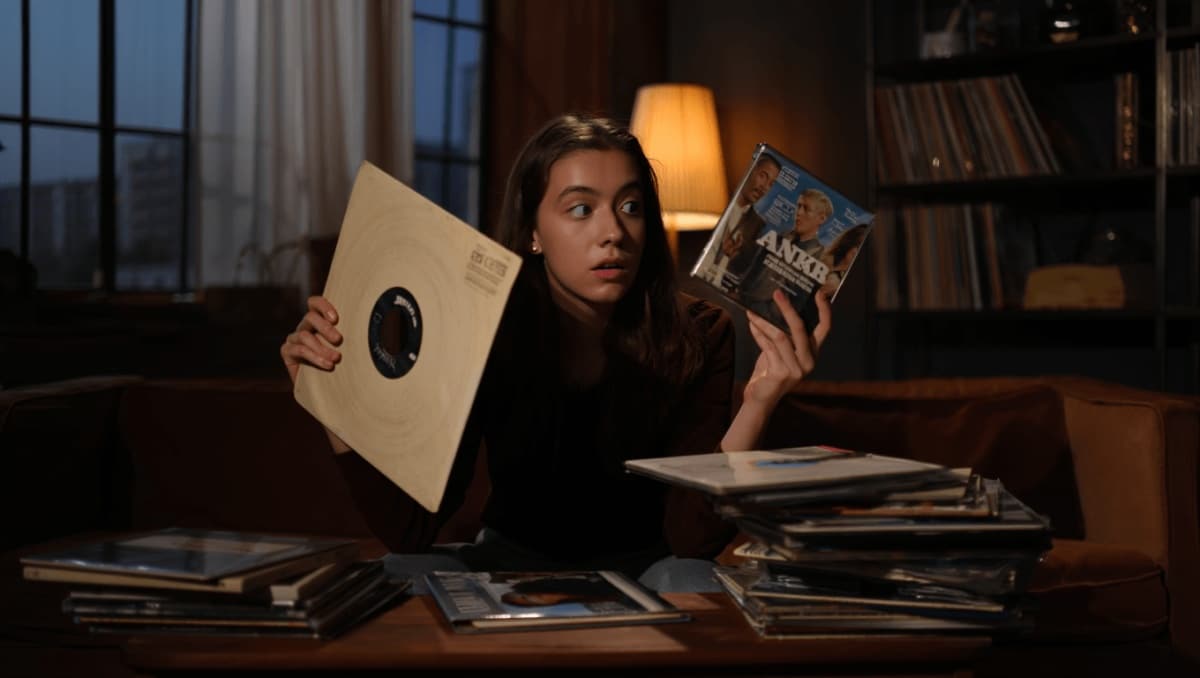
A growing DIY trend turns listening sessions into a full-day cinematic experiment: spend each hour with a different album, then match it to a movie that extends or reframes the music’s mood. The result is a portable, low-cost festival that can refresh your entertainment routine and surface unexpected connections between sound and screen.
Why this matters now
As streaming libraries swell and attention fragments, curated rituals help listeners and viewers rediscover art. An “album-per-hour” approach is simple to set up, encourages deep listening, and translates naturally into shareable social formats — which is why creators and small publishers are testing it as a way to boost discovery for underheard music and indie films.
How to run an album-every-hour session
Set a timeframe you can realistically keep — a morning, an afternoon, or a full waking day. Pick eight to twelve albums with varied lengths and moods so you won’t be scrambling when the hour ends. For each album, choose a film that either complements or contrasts its emotional landscape.
Practical steps:
– Choose a start time and a comfortable environment free from heavy interruptions.
– Make a playlist with the selected albums in the order you want to hear them.
– Preselect one movie per album; streamability matters — make sure the film is available on a service you have access to.
– Use a timer or an automation app to mark each hour. When the music stops, switch to your chosen film segment or watch the movie either in full or in curated scenes.
– Note down reactions — short voice memos or a running note document will help you compare how sound changed your perception of the films.
Starter pairings to try
Below are sample pairings meant to show the method, not prescriptions. Swap titles for what you love.
– Ambient, late-night albums — pair with introspective indie dramas.
– Upbeat pop records — try with light comedies or road-trip films.
– Jazz or instrumental works — watch visually driven, dialogue-light films or experimental shorts.
– Concept albums with narrative arcs — pair with movies that share a strong story structure.
What this does for discovery
For listeners: rotating through many albums in a short period increases exposure and can lead to immediate follow-up listening. For filmmakers: being paired with music can introduce a film to an audience that might not encounter it otherwise.
Beyond discovery, there are practical benefits. Short, focused listening sessions make it easier to appreciate production choices, lyrics, and arrangements without the fatigue that comes from marathon streaming. For content creators, documenting a session — clips, screenshots, short essays — makes for easy, native social content.
Risks and considerations
This format isn’t neutral: rapid switching can diminish attention if you try a full day without breaks. Also, be mindful of copyright and platform rules when you share clips. Finally, the emotional intensity of pairing certain music with movies can be strong; pick material you’re prepared to handle.
Tips for sharing and measurement
– Tag artists and filmmakers when you post pairings — many will notice.
– Use short clips or stills rather than long excerpts to stay within fair-use norms and platform limits.
– Track follow-through: did you or your audience add any albums to saved lists or rent a paired film? Those micro-conversions matter for creators.
A quick checklist before you start
– Decide duration and number of albums
– Confirm streaming availability for both albums and films
– Prepare a comfortable, interruption-free space
– Have a way to record reactions (notes, voice memo, or short video)
– Set realistic expectations about attention and breaks
Closing perspective
An hour-per-album ritual is less about rules and more about curiosity: it’s a small structural change that can open up new ways of seeing and hearing familiar work. Whether you use it as a personal experiment, a weekend event with friends, or a content series, the method highlights how deliberate listening and paired viewing can deepen appreciation and create new pathways for creative discovery.