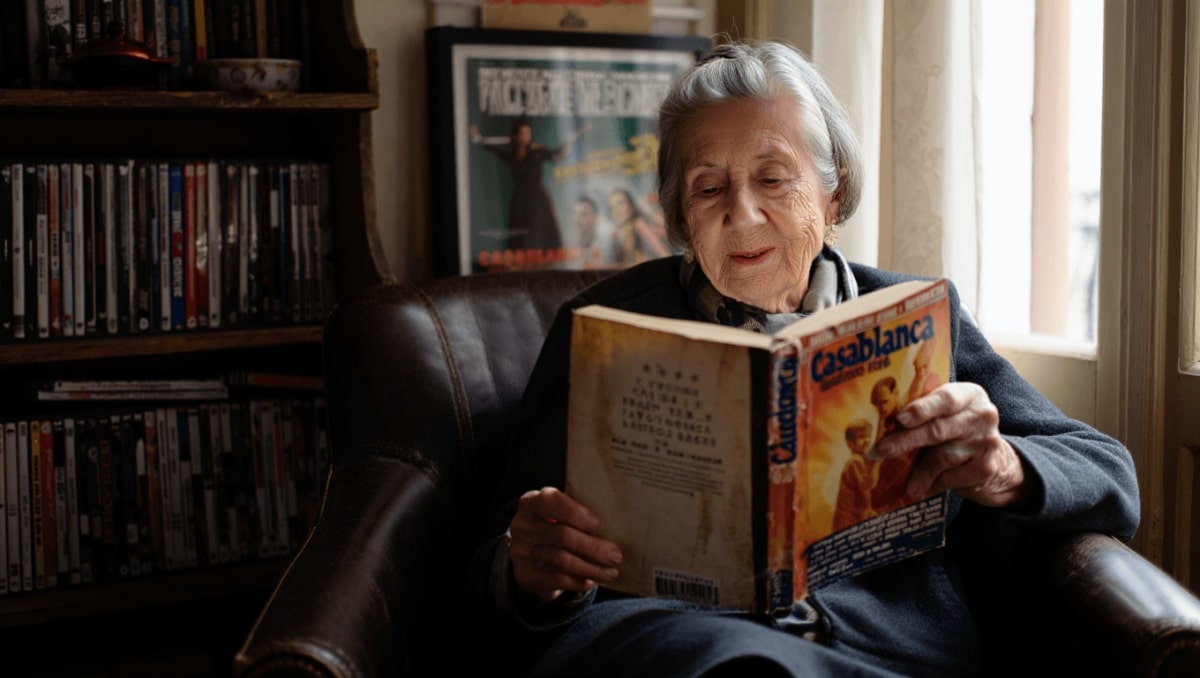
A recent wave of quizzes and social posts has put a spotlight on the final words of older films, revealing how a single closing line can cement a movie in the cultural memory. For many viewers, especially those who grew up with classic cinema, these endings are fast, precise indicators of a film’s identity — and a quick test of generational movie knowledge.
Why a closing line still matters
Final lines do more than signal credits; they often encapsulate a film’s emotional point or twist. A carefully chosen closing sentence can reframe everything that came before, lodge an image in the mind, or deliver an ironic punch that lingers long after the lights come up.
In the streaming age, when viewers can pause, rewind and rewatch, these micro-moments are easier to share and dissect than ever. That makes them powerful not only for fans and critics but for younger audiences discovering older titles for the first time.
Generational differences in cinematic recall
It’s no accident that many older viewers — often labeled as Boomers in cultural conversations — do well on these quote-based quizzes. They typically grew up when fewer channels and theatrical releases made certain films communal touchstones. Repeated theatrical reruns, television broadcasts and family viewing meant those lines were heard and re-heard.
By contrast, younger moviegoers are more likely to encounter classic titles piecemeal on streaming services, in curated collections or via clips on social platforms. Exposure is wider but more fragmented, so memorability becomes uneven.
What this reveals about film literacy
Identifying a closing line is a shortcut to understanding who a film meant to reach and how it was consumed across decades. It also highlights the changing ways we archive and teach cinema: institutions and streaming platforms that spotlight context — director interviews, restorations, annotated editions — help preserve that kind of shared knowledge.
| Famous closing line | Film | Why it sticks |
|---|---|---|
| “After all, tomorrow is another day.” | Gone with the Wind (1939) | Offers a note of resilience that reframes the film’s sweep into personal survival. |
| “Louis, I think this is the beginning of a beautiful friendship.” | Casablanca (1942) | Transforms a farewell into an optimistic promise, and it’s endlessly repeatable. |
| “The stuff that dreams are made of.” | The Maltese Falcon (1941) | An archetypal noir line that reduces mystery to a mythic object. |
| “Well, nobody’s perfect.” | Some Like It Hot (1959) | A final comic twist that undercuts earlier tension and became shorthand for acceptance. |
| “All right, Mr. DeMille — I’m ready for my close-up.” | Sunset Boulevard (1950) | A chilling declaration that merges delusion and fame into an unforgettable image. |
| “Let’s go home.” | The Searchers (1956) | A quiet, ambiguous closure that still sparks debate about character motive and meaning. |
What readers can take away
Recognizing a final line says something about more than memory; it signals a connection to a moment in film history. For casual viewers curious to build that connection, a few practical steps help: watch restored versions when available, read short critical essays or annotations, and favor full-length viewings over clips to absorb tone and context.
For editors and streaming curators, these closing lines are reminders of how presentation shapes legacy. Promoting curated packages around directors, eras or themes can revive the kind of repeated exposure that turned lines into cultural shorthand in the first place.
Whether you ace a quote quiz or are learning these endings for the first time, paying attention to a film’s final words is a small habit that deepens appreciation for how movies craft meaning — one last sentence at a time.