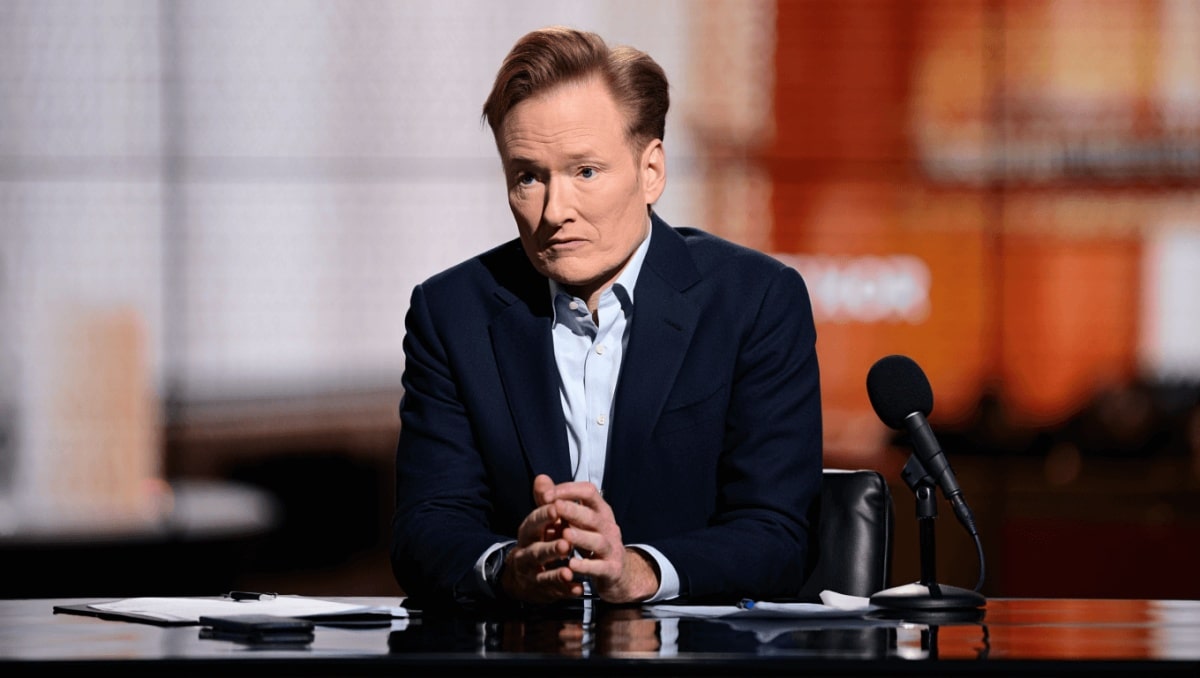
Conan O’Brien recently stirred conversation after offering a pointed warning to fellow comics about leaning too heavily on attacks aimed at Donald Trump. The exchange — captured in a short, widely shared clip — matters now because it highlights how political targeting can shape a comedian’s reach, bookings and online visibility in an increasingly polarized media environment.
O’Brien, a veteran late-night host and stand-up alumnus, made clear he personally dislikes Trump but argued that making him the central target of an act can become a strategic liability. The moment has been picked up across social platforms, prompting debate among performers and audiences about whether political satire risks narrowing a comic’s future opportunities.
Many viewers understood the message as practical career advice rather than a defense of any politician. O’Brien’s point: repeatedly attacking a single figure can make material predictable and limit a performer’s ability to adapt when public attention shifts. That can matter for festival bookers, club owners and streaming algorithms that value variety and sustained engagement.
Why this matters today
– Political content cuts both ways: strong, topical jokes can generate rapid shares — and rapid backlash.
– Comedy circuits are competitive; being pigeonholed reduces versatility and long-term prospects.
– Social platforms amplify short clips, so a routine built around one target can be taken out of context and replayed indefinitely.
Key takeaways from the clip
– Comics who focus relentlessly on a single political figure risk becoming one-note performers.
– Audiences change; what fuels engagement now may feel stale once the news cycle moves on.
– Diversifying material helps comics stay relevant across different venues and viewerships.
A quick reference table
| Point | Potential impact | Practical next steps for comics |
|---|---|---|
| Targeted political jokes | Short-term virality but risk of typecasting | Rotate topics; develop multiple recurring themes |
| Relying on current events | Material dates quickly; may not travel well | Craft broader premises that survive news cycles |
| Social-media clipability | High shareability but low context retention | Balance bite-sized bits with longer-form material for specials |
Industry response has been mixed. Some comedians agreed that variety preserves a career; others argued that steady, pointed political critique is essential art and audience service, especially in volatile times. Entertainment professionals watching the exchange note that the economics of comedy — festival payouts, streaming deals, club bookings — often reward versatility.
Context matters: in an era when a single viral moment can define a performer’s public image, strategic choices about material do more than reflect opinion — they shape livelihoods. Whether one sees O’Brien’s remarks as tactical guidance or a broader comment on political discourse, the conversation underscores a persistent tension for comics: how to be sharp and timely without becoming dependent on a single target.
For readers following the comedy landscape, the clip is a reminder to consider how material translates across platforms and audiences. Performers balancing conviction and craft will likely keep this debate alive as the news cycle — and the business of comedy — continues to evolve.