As streaming platforms reshuffle catalogs and archival projects dig through studio vaults, a surprising number of television programs once considered lost are resurfacing — while others remain stubbornly scarce. This piece explains how to spot truly **ultra-rare TV shows**, why they vanish, and what viewers and researchers can do to track them down.
Why rarity matters now
Availability is changing fast: rights deals expire, physical media degrades, and platforms make selective choices about what to host. For historians, fans and cultural institutions, a missing episode or an obscure series episode can mean a gap in how we understand television history.
At the same time, online communities and digitization projects are more active than ever, turning scarcity into a solvable problem — or at least a documented one. That makes identifying genuinely rare titles useful, not just for nostalgia but for preservation and research.
How to tell if a show is genuinely ultra-rare
Not every obscure title counts as ultra-rare. Many series are simply out of distribution but survive in archives or private collections. Use the following practical signs to assess rarity:
| Clue | What it suggests | First steps to verify |
|---|---|---|
| Only scant references online (no clips or episode lists) | Episodes may never have been digitized or widely syndicated | Search library catalogs, worldcat, and specialized TV databases |
| Rights split across multiple companies | Complicated ownership can block re-release | Check trade press, company archives, and copyright records |
| No known surviving recordings | Possible tape wiping, loss, or never-recorded broadcasts | Contact national archives and public broadcasters |
| Only available in foreign broadcasts or partial copies | Fragments exist but full runs are incomplete | Look for regional vaults, university collections, and collectors |
| Listed on “lost media” aggregators with scarce citations | Community interest exists but documentary proof is thin | Corroborate with primary sources: schedules, production notes, legal filings |
Where to look and whom to ask
Start with established channels before investing time in deep sleuthing. Institutional records often reveal what private searches miss.
- National and public broadcasters’ archives — many retain copies of shows never commercially released.
- University special collections and library catalogs such as WorldCat.
- Trade publications and contemporary TV listings — they provide original evidence a show existed and when.
- Dedicated communities and databases focused on lost media and television preservation.
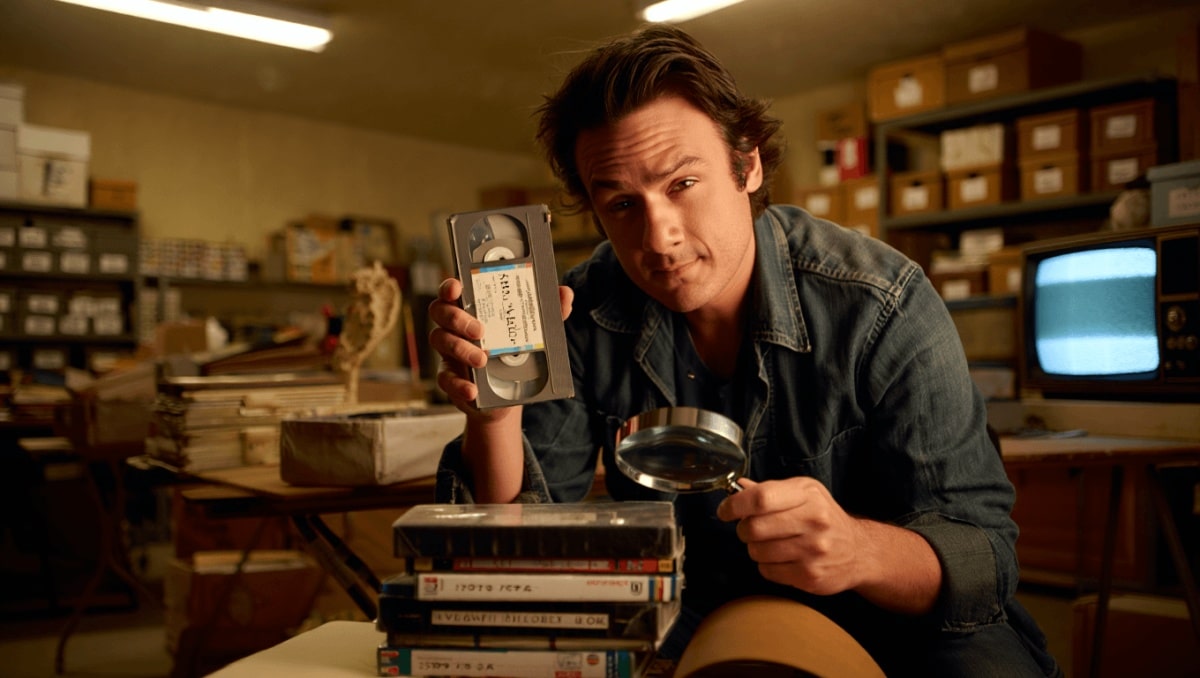
Private collectors and former production staff can also be invaluable. A single tape in a garage or a forgotten warehouse may hold the only surviving copy of an episode.
Practical tips for identification
When you encounter a candidate for “ultra-rare” status, document everything. Even small details build a case for survival or disappearance.
- Gather primary evidence: broadcast dates, cast lists, production company names.
- Capture screenshots or metadata from any digital fragments; that information aids authentication.
- Chain communication: record who you contacted and what responses you received.
- Preserve leads with timestamps — rights and access can change quickly.
How you can help preserve television history
Everyone can contribute to keeping rare programs from being lost. Archivists welcome verified leads and digitized copies; scholars value primary documentation.
- Donate or report physical media to established archives rather than trading privately.
- Share verifiable information with public databases and preservation projects.
- Support organizations working on digitization and rights clearance.
Even small actions — uploading a confirmed broadcast log, submitting a scan of an original schedule, or reporting a surviving tape — can change a title’s status from “lost” to “recoverable.”
The stakes: cultural memory and access
Beyond curiosity, the scarcity of television shows affects scholarship, representation and cultural memory. Programs that vanish often include work from under-documented creators or portrayals of communities rarely captured elsewhere.
As streaming providers prune catalogs and physical formats age, the balance between commercial availability and cultural preservation becomes more critical. Identifying and documenting ultra-rare shows today increases the chances they survive for future audiences and researchers.
If you think you’ve found an ultra-rare series, start with documentation, reach out to reputable archives, and share verifiable details with the preservation community. Concrete information — not conjecture — is the most powerful tool for restoring missing pieces of television history.