Show summary Hide summary
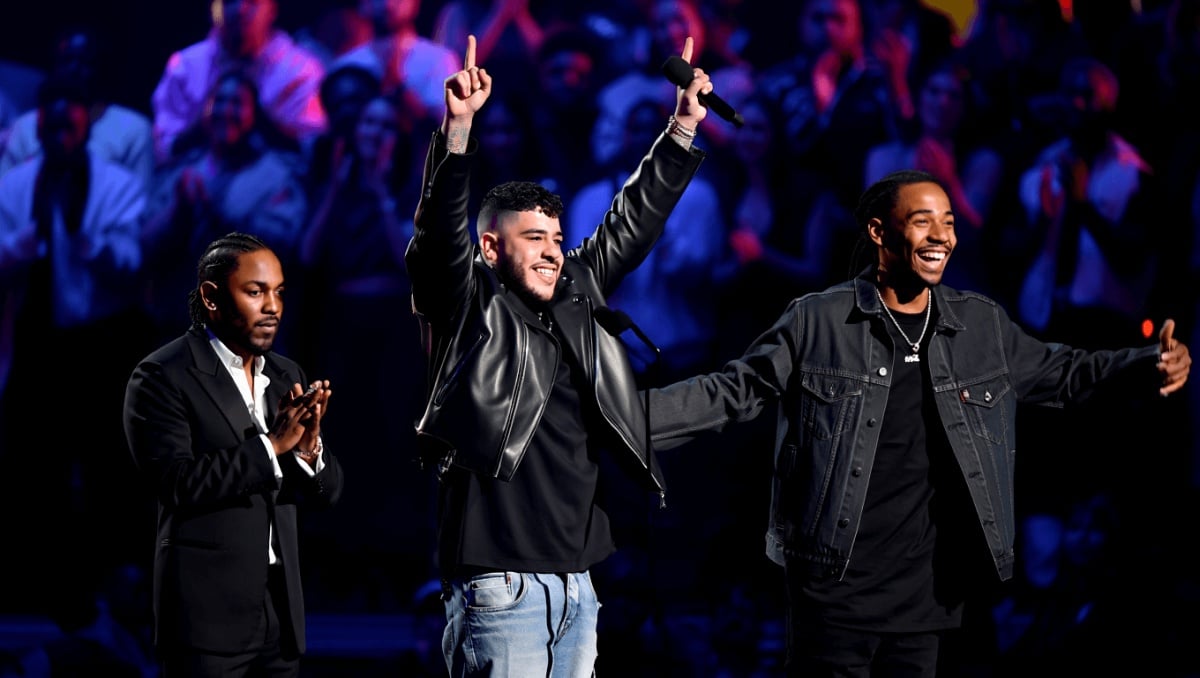
At this year’s awards ceremony, a handful of acceptance speeches did more than thank collaborators — they shaped the post-show conversation. From Olivia Dean’s poised remarks to Lola Young’s pointed appeal, these moments highlighted why live responses still matter in an era of viral clips and instant commentary.
Speeches at awards nights have never been purely ceremonial. They can redefine careers, spotlight causes and reshape how artists are perceived by fans and industry insiders alike. Below, we break down the most memorable moments and why they resonated beyond the stage.
Standout speeches and what made them matter
- Olivia Dean — Delivered with restraint and clarity, her remarks combined personal thanks with a sense of artistic purpose that reinforced her growing profile.
- Lola Young — Used the spotlight to address broader industry issues, pairing a personal anecdote with a call for long-term change.
- Breakthrough winner — A raw, emotional acceptance that read as a career milestone and a nod to grassroots support from fans and local venues.
- Veteran artist — Brief and gracious, the speech offered continuity and reminded audiences of a long catalogue of work rather than a single trophy.
- Behind-the-scenes honoree — A pragmatic appeal about the challenges of production and funding that drew attention to parts of the industry often overlooked onstage.
Stephen Moyer reveals The Forsytes renewed for seasons 2 & 3 before premiere
Scarpetta Prime drops today on Amazon with Nicole Kidman in thriller role
Each of these moments did more than fill airtime. They became shareable soundbites, shaped headlines and often drove immediate spikes in streaming and social engagement. For performers, a single well-crafted speech can translate into renewed press coverage, playlist placements and stronger negotiating positions.
Why these speeches resonated now
The current media environment rewards authenticity and urgency. Audiences are quick to amplify statements that speak to larger cultural conversations, whether about access, representation or the economics of creative work. When an artist speaks from experience, it tends to land harder and travel faster.
The practical effects are tangible: a memorable acceptance can prompt follow-up reporting, fuel social discussion and even attract new listeners who discover an artist through a shared clip. That ripple effect explains why many nominees prepare remarks that are concise, sincere and strategically attuned to what matters to fans today.
Common qualities of the most effective speeches
- Clarity — Simple, specific language that audiences can repeat and share.
- Authenticity — A personal line or anecdote that feels unrehearsed.
- Purpose — A clear point beyond celebration, whether thanking mentors or advocating change.
- Conciseness — Short speeches travel better on social platforms and keep attention.
- Visibility — Mentioning collaborators, communities or causes that broaden the speech’s reach.
Not every acceptance needs to be a message-driven moment. But when performers choose to use the stage deliberately, the effects can outlast the ceremony. In the weeks after the event, look for follow-up interviews and content that expands on the themes introduced in these speeches.
The awards night made clear that the most memorable lines are those that connect personal storytelling with wider concerns — whether that’s artistic integrity, structural change or gratitude for the people who helped along the way. For viewers and industry watchers, those moments provide insight into where culture and commerce intersect in music and entertainment.