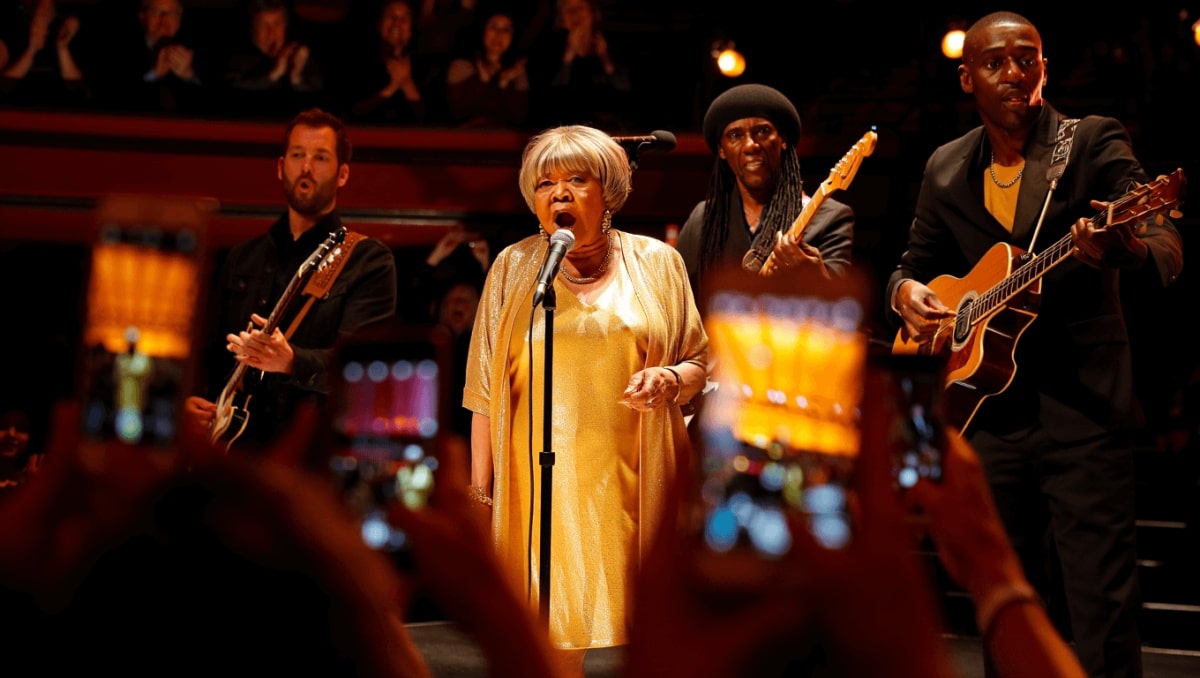
When a celebrated artist walks onto the Beacon Theatre stage, the room seems to tilt: conversations hush, camera phones rise and the performance becomes an event that reverberates beyond the walls. That dynamic matters now as audiences return to live venues and cultural institutions reassert their role in New York’s social life.
The Beacon has long been more than a building; it’s a place where careers are reframed and memories are made. In recent seasons, appearances by high-profile performers have drawn attention not just for the music but for what their presence signals about the health of the live-music scene and local economy.
Why a single show can feel historic
There are practical reasons a major artist transforms the evening. Seating patterns, acoustics and production scale interact with audience expectation in ways that create an unmistakable atmosphere. But there’s also a symbolic element: a headline name on the marquee gives the show cultural weight, attracting media coverage and long-standing fans who travel for the experience.
For New Yorkers and visitors alike, a night at the Beacon can become a communal ritual—an encounter that mixes nostalgia with discovery. That blend explains why tickets sell quickly, why reviews focus on small, decisive moments (a particular guitar phrase, an improvised verse) and why a performance can ripple across social feeds and local press.
What audiences typically notice
- Sound and intimacy: The theatre’s design makes even subtle vocal inflections audible, so fans often remark on how “up close” a legend feels.
- Setlist surprises: Established artists tend to balance classics with rarities, turning concerts into unique historical documents for attendees.
- Community impact: Nearby restaurants and bars commonly see a bump in business before and after shows.
- Media attention: High-profile appearances attract coverage that can shape an artist’s narrative for months.
Producers and promoters understand these dynamics and often tailor marketing and production to amplify them: timed encore moments, guest performers, and special staging choices. For the casual fan, such touches can make a routine tour stop feel like a once-in-a-lifetime event.
There are also broader stakes. Successful headline shows help sustain midsize theaters by boosting subscription sales, encouraging future bookings and signaling to artists that a city is worth returning to. In turn, that affects jobs—technicians, hospitality staff, local vendors—and the cultural calendar that residents rely on.
Not every performance hits the same notes. Some nights deliver transcendent moments; others are solid but forgettable. Yet the consistent pattern is clear: when an artist with a long public record appears at the Beacon, the concert becomes a focal point for memory-making and conversation.
For readers planning to attend: arrive early, expect tighter-than-usual crowds and consider nearby dining options if you want to make the evening stretch beyond the curtain call. For neighborhood businesses and cultural watchers, these shows remain a dependable catalyst for activity and attention.
Ultimately, the Beacon’s power lies in its ability to turn an ordinary evening into a shared cultural moment—one that matters to performers, audiences and the city alike.