Sabrina Carpenter apologized for dismissing a traditional Arabic zaghrouta cheer at her Coachella 2026 headlining set. The pop star mistook the celebratory chant for yodeling during Friday night’s performance. She acknowledged the cultural misunderstanding which sparked immediate backlash on social media.
🔥 Quick Facts
- Performance Date: Friday, April 11, 2026 at Coachella Valley Music and Arts Festival in Indio, California
- Initial Reaction: Carpenter heard the zaghrouta and said “I don’t like it,” calling it “weird” and comparing it to Burning Man
- Fan Response: A crowd member yelled “It’s my culture,” prompting further dismissive comments from the performer
- Apology Timeline: Carpenter issued her apology on Saturday via X (Twitter), admitting “could have handled it better”
What Exactly Sparked the Viral Moment at Coachella
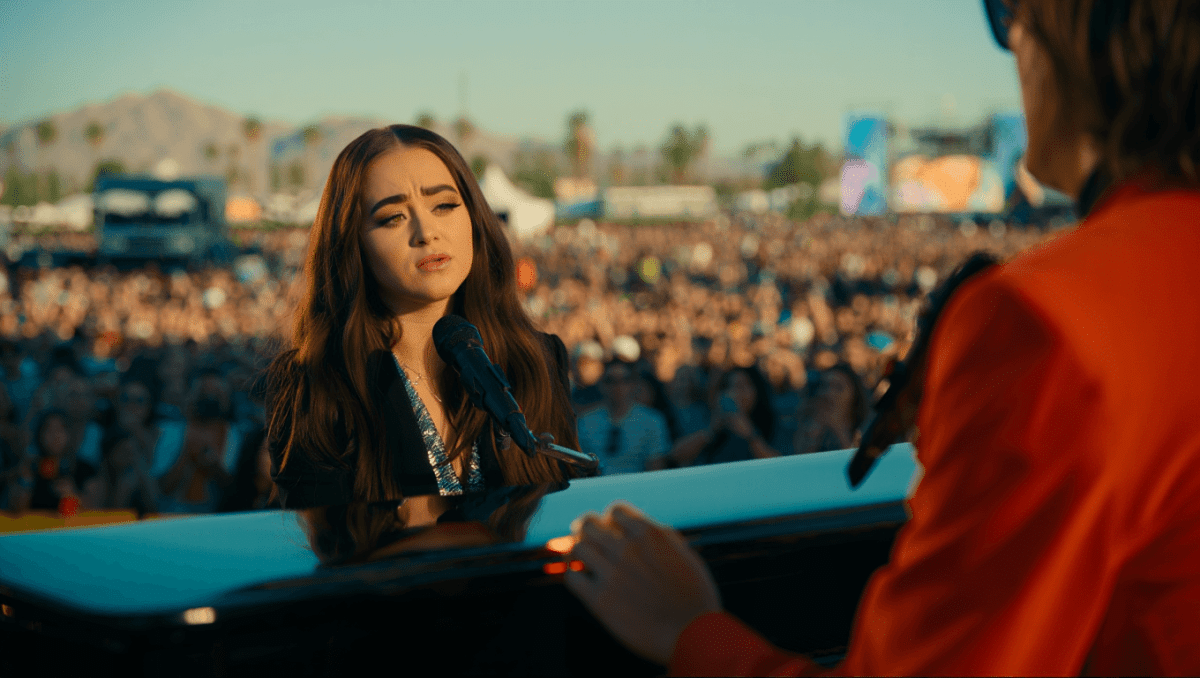
During Carpenter’s piano performance on Friday night, an audience member performed a zaghrouta, a traditional celebratory vocal sound common in Middle Eastern and North African cultures. The Grammy-winning “House Tour” singer appeared visibly confused by the high-pitched, trilling sound coming from the crowd. She sat at the piano with a bewildered expression, heard saying into her microphone, “I think I heard someone yodel, is that what you’re doing? I don’t like it.”
Video clips of the interaction quickly circulated across social media platforms, capturing the tense exchange between Carpenter and the audience member. The moment became instantly viral, with thousands of users calling out what they perceived as cultural insensitivity during a live performance at one of music’s biggest festivals.
The Zaghrouta Explained, Cultural Context and Significance
The zaghrouta, also known as ululation or lele, represents a long, wavering, high-pitched vocal sound traditionally used by women in Arab cultures to express joy and celebrate. According to Arab America, it’s described as “a form of a long, wavering, high-pitched vocal sound representing trills of joy,” produced by emitting a loud voice with rapid tongue movements.
This cultural cheer gained mainstream visibility during Shakira’s 2020 Super Bowl halftime performance, when the artist, who is half Colombian and half Lebanese, performed the zaghrouta while wagging her tongue at the camera. The gesture honored her Middle Eastern roots during “Hips Don’t Lie,” educating millions of viewers about the ancient tradition.
| Aspect | Details |
| Cultural Origin | Middle Eastern and North African traditions |
| Traditional Use | Expression of joy, celebration, and honor |
| Sound Production | High-pitched trills with rapid tongue movement |
| Primary Practitioners | Women in Arab communities worldwide |
Sabrina Carpenter’s Full Apology Addresses Confusion and Intent
“my apologies i didn’t see this person with my eyes and couldn’t hear clearly. my reaction was pure confusion, sarcasm and not ill intended. could have handled it better! now i know what a Zaghrouta is! I welcome all cheers and yodels from here on out”
— Sabrina Carpenter, via X (formerly Twitter)
The 25-year-old pop superstar responded directly to accusations of cultural insensitivity hours after her Coachella headline set went viral. Carpenter emphasized that her reaction stemmed from confusion and sarcasm rather than intentional disrespect. Her apology came after fans and critics accused her of mocking a cultural celebration and labeled her comments “insensitive and Islamic phobic.”
The singer acknowledged her limited awareness of the tradition and stated openly, “I welcome all cheers and yodels from here on out,” signaling her acceptance and commitment to learning from the moment. Her willingness to address backlash directly on social media within 24 hours demonstrated swift accountability for her onstage remarks.
What Happened at Coachella 2026 Performance Context
Carpenter made history by becoming the first female solo artist to headline Coachella 2026’s opening night. The “Espresso” singer delivered a star-studded performance featuring cameos from Sam Elliott, Susan Sarandon, and Will Ferrell. She performed multiple tracks from her recent albums, including her 2024 Billboard 200 No. 1 album “Short n’ Sweet” and her 2025 No. 1 album “Man’s Best Friend.”
Just two years earlier, Carpenter performed at Coachella for the first time and made an bold prediction in an improvisational outro to her set. The Grammy winner vowed, “Coachella, see you back here when I headline,” a promise she fulfilled spectacularly on April 11, 2026, alongside fellow headliners Justin Bieber and Karol G.
Why This Moment Resonated Beyond Coachella’s Borders
The viral zaghrouta exchange sparked larger conversations about cultural awareness and performer accountability in entertainment spaces. Social media users immediately contextualized the moment within ongoing discussions about cultural appropriation versus cultural appreciation. Many highlighted how non-Arab performers like Shakira have successfully honored the tradition while mainstream awareness remains limited.
Carpenter’s swift apology and commitment to learning demonstrated how public figures can acknowledge mistakes and pivot toward education. The moment served as a teaching opportunity for millions unfamiliar with zaghrouta traditions, ultimately amplifying Arab culture through a viral moment that transcended the music festival setting and sparked conversations across global platforms.
Sources
- Billboard – Comprehensive coverage of Carpenter’s apology and Zaghrouta cultural context
- Deadline – Timeline and details of viral moment and Carpenter’s X response
- The Hollywood Reporter – Performance recap and cultural chant clarification