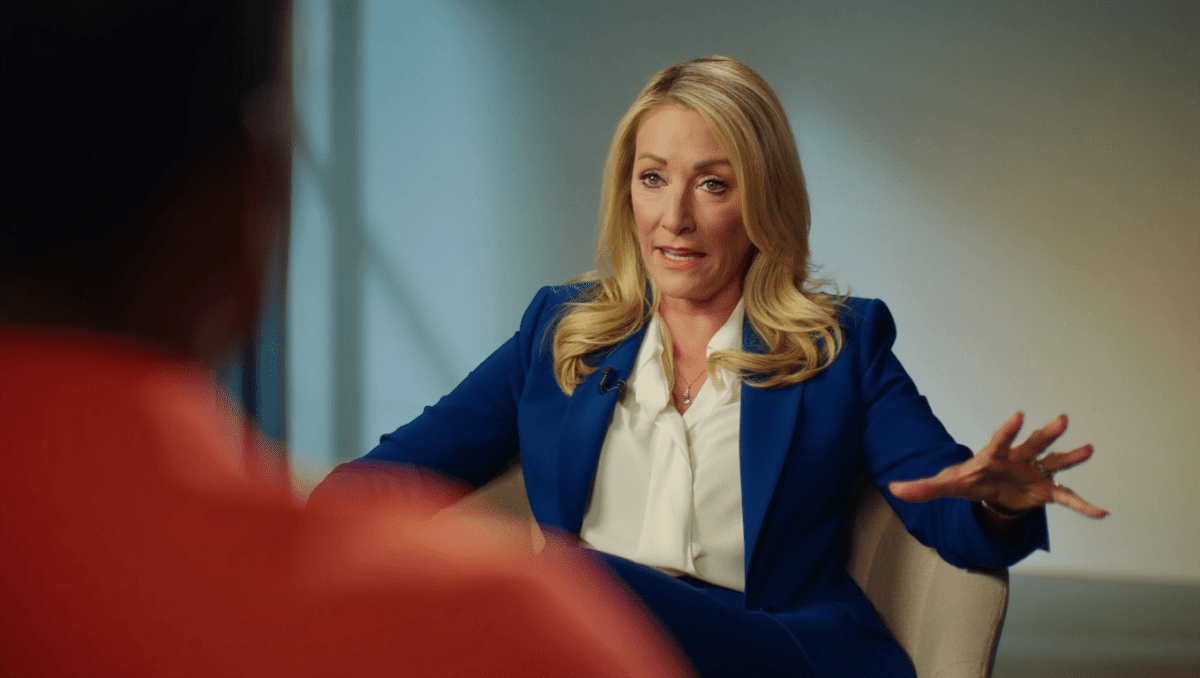
Lisa Kudrow just delivered a stunning critique of modern television. The Friends legend says new sitcoms are ‘too afraid’ to make jokes that real comedy demands. Her conversation with Lily Tomlin reveals a troubling truth about contemporary comedy on screen.
🔥 Quick Facts
- The Critic: Lisa Kudrow, who played Phoebe Buffay for 10 seasons on Friends (1994-2004)
- The Quote: ‘I feel like we’ve been too afraid to make jokes that might make people uncomfortable.’
- The Timing: Comments published April 5, 2026, in Interview Magazine as The Comeback Season 3 premiered
- The Challenge: Comedy requires surprise, but modern shows play it safe
Comedy Requires Risk, But Modern Sitcoms Play It Safe
During her recent interview with legendary actress Lily Tomlin, Kudrow addressed whether the sitcom genre is dying or evolving. Her answer was blunt and revealing. She’s not drawn to new multi-camera sitcoms filmed in front of live audiences anymore because they lack the boldness that made classic comedy iconic. Friends, Seinfeld, and 30 Rock succeeded precisely because they took risks.
The actress explained her frustration in crystal-clear terms. When asked if sitcoms are still evolving, Kudrow said she wished they were. Instead, what she sees is caution replacing creativity. The industry has become paralyzed by fear of making audiences uncomfortable, which is exactly what great comedy requires.
What Made Friends and Seinfeld Truly Funny
Kudrow pinpointed the fundamental difference between comedy that lands and comedy that falls flat. The really good sitcoms of the past weren’t tame. They contained jokes that shocked viewers, that made people think, ‘I can’t believe they just said that.’ That element of surprise is essential to comedy itself. Modern writers and producers seem to have forgotten this basic truth about what makes audiences laugh.
She emphasized that comedy is fundamentally about surprise. Viewers need lines they didn’t see coming. They need moments that break expectations. Without that unpredictable edge, sitcoms become predictable, safe, and ultimately forgettable. The fear preventing writers from crossing any line has stripped contemporary comedy of its power.
The Industry’s Culture of Fear
What’s particularly striking about Kudrow’s critique is that it targets not individual writers but an entire industry mindset. According to her analysis, the problem isn’t a few timid creators. It’s systemic fear that has infected sitcom production from top to bottom. Networks, studios, and producers collectively decided that discomfort equals danger.
| Era | Comedy Approach | Result |
| 1994-2004 (Friends Era) | Bold, surprising jokes; audience shock value | Cultural phenomenon, iconic show |
| 2000s (Seinfeld, 30 Rock) | Risk-taking humor; boundary-pushing content | Emmy-winning classics, cultural legacy |
| 2026 (Modern Sitcoms) | Cautious, tame jokes; audience safety first | Forgettable, struggling to connect with viewers |
“I think we need to get back to being able to tell jokes. I feel like we’ve been too afraid to make jokes that might make people uncomfortable. The really good ones, they’re not tame jokes. They’re jokes that are kind of, ‘I can’t believe you just said that.’ Comedy is about surprise. You need things you didn’t see coming.”
— Lisa Kudrow, Interview Magazine
The Comeback Returns to Challenge the Status Quo
Kudrow isn’t making these observations from the sidelines. She’s actively working in comedy, having just premiered the third and final season of HBO’s The Comeback on March 22, 2026. The show, which premiered in 2005 and returned in 2014, deliberately positions itself as comedy that isn’t afraid to cringe, to make audiences uncomfortable, to push boundaries. It’s Kudrow’s own answer to the problem she identified in modern sitcoms.
The decision to conclude The Comeback after this season reflects Kudrow’s commitment to storytelling integrity over endless iterations. She told The Hollywood Reporter that making the show a proper trilogy felt most respectful to both the audience and the character. It’s the same principle she’s advocating for in comedy broadly: respect the form enough to take real risks with it.
Will Television Listen to Kudrow’s Wake-Up Call?
The question now is whether the television industry will take Kudrow’s critique seriously. She speaks from decades of experience creating genuinely funny television. Her words aren’t dismissive anger but professional concern. The shows of her era worked because they trusted their writers, their audiences, and the power of genuine surprise. Modern sitcoms seem to have lost that trust entirely. Will networks finally remember that the audience craves authenticity and boldness, or will they continue playing it safe while comedies fade into irrelevance?