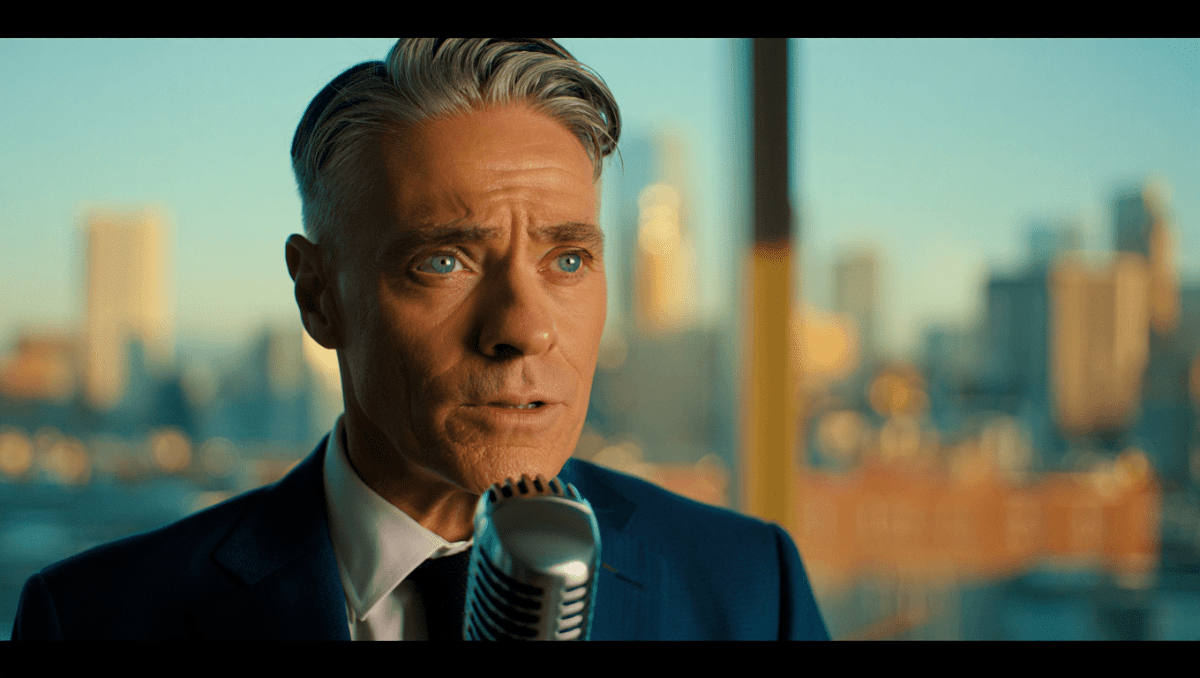
Eddie Dalton dominated the iTunes charts with soulful blues tracks, but there’s a shocking truth. This rising music sensation isn’t real, entirely created by artificial intelligence. The revelation sparks urgent questions about authenticity in modern streaming.
🔥 Quick Facts
- Creator: Dallas Ray Little operates Crunchy Records from Greenville, South Carolina
- Chart Dominance: 11 songs in iTunes Top 100, album #3 position with The Years Between
- Top Tracks: Another Day Old (1.4 million YouTube views), Running to You, Cheap Red Wine
- AI Style: Blue-eyed soul blending Otis Redding and BB King with zero human artist
The Rise of a Phantom Blues Singer
Eddie Dalton emerged on iTunes claiming 11 chart positions in a single month, making The Years Between album ascend to number 3 nearly overnight. The smooth vocals drew comparisons to soul legends. Listeners discovered soulful ballads like Another Day Old that seemed to resonate deeply. Critics and fans alike fell captivated by the mysterious artist nobody had heard of before. The unprecedented climb sparked immediate curiosity across social media platforms.
What made the success even stranger was the complete absence of any live performances or interviews. No tour announcements. No behind-the-scenes content. Eddie Dalton existed solely as AI-generated artwork and music files floating through digital space. Real artists build fanbases over years, but this phantom performer conquered charts in weeks. The internet buzzed with theories about identity.
The Creator Behind the Curtain Revealed
Dallas Ray Little, a content creator based in Greenville, South Carolina, runs Crunchy Records and generated Eddie Dalton entirely through artificial intelligence tools. According to Showbiz 411, Little operates a multi-artist AI music factory, producing fictional musicians under different names. Little claims music released is clearly labeled as AI-generated across social media platforms. The strategy appears designed to test how algorithms can be exploited by flooding charts with high-volume downloads.
When controversy erupted, Little defended the project publicly. The creator stated, All songs are written by me and expressed frustration about being mischaracterized. TikTok videos carry AI disclaimers, though YouTube channel features no such warnings whatsoever. This inconsistency raises questions about whether audiences genuinely understand what they listen to. Little maintains listeners are fully aware and enjoy the music regardless of artificial origins.
How This AI Artist Broke Everything
| Metric | Data |
| iTunes Top 100 Spots | 11 singles, only 6,900 sales |
| Album Chart Position | The Years Between at #3 on iTunes |
| Top Song | Another Day Old hit #1 position |
| YouTube Engagement | 1.4 million views on official video |
Eddie Dalton exposed a critical flaw in how streaming platforms calculate success. iTunes rankings rely heavily on downloads rather than streams, creating vulnerability to manipulation. A creator with enough resources can purchase downloads in bulk and mathematically engineer chart dominance. Spotify engagement tells a different story with minimal streaming activity. This discrepancy reveals how chart metrics can become misleading without considering overall listener connection and retention.
The incident raises alarm about algorithm gaming in the music industry. If AI-generated content can flood charts with modest actual sales, what happens when bad actors scale this approach? Traditional artists invest years building authentic fanbases while phantom performers achieve instant credibility through technical manipulation of ranking systems.
“An artist named Eddie Dalton just hit #1 on iTunes. Two more songs in the Top 10. Millions of views on YouTube. Completely AI-generated. Voice, style, everything. Sounds like a mix of Otis Redding and BB King, but there’s no actual human behind it. If most listeners can’t tell the difference, does it actually matter?”
— Evan Kirstel, X (formerly Twitter)
Industry Backlash and Authenticity Questions
Real musicians responded with frustration to Eddie Dalton’s chart success. Pittsburgh artist Addi Twigg spoke out against AI stealing sounds from human-created work. The controversy intensified debates about whether AI musicians should compete alongside flesh-and-blood artists. Major artists including Elton John and Dua Lipa have urged governments to tighten copyright protections against unauthorized use of human voices in AI training systems.
Comment sections flooded with positive responses, yet skepticism remains whether engagement is genuine or bot-generated. One comment claimed Another Day Old made listeners appreciate life at age 52, suggesting emotional connection. However, the bot question haunts the narrative. If Eddie Dalton’s success involved artificially inflating both purchases and engagement metrics, the entire phenomenon represents a masterclass in digital deception disguised as music art.
What Does Eddie Dalton Mean for Music’s Future?
The Eddie Dalton phenomenon signals a turning point in entertainment. AI-generated performers can now compete for chart dominance within weeks. This raises unprecedented questions about human artistry versus machine-produced content. Should platforms implement disclosure requirements for synthetic creators? Must listeners know they’re consuming entirely artificial performances? Will future generations distinguish between human emotion and convincing simulation?
Industry analysts suggest chart systems require immediate reform to prevent further manipulation. Streaming metrics need rebalancing toward genuine listener engagement rather than raw download counts. Meanwhile, AI music technology continues advancing rapidly, making it harder to detect synthetic performers at scale. The question isn’t whether Eddie Dalton was skillfully made, but whether the music industry can maintain integrity when phantom artists prove commercially viable.