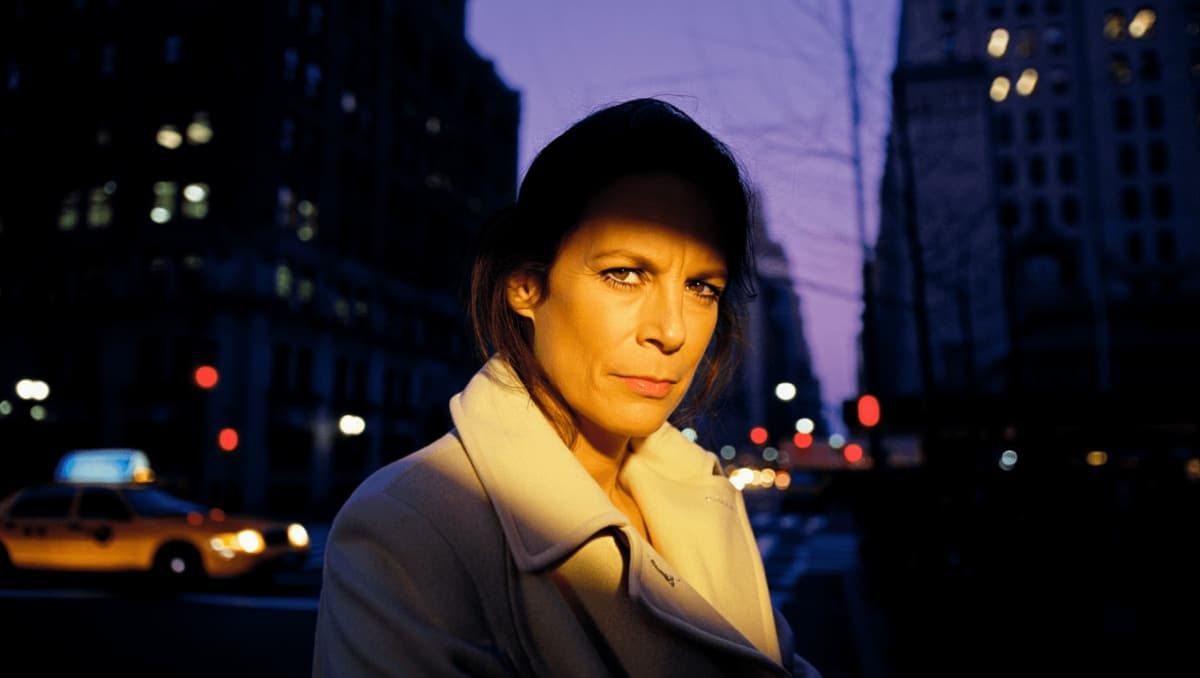
Jamie Lee Curtis, long known for roles that range from horror icon to playful children’s author, has been stressing a simple but urgent message lately: in unsettled times, maintaining hope is not optional—it’s a practice. Her public comments and creative work underscore how storytelling and small, everyday actions can help people feel less isolated and more able to cope.
That matters now because many readers face overlapping pressures—economic uncertainty, political polarization, and a steady stream of bleak headlines—that amplify anxiety and erode civic trust. When a well-known figure speaks about hope as an active choice rather than a passive feeling, it reframes personal resilience as something people can cultivate.
Why Curtis’s voice carries weight
As an actor whose career spans decades and a writer who has reached both adults and children, Curtis blends cultural visibility with credibility. She often frames hope in human-scale terms: the small rituals, the routines that anchor daily life, and the stories that remind people they are not alone. That combination—public recognition plus a focus on practical, empathetic gestures—helps her message cut through noise.
Her approach avoids platitudes. Instead of insisting that hope magically appears, Curtis emphasizes habits and outlets that keep people connected: creative work, honest conversation, and action in communities. Those are tangible steps that reduce the distance between feeling overwhelmed and reengaging with daily responsibilities.
What this means for readers
Viewing hope as a practice changes how you respond to bad news. It shifts the question from “How can I feel better?” to “What small, repeatable acts can I do to keep going?” That has implications for mental health, family dynamics, and civic life: steady, modest efforts often outweigh sporadic grand gestures.
- Start small: Short routines—daily walks, a few minutes of writing, or a consistent check-in with a friend—create momentum.
- Tell and listen to stories: Sharing experiences, even brief ones, builds perspective and reduces isolation.
- Choose one actionable thing: Volunteering locally, joining a community group, or contacting an elected official turns concern into constructive effort.
- Limit the intake: Curate news and social feeds to stay informed without becoming saturated by negativity.
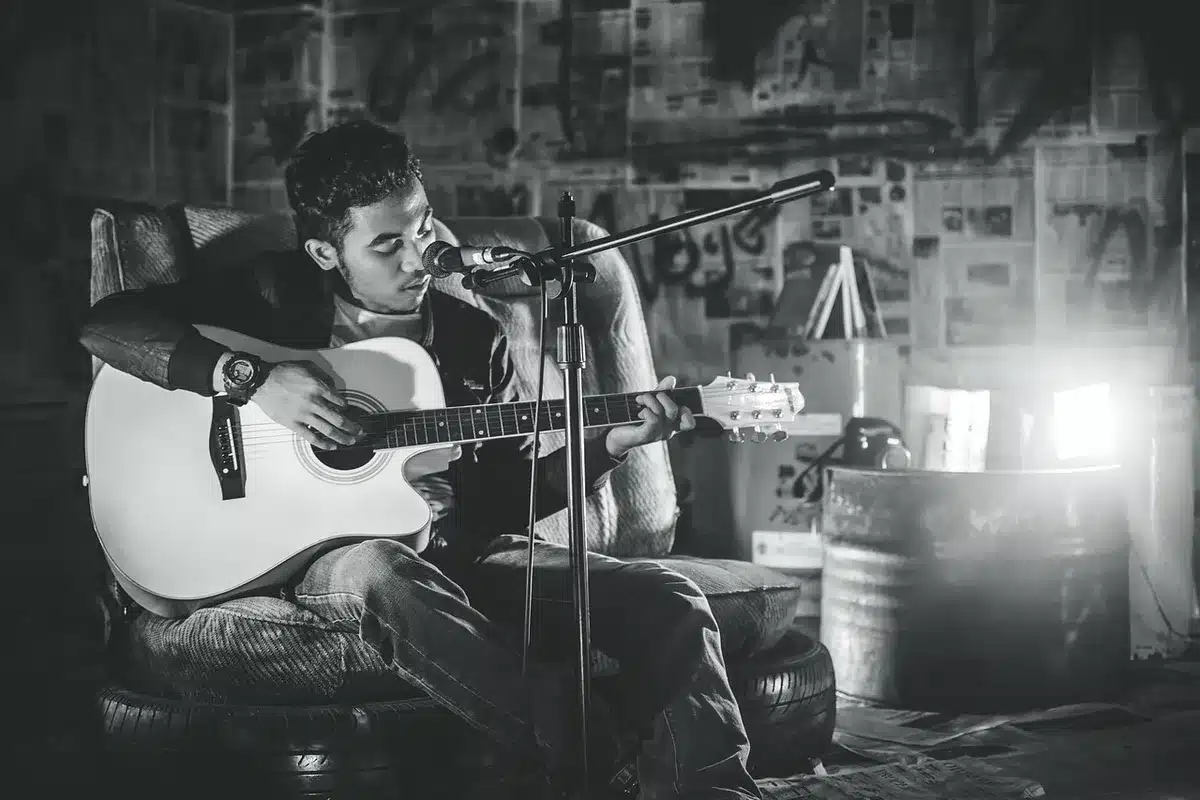
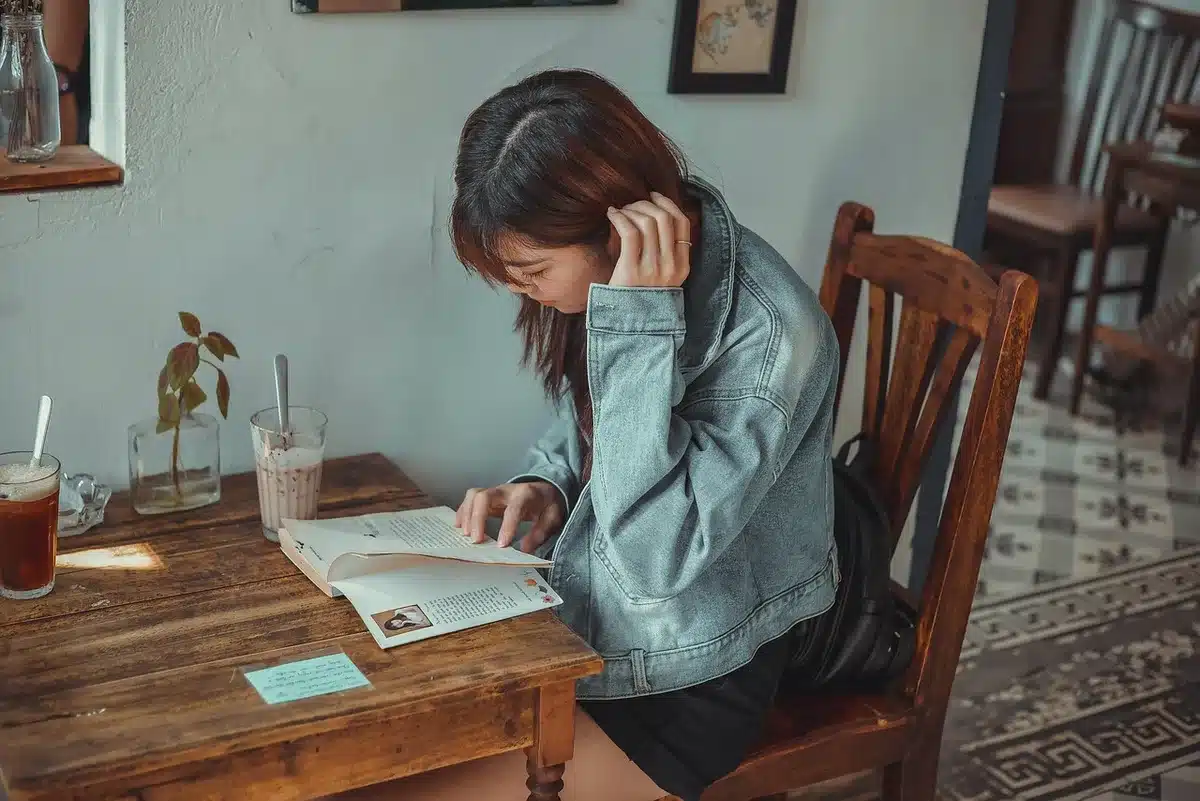
- Support creative outlets: Reading, watching, or making art can recalibrate emotions and reopen imagination.
How artists shape public resilience
Artists and public figures can normalize the messy work of staying hopeful. By modeling vulnerability and by promoting small, repeatable practices, they provide a template for audiences who might otherwise feel paralyzed. Curtis’s emphasis on storytelling and pragmatic empathy is one such template that translates across age groups and life circumstances.
That influence is not purely symbolic. When cultural leaders encourage civic participation and personal care, more people may feel empowered to act—whether that means helping a neighbor, supporting local institutions, or simply checking in on friends and family.
Practical steps, drawn from the idea of hope as a habit
Below are compact, everyday habits readers can adopt today to build resilience without waiting for circumstances to improve.
- Set a five-minute “check-in” each morning—note one intention for the day.
- Schedule a weekly conversation with someone outside your usual circle.
- Designate a media-free hour each evening to read or create.
- Commit to one small civic act each month (attend a meeting, volunteer, vote).
- Create a short list of hopeful stories—books, films, podcasts—to return to when you’re feeling low.
Jamie Lee Curtis’s message is straightforward yet consequential: hope becomes effective when treated as a set of habits that restore agency and connection. In a landscape of sustained uncertainty, those habits are an accessible form of resistance—practical steps that help people sustain themselves and one another.