Not every cultural reference survives the leap between generations. These 17 vintage trivia prompts reveal how quickly everyday objects, advertising jingles and pastime habits can slip out of common knowledge—and why that matters now as nostalgia shapes entertainment, marketing and family conversation.
As streaming services revive old shows and vinyl record sales climb, the past is present in new ways. But the gap in shared references can complicate everything from classroom lessons to brand messaging, making it worth testing which pieces of cultural memory persist—and which belong chiefly to parents and grandparents.
Seventeen vintage prompts that test cultural memory
Below are short clues followed by the era they belonged to and the answer. Try them with older relatives and younger friends to see who knows what—and why.
| # | Clue | Typical era | Answer |
|---|---|---|---|
| 1 | What device used a circular dial you rotated to place a call? | 1950s–1970s | Rotary telephone |
| 2 | The silver-blue instant photos that developed before your eyes—what brand made them famous? | 1940s–1990s | Polaroid |
| 3 | A small molded toy that could hold an impression and bounce back—what was it? | 1950s–1970s | Silly Putty |
| 4 | A home entertainment format that played cassettes for music and movies—what was it? | 1970s–1990s | VHS |
| 5 | Before streaming, people rewound tapes. Which slogan warned movie-renters to do so? | 1980s–1990s | “Be Kind, Rewind” |
| 6 | An early home video game console famous for a blocky black cartridge—name it. | 1970s–1980s | Atari 2600 |
| 7 | A music format that sat between vinyl and cassette in portability—what was the wide magnetic tape format? | 1960s–1980s | 8-track tape |
| 8 | A camera film format that required development at a shop—what was the common term? | 1960s–1990s | 35mm film |
| 9 | A floppy square storage disk used for files—how many inches was the common full-size version? | 1980s–1990s | 5.25-inch (and later 3.5-inch) |
| 10 | The cereal mascot who wore a pilot’s cap and scarf—who was he? | 1950s–1980s | Tony the Tiger |
| 11 | A common social venue for long-distance calls, often coin-operated—what was it? | 1960s–1990s | Payphone |
| 12 | A small, flat metallic piece used as a pre-paid fare on transit in many cities—what name fits? | 1940s–1980s | Transit token |
| 13 | A popular children’s TV couple, Lucy and Ricky—what sitcom did they star in? | 1950s | I Love Lucy |
| 14 | A short, often jingle-driven advertisement slot between programs—what was it commonly called? | 1950s–1990s | Commercial (TV ad) |
| 15 | A compact cassette used for mixtapes and portable music—what name do we usually use? | 1970s–2000s | Cassette tape |
| 16 | A brand associated with color film and disposable cameras—who led the market for decades? | 1930s–2000s | Kodak |
| 17 | A handwritten record you kept to show how many long-distance minutes you used—what was it? | 1970s–1990s | Phone bill / call log |
Some entries are obvious to many; others depend on whether a person grew up with those objects or encountered them later through media. The answers are straightforward, but the recognition value varies by generation—and by geography.
Why these questions matter beyond trivia
Testing memory of old tech and brands does more than spark nostalgia. It highlights how everyday objects shape shared language and expectations. When younger consumers lack the context for an older reference, communication breaks down—whether in advertising that leans on retro cues or in family stories that assume mutual familiarity.
For journalists and educators, that gap is practical: preserving accurate context helps readers make sense of archival reporting and historical comparisons. For brands, understanding which symbols still resonate can determine whether a nostalgic campaign lands or feels out of touch.
- Nostalgia marketing: Use old references sparingly and make sure they’re recognisable to your target audience.
- Intergenerational learning: Simple quizzes like this encourage conversation and transfer of cultural knowledge.
- Archival clarity: Reporters should avoid assuming contemporary readers share historical touchstones without explanation.
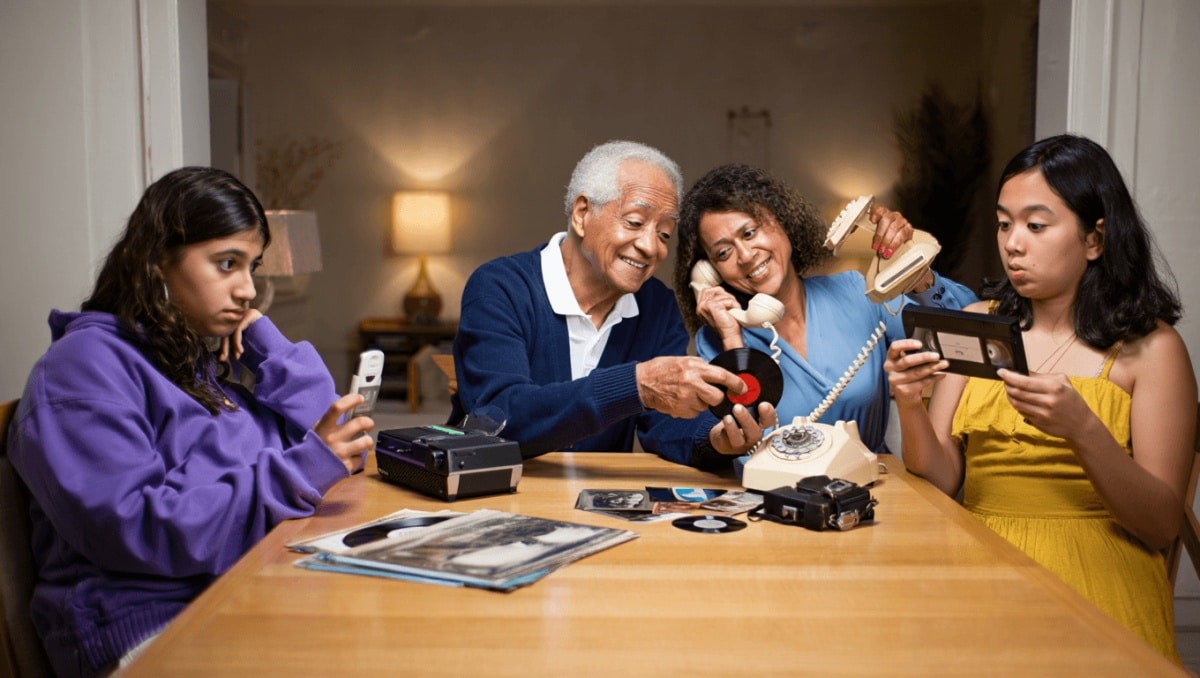
If you want to turn these prompts into a family game, give younger players multiple-choice options or show images. That small adaptation keeps the activity lively and turns memory gaps into an opportunity for stories and explanation—what older relatives remember often explains why those objects mattered in the first place.
Share the list at a family dinner or in a classroom and watch how quickly a single question can open a longer conversation about how daily life has changed over a few generations.