George Lucas just revealed why kids love Darth Vader more than heroes like Luke Skywalker. In a 1999 interview, the Star Wars creator explained the surprising psychology behind children’s attraction to the galaxy’s greatest villain. His theory exposes why powerless children gravitate toward the most powerful character ever created.
🔥 Quick Facts
- Darth Vader Search Volume: 622,000 monthly searches in 2024, most popular Star Wars character
- Lucas’ Quote: Children love power because children are the powerless, from 1999 Bill Moyers interview
- Psychology Factor: Kids revere Vader’s strength more than Luke’s heroism, even though the films teach the opposite
- Cautionary Tale: Star Wars frames Vader’s power as corrupting, not something to admire
Kids Crave What Adults Possess: Power
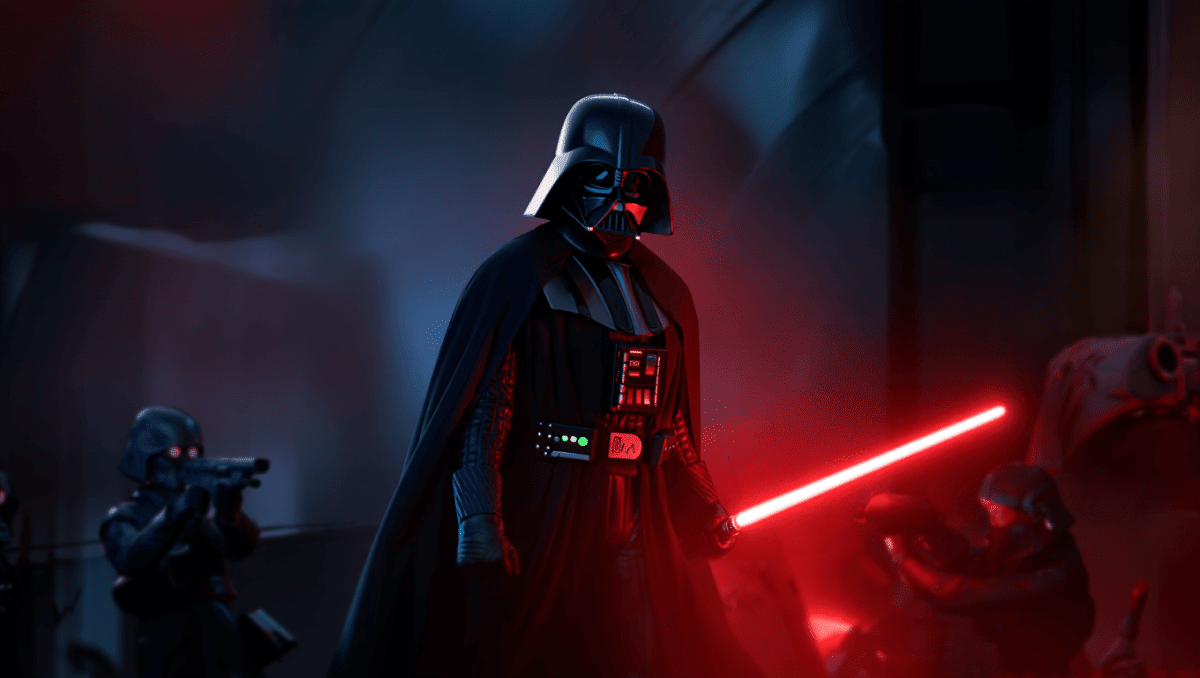
According to psychotherapists and George Lucas himself, children gravitating toward Darth Vader reveals a fundamental truth about childhood psychology. Kids are powerless, watching adults control every aspect of their lives. When Vader appears on screen in his iconic black armor, commanding legions with a thought and wielding an energy sword that cuts through virtually anything, he embodies everything a child secretly wants. Luke Skywalker, by contrast, doubts himself, questions authority, and struggles with his destiny. For young viewers seeking escapism, Vader wins.
Lucas observed that children’s fantasies center entirely on having power. Who could be more powerful than the Dark Lord of the Sith? Even the Emperor himself answers to Vader’s** mechanical might. When Luke learns Vader is his father, the appeal intensifies because fathers represent ultimate power in a child’s eyes. Anakin started as a slave, the most powerless being imaginable, making his transformation into the galaxy’s most feared warrior irresistible to young audiences.
Why Darth Vader Beats Heroes in Every Way
The prequel trilogy deepened this appeal by showing Anakin’s journey from powerless slave boy to unstoppable cyborg warrior. Lucas began The Phantom Menace with Anakin as a child, deliberately establishing his initial powerlessness. Every step toward the Dark Side gave him something children desperately want: control, strength, and influence. Yoda teaches that the dark side is quicker, easier, and more seductive, and children proved him right.
Merchandising data confirms this psychology. Star Wars has always sold equal amounts of Dark Side merchandise alongside Light Side goods because children want to play as the villain. Kylo Ren in the sequel trilogy later parodied this phenomenon, with Supreme Leader Snoke mocking him as no Vader, just a child in a mask. Kylo’s weakness and emotional instability made him pathetic compared to the composed Dark Lord. This contrast proves Lucas’s theory still holds true in modern storytelling.
The Cautionary Tale Behind the Cool Factor
George Lucas never intended for audiences to actually idolize Vader. The Empire Strikes Back shows the dark side offers no moral restraint, only endless appetite for more power. Return of the Jedi delivers the critical lesson when Luke defeats Vader by refusing to fight, throwing away his weapon instead. When Vader’s mask is removed, audiences see only a sad, diminished old man who sacrificed everything for power that ultimately left him broken.
| Film Moment | Moral Lesson |
| Vader’s Offer of Power | Temptation corrupts, echoes Satan tempting Christ |
| Luke Refuses the Dark Side | True strength comes from compassion, not force |
| Vader’s Redemption | Love and family can save even the fallen |
| The Price of Power | Pursuing strength above all costs your humanity |
“Children love power because children are the powerless. And so their fantasies all center on having power. And who’s more powerful than Darth Vader, you know?”
— George Lucas, Creator of Star Wars
Disney’s Darth Vader Problem
Modern Star Wars content has accidentally validated Lucas’s concerns by glorifying Vader’s power rather than questioning it. In Rogue One, Vader slaughters an entire hallway of rebel soldiers in a scene audiences find thrilling rather than horrifying. The Disney era leans into Vader worship, showing why fan culture has become obsessed with the Dark Lord. Ben Solo** followed Vader’s path as Kylo Ren, modeling himself on someone parents considered mythologically evil.
Does this mean parents should worry? Lucas would argue no, if families understand the deeper message. Star Wars works as a cautionary tale only when viewers grasp that Vader’s strength came at the cost of his soul. The films teach that inner balance, compassion, and intuition matter more than raw power. But children younger than 13 often miss these nuances, seeing only an armored warrior commanding absolute authority.
Why Does This Psychology Matter Today?
In 2024 and 2025, Darth Vader remained the most-searched Star Wars character despite 50 years of new heroes and stories. Gen Z children who never experienced the original trilogy still gravitate toward Vader first. George Lucas may have created the perfect villain because he understood that powerlessness defines childhood. Every child watches adults make decisions affecting their lives, controlling their schedules, their bodies, their futures. Vader represents ultimate rebellion against this powerlessness.
The Star Wars saga ultimately teaches that heroes triumph not through strength but through love. Yet Disney’s recent content focused on Vader shows how easily audiences forget this lesson. Lucas created something so powerful that even he struggles to control how fans interpret it. The Dark Lord wins not because his philosophy holds moral weight, but because children desperately need to believe power can be achieve.