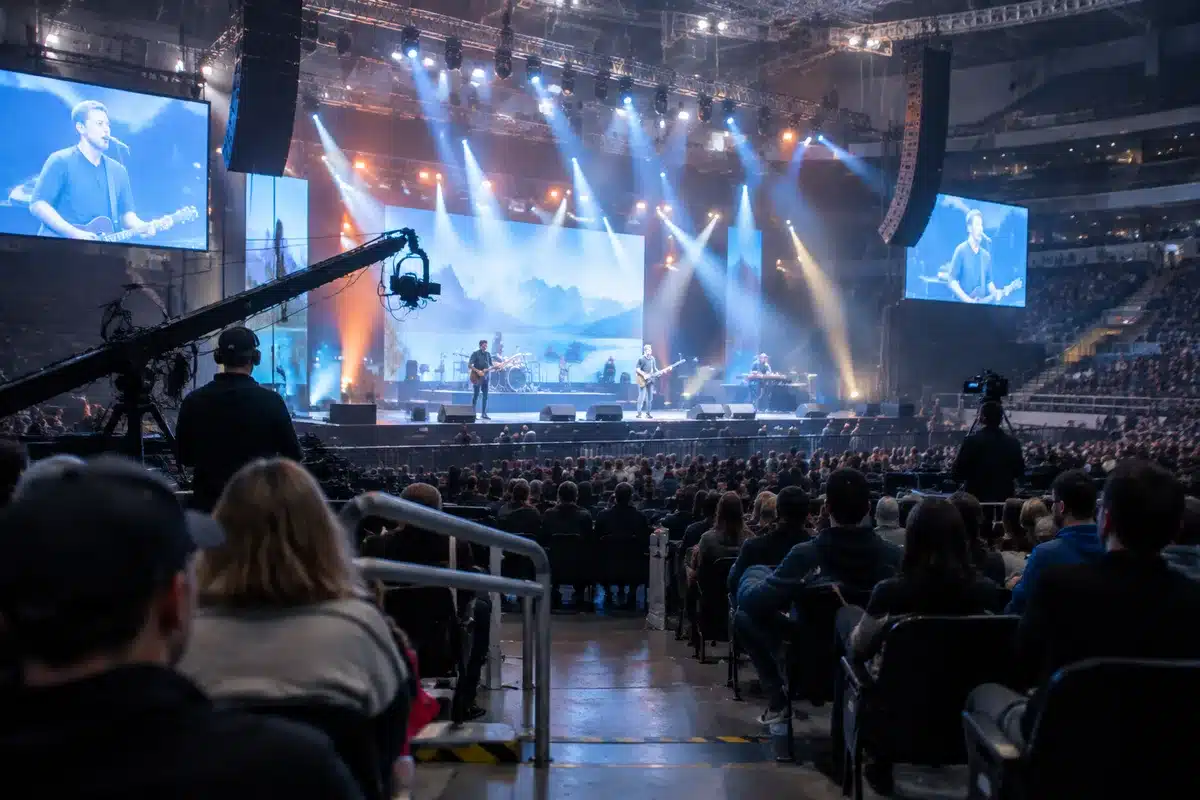
Telemundo aired last night’s live telecast from Miami’s James L. Knight Center, turning the in-person event into a coast-to-coast television moment. The transmission showcased how live programming still shapes network schedules and draws immediate viewer attention in an increasingly fragmented media landscape.
The production filled the Knight Center’s stage and sent the evening directly into living rooms across the country. Camera crews, presenters and technical staff coordinated in real time to deliver the ceremony without delay.
What happened on air
Broadcast as a live event, the ceremony combined stage presentations, interviews and audience reactions into a continuous feed. Viewers watching on Telemundo experienced the evening as it unfolded, rather than through edited highlights.
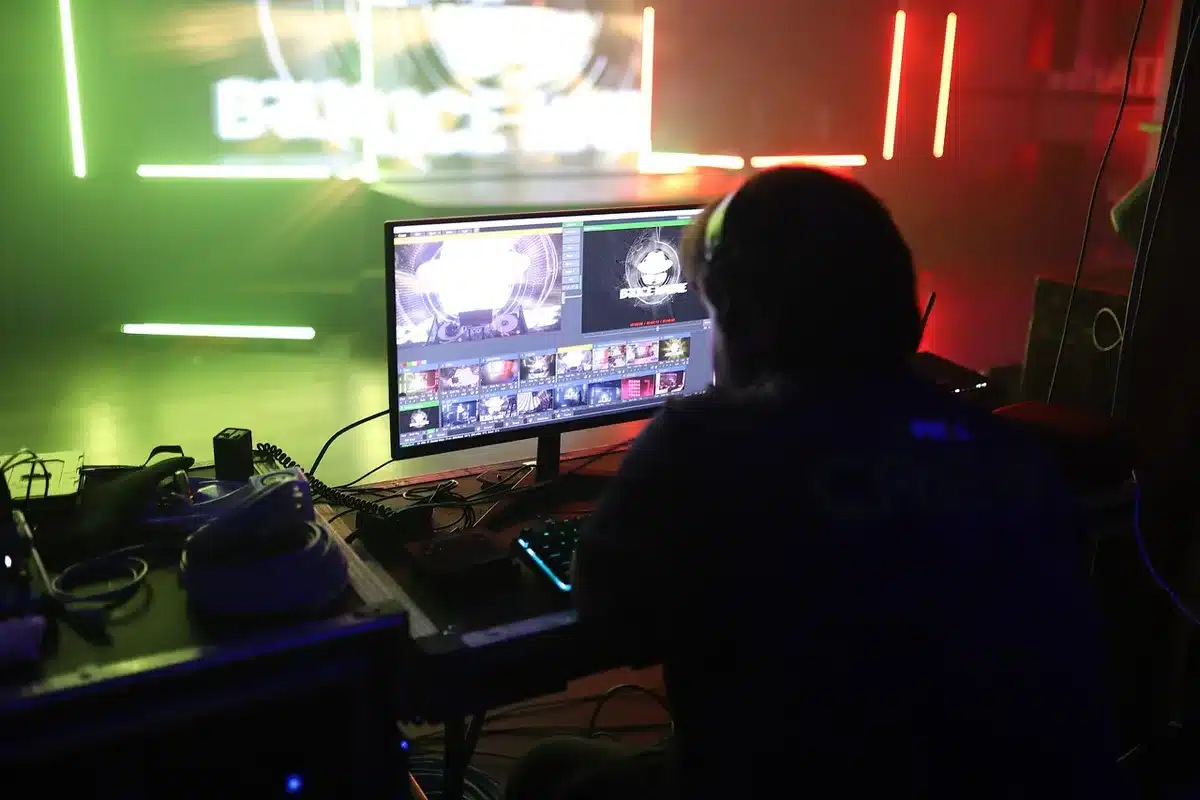
Live transmission places extra pressure on timing and contingency planning—everything from cueing graphics to sound checks must be executed on schedule. For networks, that immediacy is also an advantage: live events create moments that are difficult to replicate on streaming platforms.
Why this matters now
In a media environment dominated by on-demand content, a live network broadcast still offers unique value. It provides:
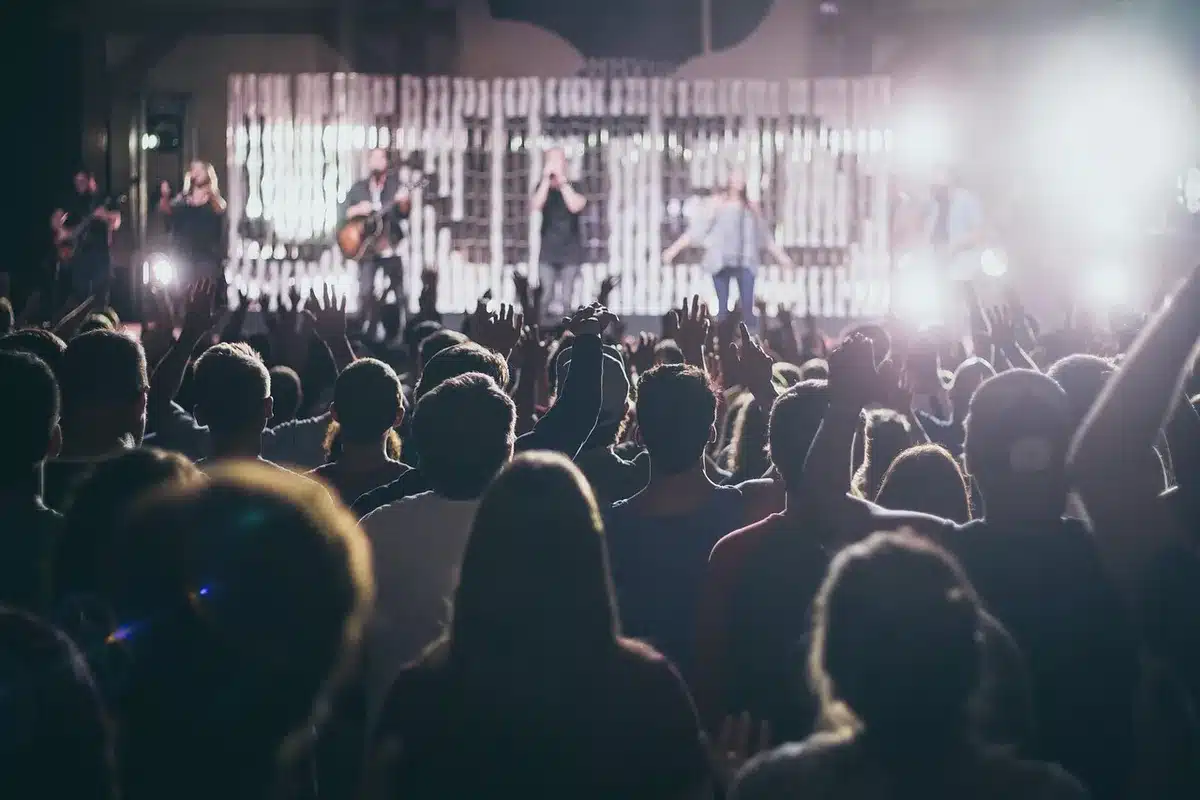
- Real-time engagement — audiences watch simultaneously, increasing the chance of shared conversation and social media traction.
- Advertising opportunities — live broadcasts command attention from advertisers seeking guaranteed, time-sensitive exposure.
- Local economic impact — events staged at venues like the James L. Knight Center draw vendors, crew and attendees into the city.
For Spanish-language networks, carrying high-profile live programming reinforces their role as primary broadcasters for major cultural and entertainment moments within Hispanic communities.
Behind the scenes
Staging a live telecast at a mid-size arena requires tight coordination between network producers and venue operators. Lighting rigs, transmission uplinks and on-site editing suites all must function seamlessly to avoid on-air interruptions.
Security, crowd management and health protocols add layers of complexity, especially when large audiences are present. Those details are invisible to viewers but central to a safe, successful broadcast.
As television audiences continue to fragment, live events remain a reliable anchor in network schedules. Telecasts like last night’s demonstrate that, despite shifting habits, there is still a clear place for real-time programming that unites viewers at a single moment.