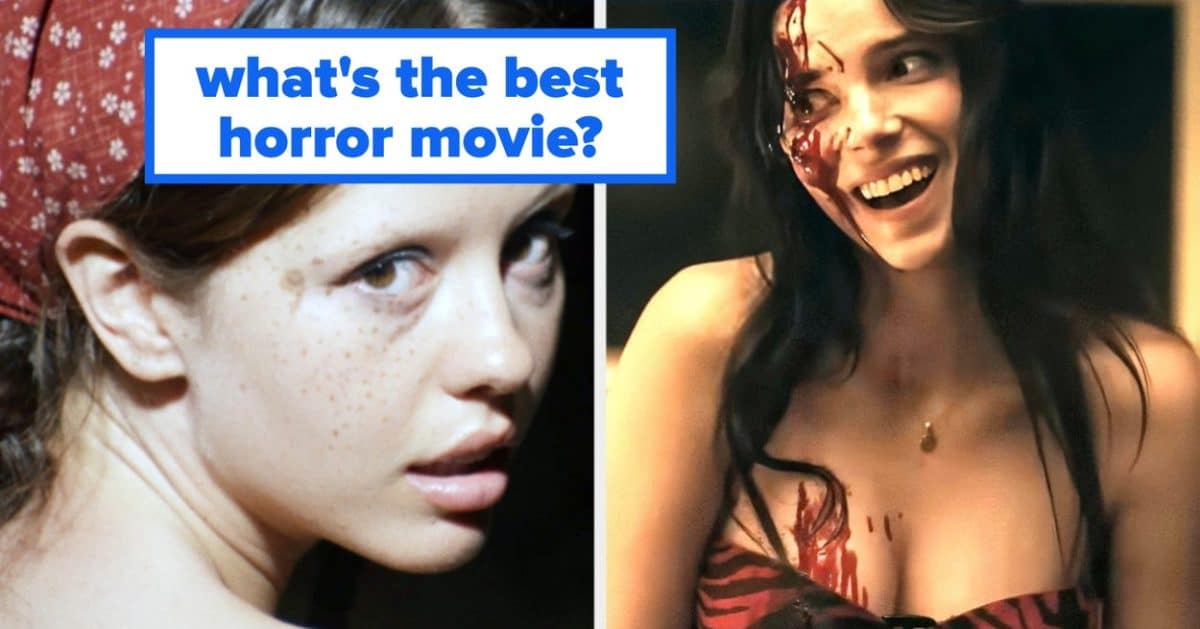
With Halloween around the corner, debates about which horror films truly deserve a place in the canon flare up again. This editorial ranking sorts 32 standout horror movies by the yardsticks that matter most today: cultural influence, technical craft, and the ability to unsettle long after the credits roll.
Why this matters now: streaming platforms and seasonal programming have made these titles easy to revisit, and newer releases have shifted how audiences judge what makes a film terrifying. Below I explain the criteria used, then offer a ranked list that balances historical importance with contemporary taste.
How we ranked these films
- Legacy — Did the movie change the genre or inspire imitators?
- Craft — Direction, cinematography, sound design and performances.
- Emotional impact — The lasting feeling a film leaves: dread, shock, sadness.
- Contemporary relevance — Does the film still feel urgent or compelling to modern viewers?
The list below orders 32 films from “Absolute Best” to “Definitely The Worst” according to those criteria. Short notes indicate why each title sits where it does; every selection has a defensible claim on influence, artistry or legacy.
- The Exorcist (1973) — A seismic cultural event whose technical bravura and raw performances still unsettle viewers.
- Psycho (1960) — Hitchcock’s structural audacity and the shower scene rewired cinematic suspense.
- The Shining (1980) — Kubrick’s ambiguous, slowly accumulating terror has become a perennial point of analysis and debate.
- Alien (1979) — A masterclass in atmosphere that blends horror and sci‑fi into a claustrophobic nightmare.
- Halloween (1978) — Carpenter’s minimalist score and relentless stalking redefined the slasher template.
- Get Out (2017) — A modern classic that fused social commentary with genre mechanics to powerful effect.
- Hereditary (2018) — A contemporary study in grief and dread, anchored by a performance that carries its escalating horror.
- The Thing (1982) — Practical effects and paranoia combine into one of the genre’s most effective slow‑burns.
- Nosferatu (1922) — An early, influential expressionist vision that still informs vampire aesthetics.
- Rosemary’s Baby (1968) — A claustrophobic, urbane thriller that made everyday spaces feel suspect.
- Night of the Living Dead (1968) — A low‑budget landmark that reframed monsters and social anxieties for modern audiences.
- Jaws (1975) — Spielberg’s summer thriller changed how mainstream cinema uses suspense and sound to terrorize a mass audience.
- The Texas Chain Saw Massacre (1974) — Raw, relentless, and fiercely influential in shaping extreme horror aesthetics.
- The Silence of the Lambs (1991) — Blending procedural precision with psychological dread, it crossed genre lines into mainstream acclaim.
- The Ring (1998, Japan) — A quiet, image‑driven nightmare that launched a wave of J‑horror remakes and imitators.
- The Babadook (2014) — A psychological, performance‑led piece that uses horror to explore grief and motherhood.
- Let the Right One In (2008) — A tender, spare vampire story that balances atmosphere with emotional depth.
- It Follows (2014) — A simple, chilling premise executed with sustained tension and a memorable synth score.
- Carrie (1976) — De Palma’s operatic approach to adolescent cruelty remains powerful and unsettling.
- The Wicker Man (1973) — An eerie folk horror whose ambiguity and cultural portrait endure.
- Suspiria (1977) — Argento’s color‑soaked, sensory assault remains a touchstone for stylistic horror.
- Midsommar (2019) — Daylight dread and ritualized unease make this a standout in modern folk horror.
- 28 Days Later (2002) — A kinetic reinvigoration of the zombie subgenre with political and emotional edge.
- The Descent (2005) — Tight, subterranean claustrophobia married to strong ensemble acting.
- Scream (1996) — Meta commentary and savvy genre deconstruction that revitalized the slasher for a new era.
- Paranormal Activity (2007) — A microbudget phenomenon that resurrected found‑footage scares for mainstream audiences.
- Saw (2004) — A brutal, puzzle‑driven entry that launched a long‑running franchise and split audiences.
- Insidious (2010) — Effective jump scares and a memorable score helped make it a modern haunted‑house staple.
- Candyman (1992) — Urban folklore with social undercurrents, its imagery lingers even as receptions shifted over time.
- Evil Dead II (1987) — A genre hybrid that pairs slapstick energy with visceral horror, influential to filmmakers who followed.
- Shaun of the Dead (2004) — A genre comedy that respects its zombies and also uses them to explore friendship and routine.
- Poltergeist (1982) — A suburban supernatural fable with high production values and enduring set pieces.
Rankings like this are inevitably subjective. What counts as the “best” depends on whether you prize innovation, pure fright, cultural reach or emotional resonance. Some films on this list score highly for historical influence even if they’re not the most frightening on a first watch.
How to make your own ranking
If you want to build your personal ordering, consider keeping these points in mind:
- Weigh long‑term influence against immediate impact.
- Watch with fresh eyes: viewing technology and expectations change how a film plays.
- Talk with other fans — debates often expose blind spots and new appreciation.
Want to argue a different order? Share your top ten and why — these conversations reveal as much about the genre’s future as its past. In the weeks ahead, streaming schedules and new releases will keep shifting the conversation, so this list is a snapshot, not a final verdict.