Aubrey O’Day criticized a new NBC News investigation that alleges Sean “Diddy” Combs has been living with special privileges inside a low-security federal facility, calling the situation corrosive to the idea of prison as a place for reform. The report — posted on social platform X by journalist Chloe Melas — includes video and testimony that, if accurate, raise fresh questions about how federal prisons handle high-profile inmates.
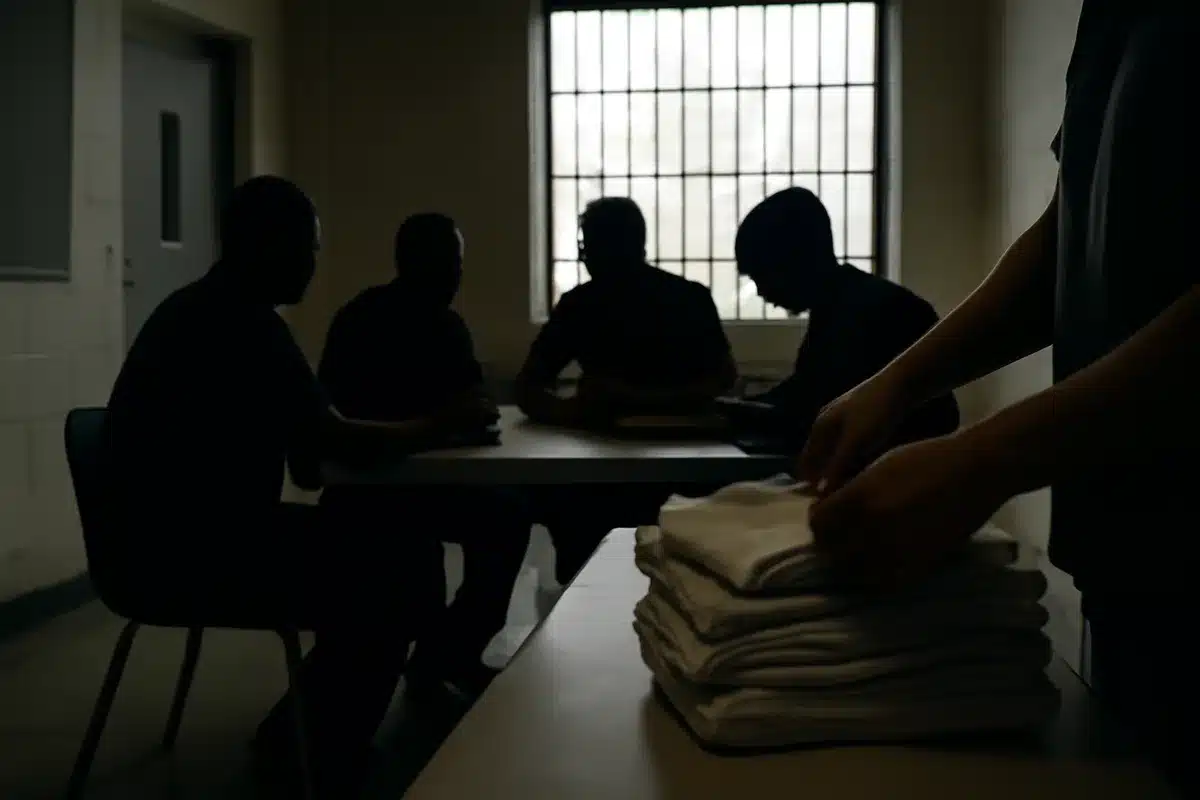
NBC’s reporting, based on interviews with several former inmates and reviewed images and footage, portrays an environment at Fort Dix where Combs reportedly had access to comforts and prohibited items not typically available to the general population. Sources described fellow inmates preparing meals for him, doing his laundry and providing massages in a communal unit. Investigative materials reviewed by the outlet also include images that appear to show a contraband cellphone in use and suggest access to alcohol and other banned items.
O’Day, who rose to prominence as a member of Danity Kane after appearing on Combs’ reality series Making the Band, responded on X after Melas posted the investigation. She thanked the reporter and argued the situation exposes a wider failure of the penal system — saying such arrangements feel more like a vacation than rehabilitation and risk producing a more hardened offender upon release.
- Allegations: Inmate-served meals, laundry help, Chinese-style massages, photographs and video of a mobile phone in use, and reported access to alcohol.
- NBC sources: Four men who said they spent time in the same unit as Combs provided firsthand descriptions to the newsroom.
- Combs’ team: A spokesperson called attention on living conditions “excessive” and emphasized Combs is continuing to serve his sentence while the appeal is pending.
- Bureau of Prisons: Declined to comment on specifics but acknowledged that contraband remains an ongoing challenge across federal facilities.
Prison officials have long warned that contraband — from phones to alcohol — undermines safety and complicates rehabilitation efforts. Critics say celebrity status can magnify those problems by creating incentives for special treatment or lax oversight; defenders argue individual claims require careful verification and due process.

Combs was transferred to Fort Dix in October 2025 after receiving a 50‑month federal sentence for convictions related to transporting people across state lines for prostitution; he was acquitted of racketeering and sex‑trafficking counts. His team is pursuing appeals that could affect the length and conditions of his confinement.
Beyond the immediate allegations, the case highlights broader stakes: whether federal institutions enforce rules uniformly, how contraband flows into prisons, and whether current policies promote genuine rehabilitation or simply protect some inmates from the full consequences of incarceration.
O’Day’s public reaction continues a pattern of commentary she’s offered throughout Combs’ legal saga. In her post she urged scrutiny of the difference between true rehabilitation and what she described as privileged accommodations that leave the system “broken” and may not serve public safety.