Millennial nostalgia has become a mainstream cultural current again — from streaming revivals to fashion throwbacks — and the 2000s keep resurfacing in unexpected ways. Below are 20 lesser-known pop-culture details from that decade that explain why those trends still matter for media, tech and entertainment today.
Why these details still matter
Many developments from the 2000s seeded industries we rely on now: social platforms that shaped discovery, early streaming experiments that rewired distribution, and youth-driven trends that later became mainstream. Understanding these moments helps explain current reboots, algorithmic revivals and why brands mine that era for authenticity.
- Myspace’s music engine: Before streaming algorithms, Myspace was a primary discovery platform for unsigned bands — its customizable profiles and embedded songs helped acts like Arctic Monkeys and Lily Allen gain traction internationally.
- YouTube’s birth in 2005 didn’t just create creators; it rewired how fan communities form, turning amateur uploads into cultural touchpoints and accelerating grassroots fandoms around TV, music and comedy.
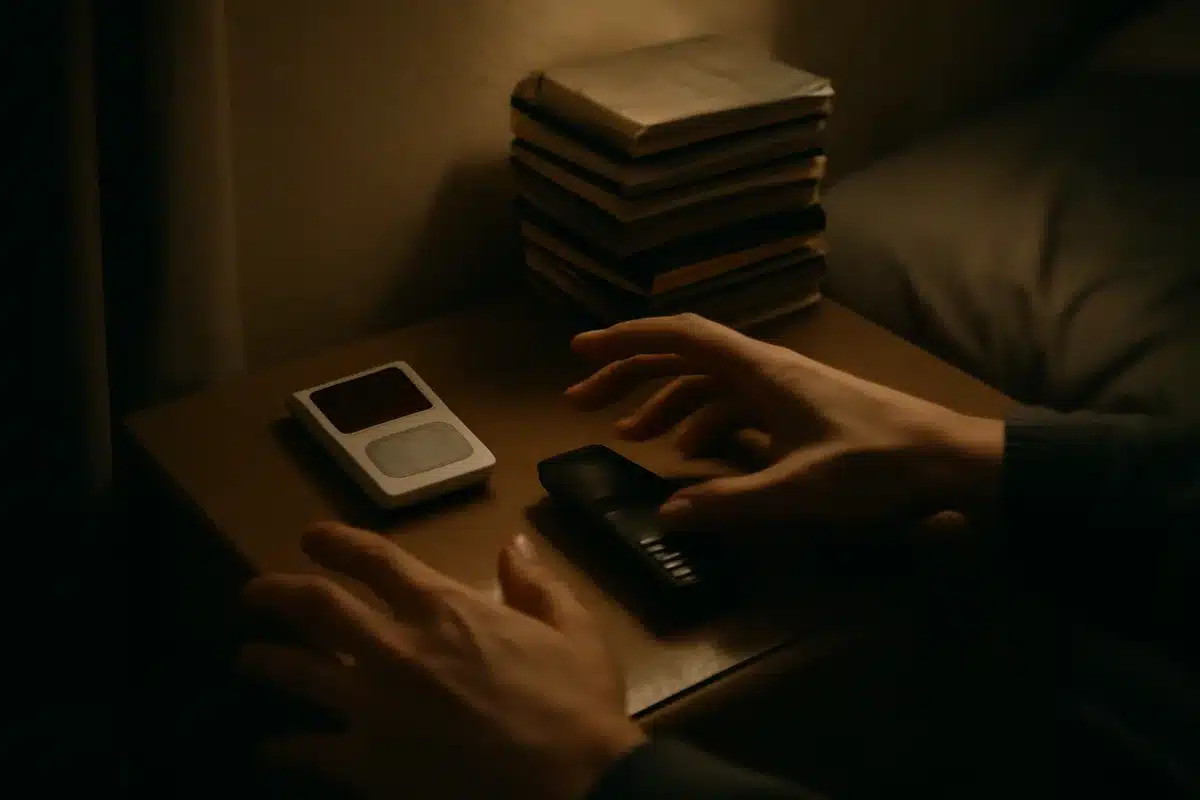
- Apple’s iPod (2001) mainstreamed portable listening and set expectations for seamless libraries, paving the way for later streaming services to focus on experience over ownership.
- Peer-to-peer file sharing and the subsequent RIAA lawsuits in the early 2000s forced the music industry to rethink monetization — a chain reaction that led to legal digital stores and eventually to subscription streaming.
- Netflix quietly tested streaming in 2007 after years as a DVD-by-mail service; that pivot, born in the 2000s, is the origin story for today’s on-demand TV landscape.
- Reality TV’s early-2000s boom — shows such as Survivor and American Idol — transformed audience participation, turning appointment viewing into interactive fan economies and talent-launching platforms.
- MTV’s Total Request Live remained a tastemaker into the mid-2000s, but its decline mirrored the fragmentation of music discovery across sites and later, social apps.
- BlackBerry devices dominated business communication and introduced many to mobile email; their rise foreshadowed the smartphone-first work habits that now underpin remote workflows.
- The “ringtone economy” of the mid-2000s generated billions as consumers paid for short clips of pop songs — an early experiment in microtransactions that advertisers and platforms would later replicate in other formats.
- DVDs were in their commercial prime: bonus features, director commentaries and deleted scenes created a culture of collector fandom that streaming catalogs still struggle to replicate.
- Peter Jackson’s Lord of the Rings trilogy and the Harry Potter films turned midnight premieres into global watermarks for franchise fandom, shaping modern blockbuster release strategies.
- Podcasts began to move from niche to notable in the late 2000s after easier production tools and RSS distribution made episodic audio more accessible to creators and listeners.
- Early social bloggers and gossip sites, launched mid-decade, shifted celebrity coverage away from traditional outlets and taught audiences to expect constant updates and instant scoops.
- Console online multiplayer took off in the 2000s with services like Xbox Live, normalizing persistent, social gaming experiences that now overlap with streaming culture and esport economies.
- Fashion cycles that defined the era — think low-rise jeans, velour tracksuits and logo-heavy accessories — are resurfacing, proving how quickly visual cues can be recycled for new audiences.
- High-definition television adoption accelerated through the 2000s, changing production values and audience expectations for picture quality across film and broadcast.
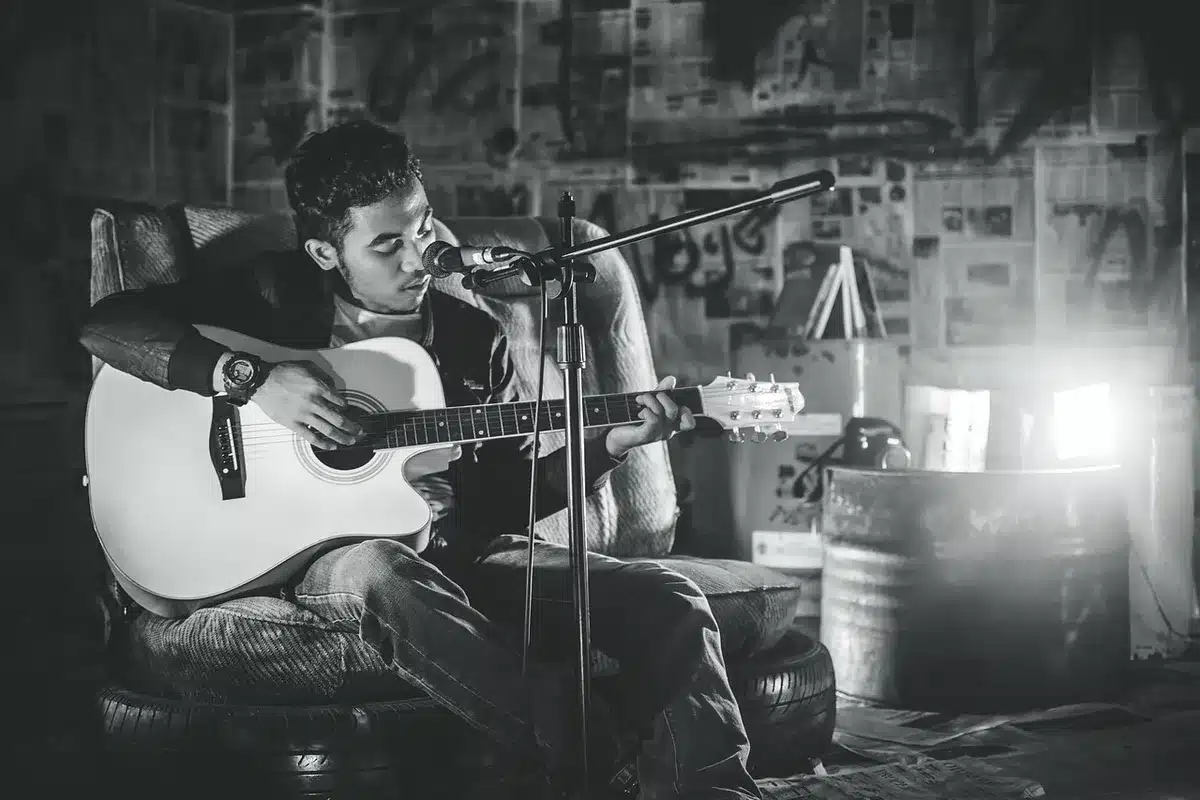
- Band formation and promotion increasingly happened online: acts that leveraged fan-shared demos or early social profiles could bypass gatekeepers and build direct relationships with listeners.
- A surge in branded content and early influencer culture emerged as celebrities and companies experimented with cross-platform promotion, setting patterns that would later define native advertising.
- Several prestige TV shows that shaped modern serial storytelling aired or concluded in the 2000s, laying groundwork for the serialized, character-driven dramas streaming services now commission.
- Texting and mobile-first communication changed social norms — concise messages and abbreviations from SMS culture influenced how younger creators format content for smaller screens today.
These snapshots are not nostalgia for nostalgia’s sake. They trace how audiences, creators and companies learned to communicate, monetize and build community in a fragmented media environment — lessons that still inform decisions by studios, labels and platforms.
What to watch next
Expect streaming platforms and social apps to keep mining 2000s-era IP, aesthetics and distribution models. Reboots and nostalgia-driven drops are not simply callbacks; they’re strategic plays that tap pre-existing fan networks and recognizable cultural shorthand.
For readers, these facts explain more than “remember when?” They show how many modern habits — from playlist curation to fandom participation — were incubated during that decade. That context makes current pop-culture cycles easier to predict and more interesting to follow.
Share one of these items with a friend and see which memory sparks the longest conversation — the quickest test of how alive the 2000s still are in today’s cultural imagination.