Think you can identify a Disney character from the smallest visual cue? Try looking down: footwear often carries a story beat or personality trait in animation, and spotting those details can be surprisingly revealing about design, era and character purpose.
As Disney continues to reach new audiences through streaming, theme-park events and nostalgia-driven fashion, these tiny design choices matter more than ever — for fans, collectors and creators alike. Below is a short, playful test that shows how much a single accessory can tell us.
Try the quick shoe test
- Delicate, transparent slipper that glitters under moonlight
- Oversized, rounded yellow footwear with an unmistakable cartoon posture
- Weathered leather boots with a cowgirl/cowboy flair and visible spurs
- Curled, pointed slippers often seen in street-market scenes
- Simple green pointed shoes paired with a jaunty cuff or feather
- Tiny green slippers finished with a white pom-pom
- High-heeled stilettos that echo a dramatic, fashion-forward persona
- Bare feet — often used to suggest freedom, youth or a close bond with the sea
Give yourself a moment to match each description to a name. If you want a hint: focus on era, silhouette and the role the character plays in their story — heroes, villains and sidekicks all get distinct footwear cues.
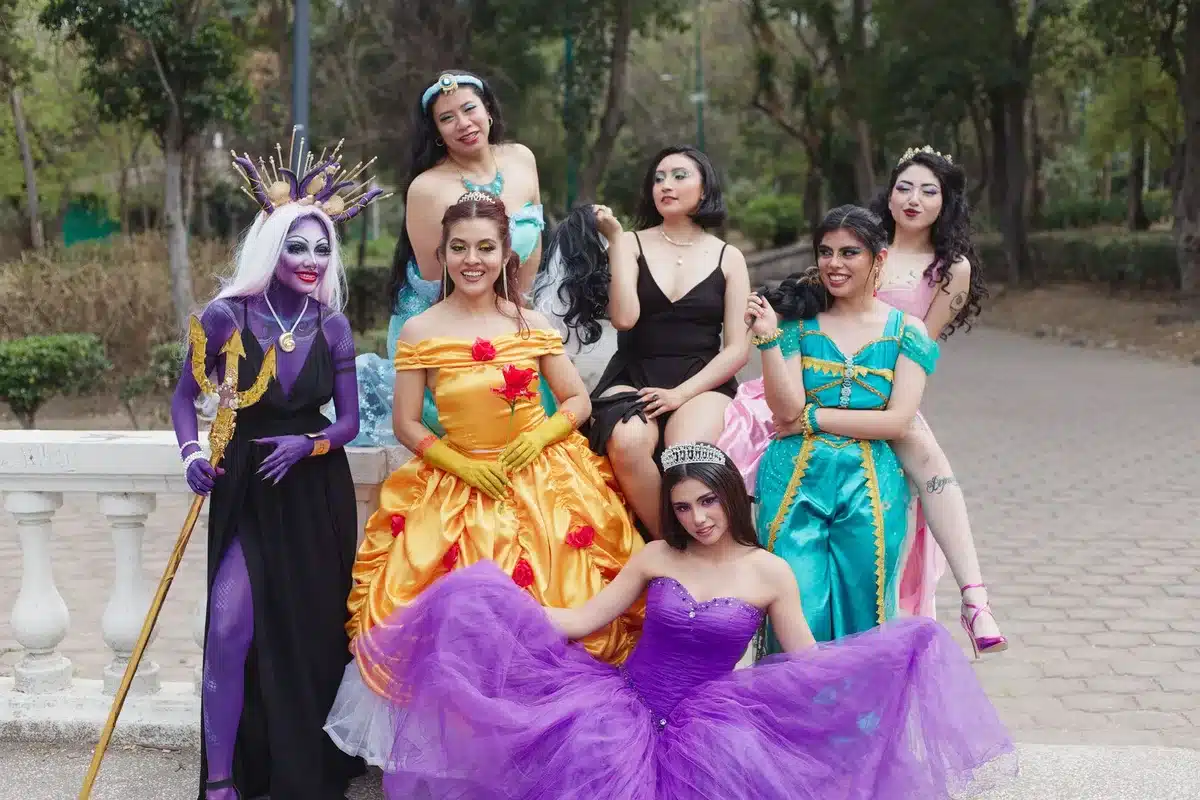
Answers and what the shoes signify
Cinderella’s glass slipper: The translucent, jewel-like shoe functions as a narrative device — delicate, otherworldly and specific enough to identify a single person. It’s a classic example of costume-as-plot.
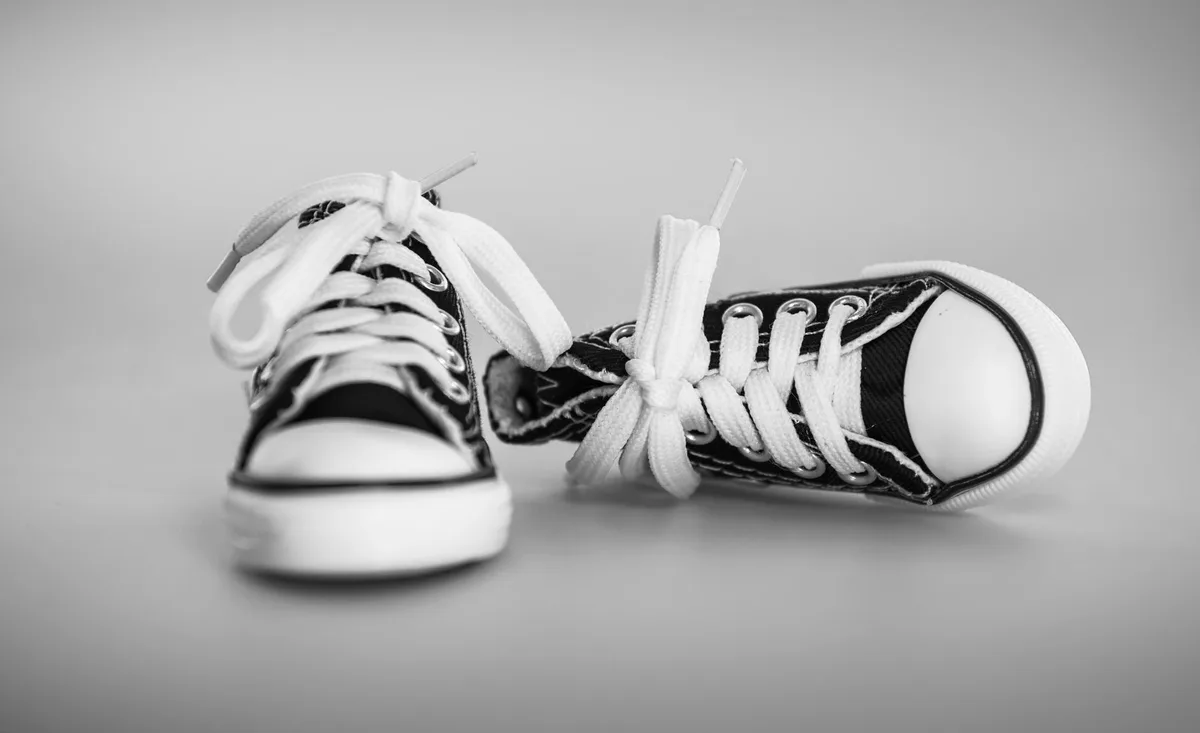
Mickey Mouse’s yellow shoes: Those rounded, exaggerated yellow shoes form part of a compact, iconic silhouette. Simple shapes like this make characters instantly recognizable across formats, from stickers to streaming thumbnails.
Woody’s cowboy boots: Scuffed leather and spurs tell you right away about setting and personality: practical, nostalgic and rooted in a particular American archetype. In merchandising, those boots help sell the character’s backstory as much as his face does.
Aladdin’s pointed slippers: The curled-toe style evokes a folkloric, historically inspired look that helps place a character within a cultural and narrative tradition without explicit exposition.
Peter Pan’s green shoes: Pointed, simple and paired with a feather, they underscore youthfulness and mischievous agility. Costume choices like these support a character’s mythic qualities.
Tinker Bell’s pom-pom slippers: Tiny and whimsical, they reinforce her role as a sprite — lightweight, magical and fashionably playful in miniature.
Cruella de Vil’s high heels: Sharp, dramatic heels signal glamour and menace simultaneously. For many villains, footwear acts as an amplifier of attitude and presence.
Ariel’s bare feet: Choosing not to shoe a character can be just as meaningful. Bare feet suggest a natural, unencumbered relationship with an environment — in Ariel’s case, a literal connection to the sea and a yearning to belong elsewhere.
Why these details are worth noticing
Animated footwear isn’t random. Costume choices communicate time period, class, personality and even plot function without dialogue. For editors, designers and cultural observers, reading those cues helps explain why some characters remain memorable across generations.
For readers, trying this kind of micro-quiz sharpens visual literacy: the next time you watch a film or scroll a streaming grid, small props — shoes included — can reveal more about a character than a single line of dialogue.
Want more of this kind of visual puzzle? Keep an eye on character redesigns in new releases and anniversary collections — they’re a good barometer of how contemporary tastes are reshaping even the smallest elements of classic characters.