Some historical and pop-culture details are so improbable they read like fiction — yet they’re true. Below are ten verified facts that often prompt a double-take, with brief context on why each still matters for how we understand history, institutions and popular brands today.
-
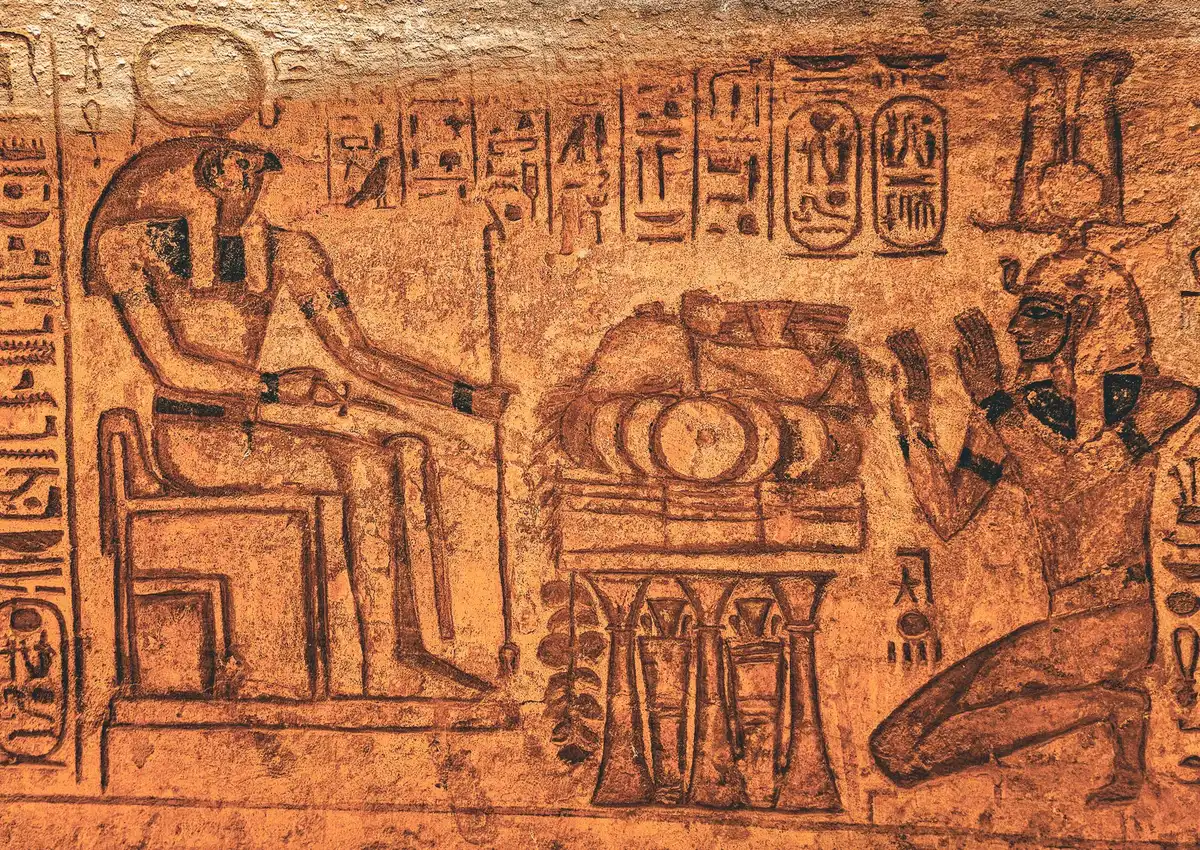
Cleopatra lived closer in time to the moon landing than to the construction of the Great Pyramid.
Cleopatra VII ruled around 30 BC; the Great Pyramid at Giza was completed roughly 2,500 years earlier. The Apollo 11 moon landing occurred in 1969, placing Cleopatra nearer to our contemporary era than to the pyramid’s builders. This counters common intuition about “ancient” timelines and helps readers reassess how we mentally compress millennia.
-
Oxford’s teaching predates the rise of the Aztec Empire.
Evidence of organized instruction at what became Oxford University goes back to the late 11th century, while the Aztec Empire emerged in the 15th century. The detail highlights how institutions can outlive and outlast entire empires — a useful frame when we debate preservation and cultural continuity today.
-
Nintendo began as a 19th‑century playing‑card company, not a video‑game studio.
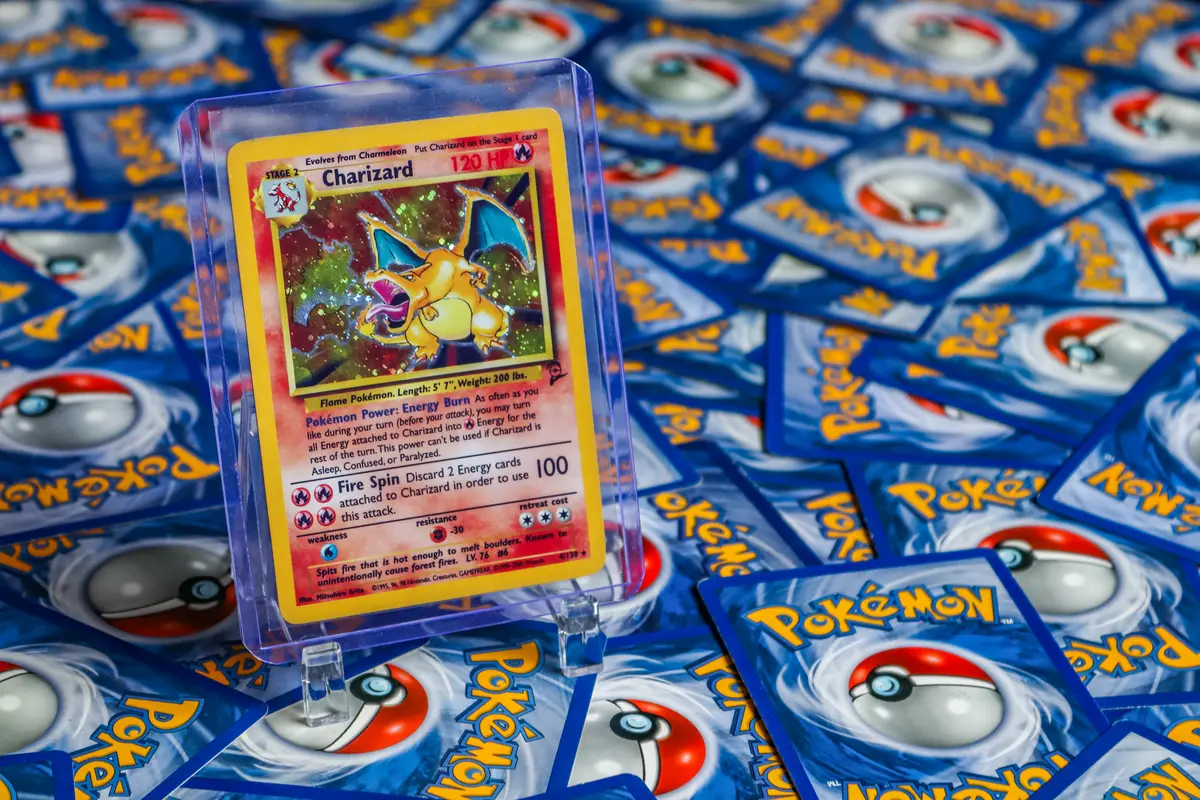
Nintendo began as a playing-card manufacturer in 1889 before becoming a gaming giant. Founded in 1889, Nintendo spent decades making hanafuda cards and other leisure goods before evolving into the video‑game pioneer known worldwide. The company’s long trajectory from modest manufacturer to global entertainment brand illustrates how familiar names often have surprising, pre‑digital origins.
-
The Anglo‑Zanzibar War was effectively over in under an hour.
In 1896 a succession dispute on the island of Zanzibar culminated in a British ultimatum and a short naval bombardment; hostilities lasted roughly 38 to 45 minutes. The episode is a stark example of how colonial power imbalances produced outcomes that now read as shockingly abrupt and asymmetric.
-
One man survived both atomic bombings in Japan.
Tsutomu Yamaguchi was in Hiroshima on business when the first bomb fell, returned to his hometown of Nagasaki, and survived the second attack. Officially recognized by the Japanese government decades later, his story personalizes the atomic era and reinforces why nuclear history remains relevant to current policy debates.
-
Mark Twain’s life was bookended by Halley’s Comet.
Samuel Clemens was born shortly after the comet’s 1835 appearance and died in 1910, around the time Halley’s Comet returned. He himself remarked on the coincidence, and it endures as a literary footnote linking personal narrative to astronomical cycles.
-
The world’s shortest scheduled commercial flight takes less than a minute.

The world’s shortest commercial flight connects two Scottish islands in under two minutes. The hop between Westray and Papa Westray in Scotland covers about 1.7 miles; typical scheduled time is under two minutes and the record for the route is around 47 seconds. The route raises modern questions about transport equity versus environmental cost in remote communities.
-
The inventor of the Pringles can asked to be buried in one.
Food scientist Fred Baur, who perfected the Pringles packaging in the 1960s, requested that some of his ashes be placed inside a Pringles tube after his death. His family honored that wish — a quirky intersection of personal identity and brand legacy.
-
Coca‑Cola’s original formula included coca leaf extract.
When John Pemberton developed Coca‑Cola in the late 19th century it used coca leaf derivatives alongside kola nut. The company removed the active cocaine component as regulation and public attitudes shifted, a reminder of how products evolve in response to science and regulation.
-
The “Pig War” began with a shot fired at a domestic hog and ended without human fatalities.
In 1859 a dispute over ownership on the San Juan Islands escalated between American and British authorities after a settler shot a pig. Military posturing followed, but no battle deaths occurred; the incident underscores how small triggers can ignite larger geopolitical standoffs — and how diplomacy sometimes prevents worse outcomes.

Strange facts can be entertaining, but they also sharpen how we read timelines, brands and policy legacies. Each item above is documented in historical records and contemporary accounts; their oddness is a prompt to ask deeper questions about continuity, memory and the stories we accept as true.