Side-by-side images of 51-year-old Hannah Waddingham — one described online as unretouched and another from her new television appearance — have reignited a broader debate about the routine use of digital “skin softening” in broadcast and streamed programming. The conversation matters now because it touches on how aging, authenticity and production techniques shape what viewers accept as a believable portrayal on screen.
Social media users and entertainment commentators flagged a noticeable difference in texture and detail between still photographs circulating online and certain frames from the series. That contrast has prompted questions about when and why programs apply smoothing effects, and whether audiences should be told if a performer’s appearance has been digitally altered after filming.
What producers do and why it’s controversial
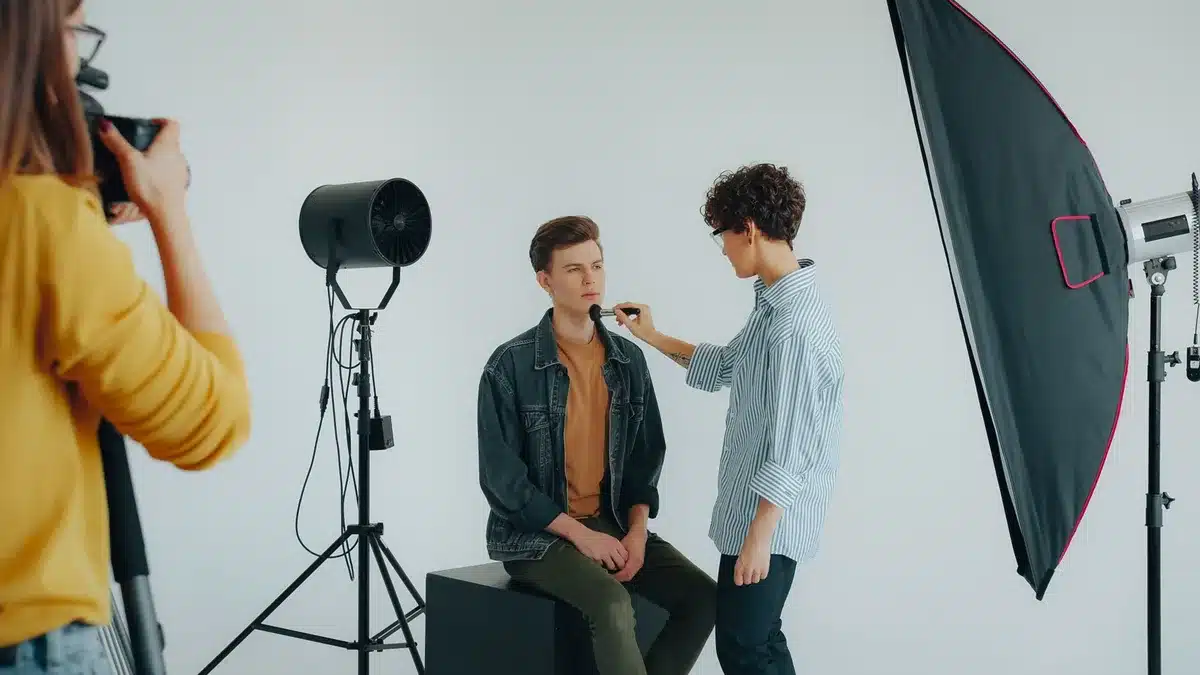
Skin softening — a post-production or in-camera process that reduces visible skin texture — is widely used across film, television and advertising to achieve a polished look. Editors can employ subtle adjustments during color grading, specialized plugins, or live smoothing in multicamera workflows. When applied sparingly, these tools can reduce distracting glints or minor blemishes; used heavily, they can erase the natural signs of aging.

For public figures like Waddingham, who is widely admired for roles that foreground strong, mature women, the debate goes beyond technical craft. Critics argue that heavy-handed smoothing can distort expectations about what middle-aged skin looks like and contribute to narrower standards of beauty on screen. Supporters of the practice reply that production choices fall under creative direction and should be judged like wardrobe or lighting.
Key considerations for viewers and broadcasters
There are practical and ethical angles to this conversation. From a production standpoint, smoothing tools can save time and budget by avoiding reshoots or extensive makeup work. From a public-interest standpoint, transparency matters: when viewers assume they are seeing an actor’s unaltered face, undisclosed edits can erode trust.

| Aspect | Typical use | Viewer concern |
|---|---|---|
| Skin softening | Smoothing fine lines, evening skin tone during color correction | May mask natural aging and set unrealistic expectations |
| Live smoothing | Applied in multicamera broadcasts to maintain consistent appearance | Harder to detect and harder to disclose in real time |
| Non-digital techniques | Makeup, lighting, lenses | Those changes are visible on set and more easily contextualized |
Industry trends and regulatory context
Requests for clearer labeling of retouched images have grown in recent years, led by concerns about mental health and consumer protection in advertising. While advertising regulations in several markets now require disclosure when photos have been materially altered, rules for editorial and entertainment content are less consistent.
Broadcasters and streamers face a practical choice: either continue to rely on established craft techniques without explicit disclosure, or adopt new transparency standards that inform viewers how on-screen appearances were produced. The latter path may encourage greater trust but would require new workflows and possibly cultural changes inside production teams.
For celebrities whose public image intersects with conversations about age representation, the stakes are especially high. The Waddingham example has drawn attention not only because of the actress’s profile but because it highlights a wider pattern: middle-aged performers are often expected to meet youthful visual norms, whether through makeup, lighting, or digital touch-ups.
- Production teams can audit their use of smoothing tools and decide on disclosure practices.
- Viewers and critics may push for labels or disclaimers when digital alteration goes beyond routine correction.
- Public discussion can influence how future shows present mature characters — whether toward more authenticity or further polish.
The conversation sparked by the recent comparisons is unlikely to settle overnight. What to watch for next: statements from the show’s production team, any platform policies addressing post-production edits, and whether other high-profile appearances prompt similar scrutiny. In the meantime, the episode has reopened an important debate about how on-screen images shape cultural assumptions about aging and realism.