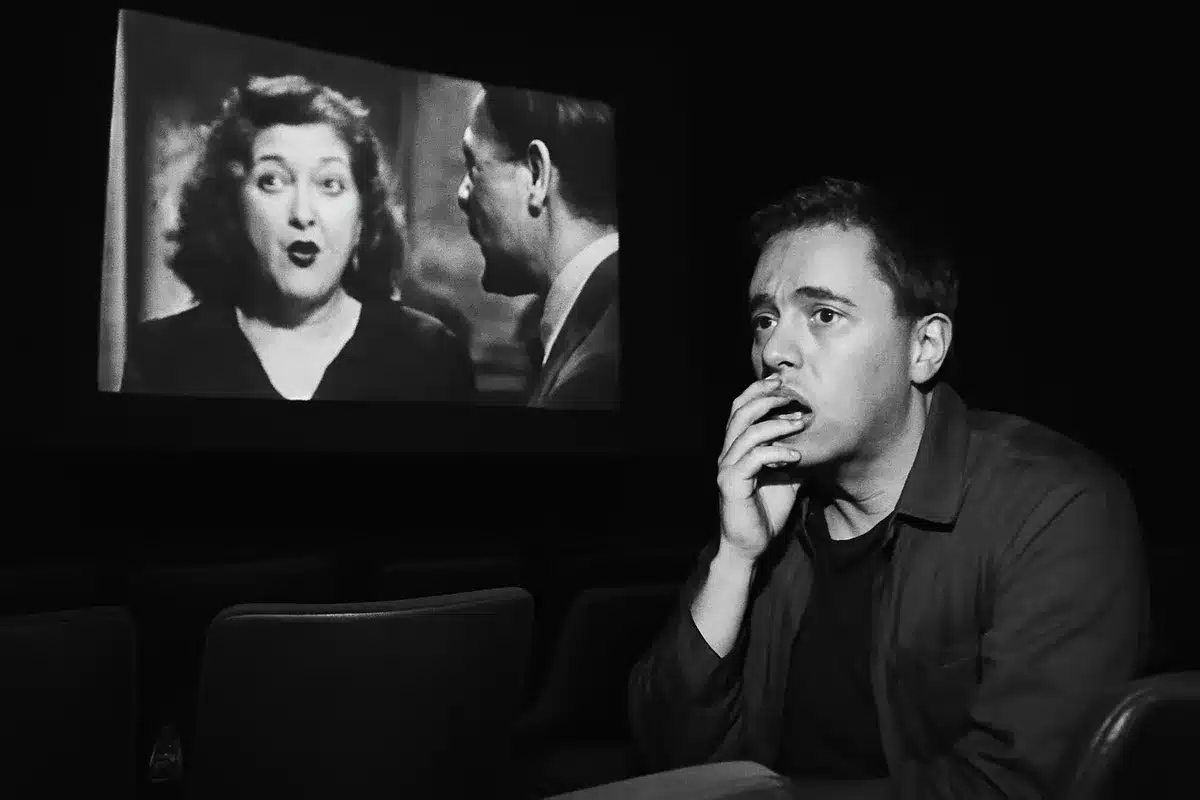
Plenty of movie lines land differently as we get older — a throwaway joke that once drew a laugh can later reveal a cultural reference, a darker subtext, or a piece of shorthand about the real world. These 22 moments are ones viewers commonly say they only fully understood years after first watching.
Below are short explanations for each joke or punchline and why it often flies under younger viewers’ radar today.
Why these jokes take time to click
Often the gap between first viewing and full comprehension comes down to life experience, cultural knowledge, or genre literacy. A child might register comic timing or silly words but miss the historical reference, the adult implication, or the tonal shift that makes the line meaningful.
- Context matters: references to other films, news events, or subcultures need prior exposure.
- Emotional nuance: some jokes rely on irony or bitterness that only reads after life experience.
- Language and slang: malaprops, euphemisms and satire can be invisible until you learn the words’ connotations.
| # | Film | Line or gag | What it really means |
|---|---|---|---|
| 1 | Pulp Fiction | “Royale with Cheese” | A small joke about Europe’s metric system and different names for the same thing — a cultural detail that marks Vincent’s outsider status. |
| 2 | Fight Club | “I am Jack’s…” lines | Borrowed from old magazine personifications of organs; they underline the narrator’s fractured sense of self and dark humor about identity loss. |
| 3 | The Godfather | “I’ll make him an offer he can’t refuse” | A neat euphemism for coercion and violence — the line’s polite surface hides a brutal reality of mob power. |
| 4 | Toy Story 2 | Character joke referencing “I am your father” | A playful nod to Star Wars’ Darth Vader reveal; kids enjoy the gag, but the reference deepens the joke for older viewers. |
| 5 | Shrek | “Ogres are like onions” | More than a punchline — it’s a metaphor about personality layers and expectations, part of the film’s fairy-tale subversion. |
| 6 | The Incredibles | “No capes!” | A meta-comment about superhero practicality and costume tropes; it reads as both joke and industry wink once you know comic-book history. |
| 7 | The Matrix | “Red pill / blue pill” | More than sci-fi choice mechanics — it became a shorthand for choosing truth over comfort, a concept that entered broader cultural conversation later on. |
| 8 | The Princess Bride | “Inconceivable!” / “I do not think it means what you think it means” | Language-based humor: the joke works on two levels — the absurd repetition and the character’s self-unawareness — which adults often appreciate more. |
| 9 | The Silence of the Lambs | “It puts the lotion in the basket” | A line that reads as darkly comic at first but reveals chilling coercion and menace on closer inspection. |
| 10 | Goodfellas | “Funny how?” scene | The mock confusion is a tool of intimidation; what seems like a small joke becomes a look into how threats are delivered in that world. |
| 11 | Back to the Future | “Make like a tree…” (malaprop) | Malapropisms are funny on the surface, but they also show character and era — the grammar slip becomes part of the joke once you notice it. |
| 12 | Die Hard | “Yippee-ki-yay…” | Now a cultural catchphrase, originally a crude cowboy-style taunt; the line’s full flavor often registers only after knowing its history. |
| 13 | The Big Lebowski | “The Dude abides” | What sounds like a casual closing line becomes a philosophical statement about patience and resilience on later viewings. |
| 14 | Frozen | “Let It Go” | A catchy anthem that also functions as a statement about self-liberation and emotional distance — themes that land differently with adult viewers. |
| 15 | The Dark Knight | Joker’s pencil trick | A brutal, almost comedic beat that reveals the Joker’s approach to chaos; the joke’s tension and threat are clearer with maturity. |
| 16 | Raiders of the Lost Ark | “Snakes. Why did it have to be snakes?” | More than a throwaway line: it exposes a character fear and becomes a recurring joke tied to personality and peril. |
| 17 | Toy Story | Sid’s toy experiments | Kids see spooky play; adults can read it as a commentary on creativity, control and the boundary between play and harm. |
| 18 | Casablanca | “Here’s looking at you, kid” | Romantic on the surface, the line’s full weight — nostalgia, resignation and wartime stakes — becomes clearer with context. |
| 19 | American Beauty | Various wry narrator lines | The film’s dark comedy critiques suburban life; its jokes about desire and disillusion read differently as viewers get older. |
| 20 | Mean Girls | “Stop trying to make ‘fetch’ happen” | A joke about how slang spreads and is policed socially — a dynamic that readers recognize better as they watch language trends age. |
| 21 | The Graduate | “Plastics” | A seemingly simple career tip that becomes a symbol for postwar conformity and generational tension when seen through a broader lens. |
| 22 | Anchorman | “I’m in a glass case of emotion” | Melodrama played for comedy — adults often spot the line’s parody of masculine emotional illiteracy more readily than younger viewers. |
These moments share a few common traits: they rely on outside knowledge (other films, historical facts), emotional maturity, or a sense of irony that grows with time. That’s why a rewatch years later can turn a throwaway laugh into a punch that lands harder.
If you enjoy revisiting movies, try watching a favorite film again with these ideas in mind — you might catch a joke you missed the first dozen times.