The 2026 edition of Elements opens this weekend at Pocono Raceway in Long Pond, Pennsylvania, bringing a larger production and a stacked electronic lineup to a site just over 100 miles from New York City. For festivalgoers and the industry alike, this year’s event tests whether an independent producer can scale creatively and financially amid higher costs and unpredictable weather.
From a Brooklyn day-party to a three-day forest festival
What began as a single-day gathering in Brooklyn in 2013 has become a three-day, wooded festival experience in the Poconos. Organizers Brett Herman and Timothy Monkiewicz, supported by a core team and an expanded on-site staff, have reshaped Elements into an event that emphasizes immersive art, participatory camps and music stages tucked into the woods behind the racetrack.
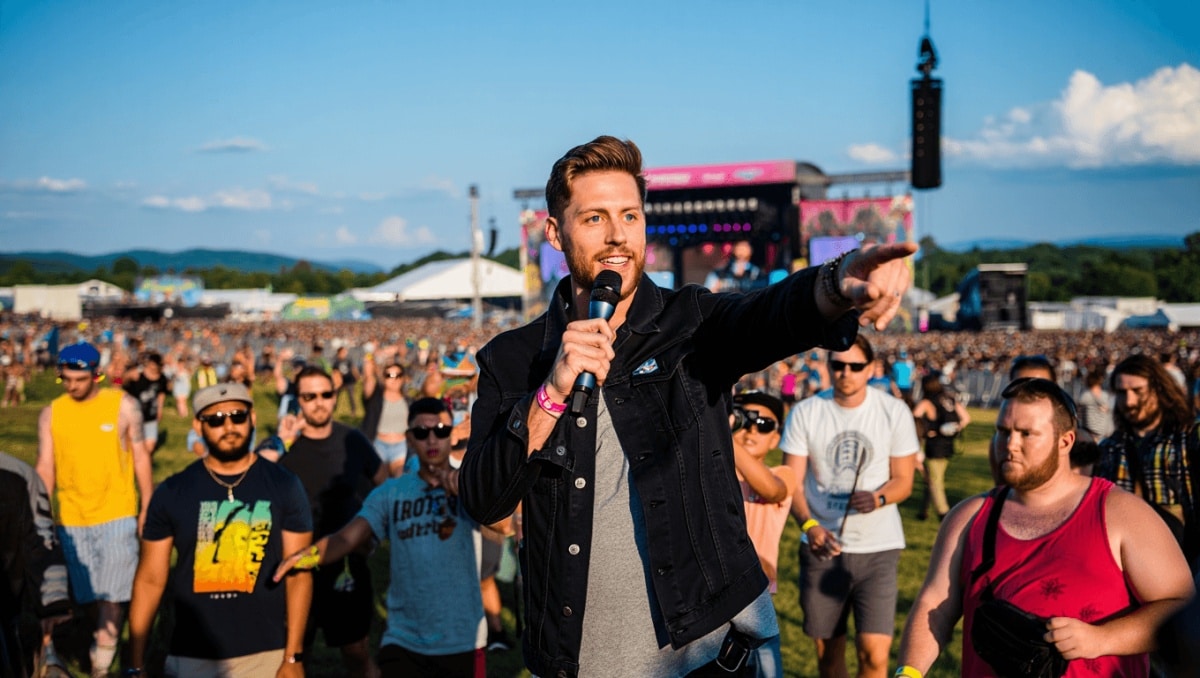
This year’s lineup reads like a who’s-who of dance music: Charlotte de Witte, Chris Lake, Subtronics, Porter Robinson, Of the Trees, Above & Beyond, Cloonee, Excision and Azzeca. Organizers expect as many as 40,000 attendees, up from roughly 33,000 in 2025 — a sign of steady growth but also greater logistical pressure.
What sets Elements apart
The festival leans heavily on atmosphere as much as on headline talent. Permanent art pieces and year-to-year installations let the production amortize costs over time while offering visitors an environment that’s more than a string of stages. That mix—music plus immersive encounters—helps attract top-tier artists who want something beyond a conventional arena set.
Herman describes the event’s identity as intentionally experimental: build bolder installations, add more interactive moments and make each edition feel distinct. The result is a community-focused festival that markets itself less on singular names and more on the overall experience.
- Date and place: Aug. 7–9, 2026, Pocono Raceway, Long Pond, PA
- Expected attendance: up to 40,000
- Headline artists: Charlotte de Witte, Porter Robinson, Above & Beyond, Excision (among others)
- New or upgraded infrastructure: Fire and Earth stages added; Air and Water stages expanded
- Core focus: art, immersive camps, and forest-based experiences
Why survival is not guaranteed
Running an independent festival means confronting rising costs on multiple fronts: artist fees, fuel, staffing and insurance. At the same time, household budgets are strained, which can reduce discretionary spending on live events. The result is a narrow margin that requires careful negotiation and disciplined budgeting.
Instead of relying solely on ticket revenue, the Elements team has prioritized reinvesting in the site—longer-term infrastructure and permanent art—that can be used year after year. That strategy spreads capital costs and allows more ambitious builds without starting from scratch each season, but it requires up-front spending that can be risky in an unpredictable market.
Weather, relocation and lessons learned
Weather has repeatedly shaped Elements’ trajectory. Severe storms and flooding at prior sites prompted a move to the racetrack layout, which organizers say offers more protection and logistical flexibility. Even so, the region’s storms have occasionally forced schedule changes and highlighted the difficulty of staging large outdoor events in the Northeast.
Those disruptions pushed the team to design a site that can better withstand inclement conditions and to plan contingencies for access and crowd flow. The decisions reflect a broader industry lesson: resilience matters as much as creativity when a single storm can upend a weekend.
Industry relationships and the radius-clause balancing act
Proximity to New York creates both opportunity and friction. Promoters often face radius clauses—agreements that limit when an act can play nearby—and negotiating around those constraints takes time. Herman says relationships with booking groups and a reputation for a distinctive experience have helped Elements secure major names despite those challenges.
There’s also an appetite within the live-music community to see independent promoters thrive. For established artists and managers, festivals that offer unique staging, creative freedom and strong production values can be attractive alternatives to stadium appearances.
Looking ahead: incremental growth, big ideas
Organizers say their approach to growth is iterative rather than limitless. Each year the team generates ambitious concepts—some financially unrealistic at first—and then narrows the list to what can be achieved while preserving safety and comfort. The aim is not to become the largest festival, but to be one of the most memorable.
That process has produced what Herman calls an ongoing “upgrade plan”: a pipeline of creative and technical improvements that can be phased in across seasons. Capacity decisions will be guided by how the site feels and functions, not solely by headline attendance figures.
For attendees, the stakes are straightforward: a festival that continues to invest in permanent art and immersive programming can deliver richer returns over time, but those investments depend on stable ticket demand and tight financial management. For the sector, Elements is a test case in whether independently produced, experience-driven festivals can scale sustainably in a crowded market.
As the weekend unfolds, the industry will be watching how Elements balances expansion with resilience—and whether its model offers a blueprint for other independent events aiming to grow without losing what makes them distinct.