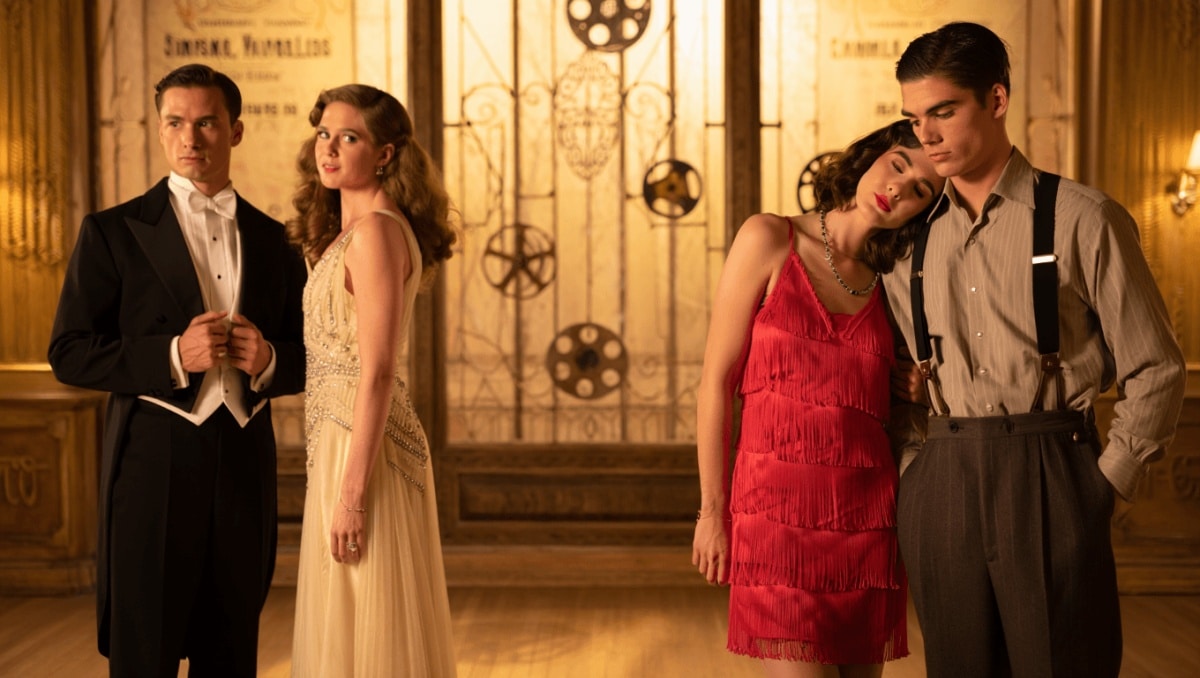
A recently circulated set of vintage Hollywood photographs is drawing fresh attention to how much the film industry — and wider society — has transformed over the past century. These carefully composed and candid images, many pulled from long-forgotten studio archives, offer a plainspoken window into work practices, fashion, and social norms that now feel distant and instructive.
Behind the glamour: what the photos actually show
Far from merely cataloguing famous faces, the images capture routines and details that rarely survive in standard histories: crews laboring on cramped sets, makeshift on-location accommodations, and informal moments between takes. They underline how the era’s industry infrastructure — the studio system, contract players, and tightly controlled press relations — shaped both careers and public perception.
Several photographs also highlight everyday realities that modern viewers might find striking: smoking on set, the use of heavy practical lighting and analog equipment, and hair and costume departments improvising under time pressure. These are not stylized publicity stills but working photographs that reveal process as much as product.
Why these images matter now
They matter because archival visuals do more than satisfy nostalgia; they recalibrate our sense of progress. For contemporary readers interested in labor standards, representation, and technological change, the pictures function as primary evidence of how far industry norms have shifted — and where traces of the past remain.
- Labor and workplace conditions: Scenes of large crews doing heavy physical work remind us that the protections and unions present today were hard-won.
- Gender and image-making: Behind-the-scenes moments show how gender roles were staged and maintained both on and off camera.
- Race and access: The composition of crews and casting choices visible in some frames point to exclusionary practices still under scrutiny.
- Technology and craft: Practical effects, analog cameras, and set construction techniques illustrate how production methods have evolved.
Key themes visible in the archive
The material clusters around several recurring motifs. Some photos emphasize the collaborative nature of filmmaking; others make clear the performative labor involved in crafting star personas. There are also quieter images — candid breaks between scenes, handwritten notes on set lists — that humanize a period often mythologized in studio publicity.
| Type of photograph | Typical content | What it reveals |
|---|---|---|
| On-set candid | Crew adjusting lights; actors in makeup | Production logistics and the physical work behind a scene |
| Location shot | Temporary tents; local extras | Resourcefulness of shoots away from studio facilities |
| Publicity backstage | Stylized poses between takes | Image management and media relations |
| Office or contract paperwork | Signatures, memos | Contractual power and career control |
| Rehearsal frames | Directors and actors in discussion | Creative collaboration before final performance |
| Everyday life | Meals, transportation, lodging | Working conditions and social norms of the era |
From archive to conversation
Archivists and cultural historians emphasize that images like these have immediate value for public debate. They help contextualize current discussions about representation and labor by providing concrete visual evidence of past practices. For journalists and educators, such photographs are tools for tracing continuity and change.
At the same time, the release and display of archival material raise preservation and ethical questions: who controls access, how images are captioned, and whether context is provided to avoid misinterpretation. Responsible presentation requires captions that explain provenance, date ranges, and limitations of what a single image can tell us.
For readers, the takeaway is straightforward: these photographs do more than surprise. They invite a closer look at how the film industry constructed public life and how cultural norms evolved alongside technology and labor movements. Exploring them lets us see familiar stars and long-closed studio stages in a new light — not as static iconography, but as part of a broader, changing industry.