A collection of rarely seen photographs from 20th‑century Hollywood offers more than nostalgia — these frames reframe how we remember the film industry, its stars and the machinery behind the glamour. Seen together, they reveal patterns of fashion, labor, and publicity that still shape entertainment today.
Faces off the marquee
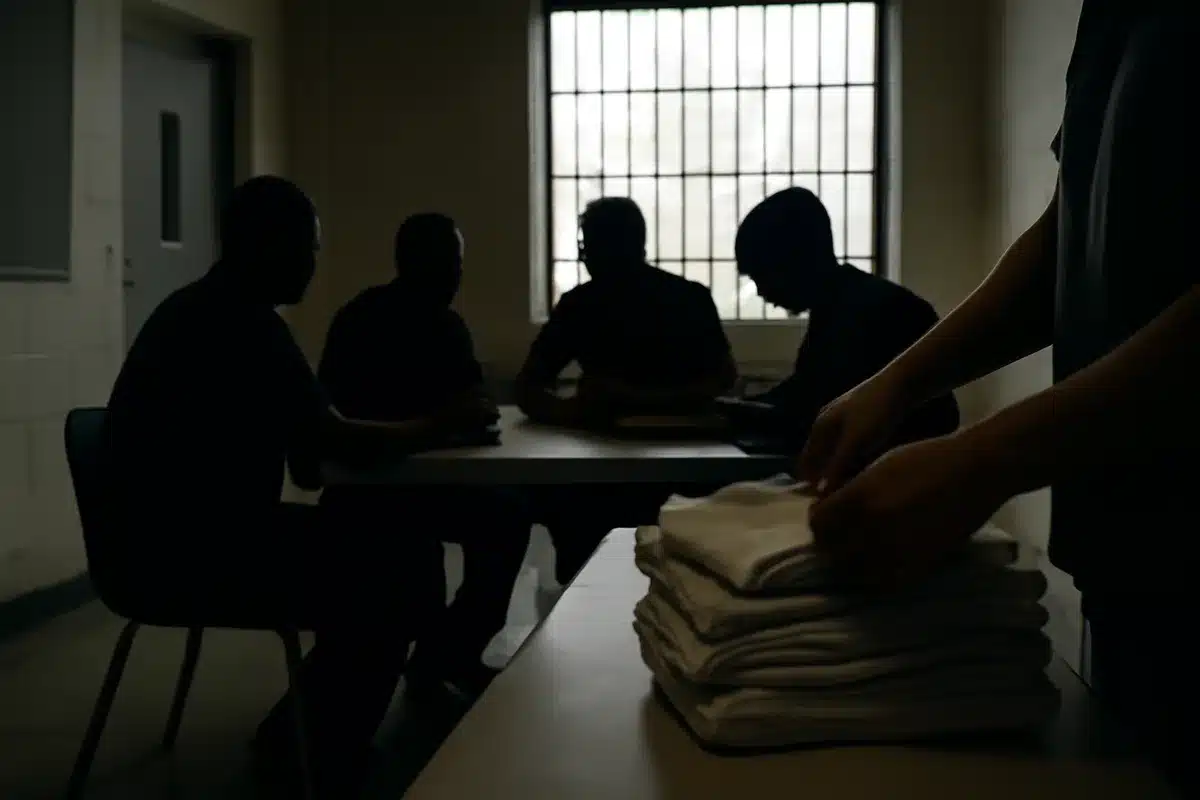
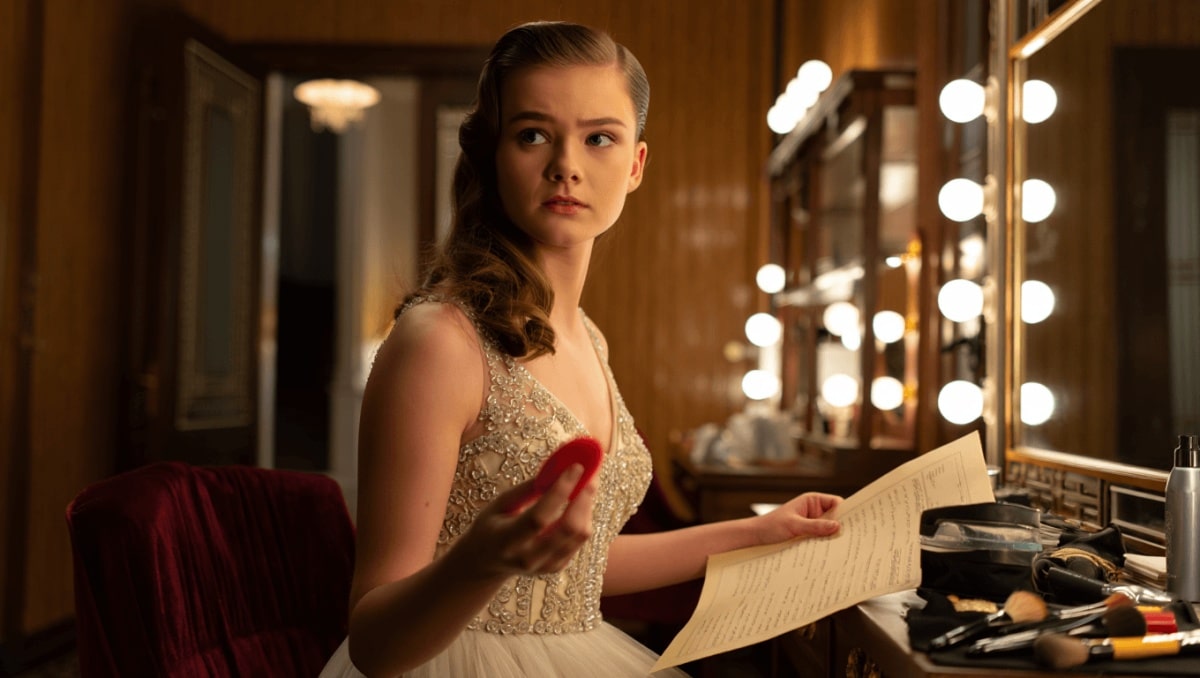
Some of the most striking images are not red‑carpet portraits but candid moments: actors between takes, studio carpenters at work, makeup artists applying the final touches. These snapshots strip away the polished narrative studios sold and show the everyday labor that produced cinematic spectacle.
Photographs like these matter now because they help historians and creators reconnect contemporary audiences with the material processes and social dynamics that shaped early film culture. They also complicate the familiar mythologies that surround legendary names and moments.
Notable themes across the archive
- Studio operations: behind‑the‑scenes shots of soundstages, set construction and camera rigs.
- Publicity craft: staged press images and outtakes that reveal how stars were packaged for release.
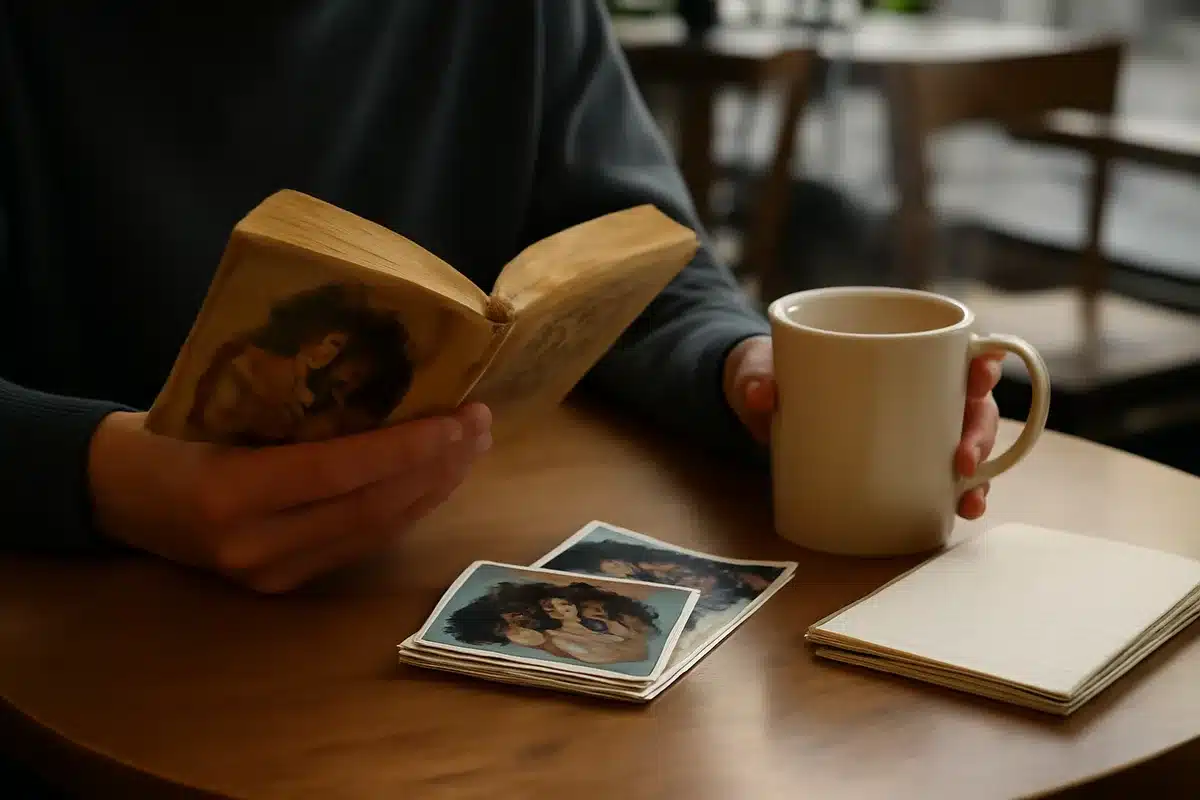
- Private moments: informal portraits that humanize figures commonly seen only in roles.
- Fashion and identity: wardrobe choices and styling cues that influenced wider trends.
- Labor history: images documenting crew members, unions, and the diverse workforce offscreen.
Standout images — ten frames worth lingering on
- Late 1920s studio lot shot: a wide view of stagehands and prosthetics that underlines the scale of early production.
- 1930s publicity outtake: an actor laughing between takes, revealing the rehearsed nature of many promotional images.
- 1940s on‑location portrait: a star in plain clothes, far from the glitz of premieres, pointing to the travel demands of shoots.
- Postwar costume fitting: tailors and seamstresses adjusting a gown, a reminder of the skilled crafts that supported screen personas.
- 1950s candid at a diner: a small circle of performers eating quietly — a rare glimpse of ordinary life amid stardom.
- Black‑and‑white pressroom photograph: a reporter and a publicist collating releases, showing the media machinery around film launches.
- Studio portrait session with elaborate lighting rigs visible: an inadvertent lesson in photographic technique.
- On‑set rehearsal image: directors and actors blocking a scene, capturing the iterative nature of movie‑making.
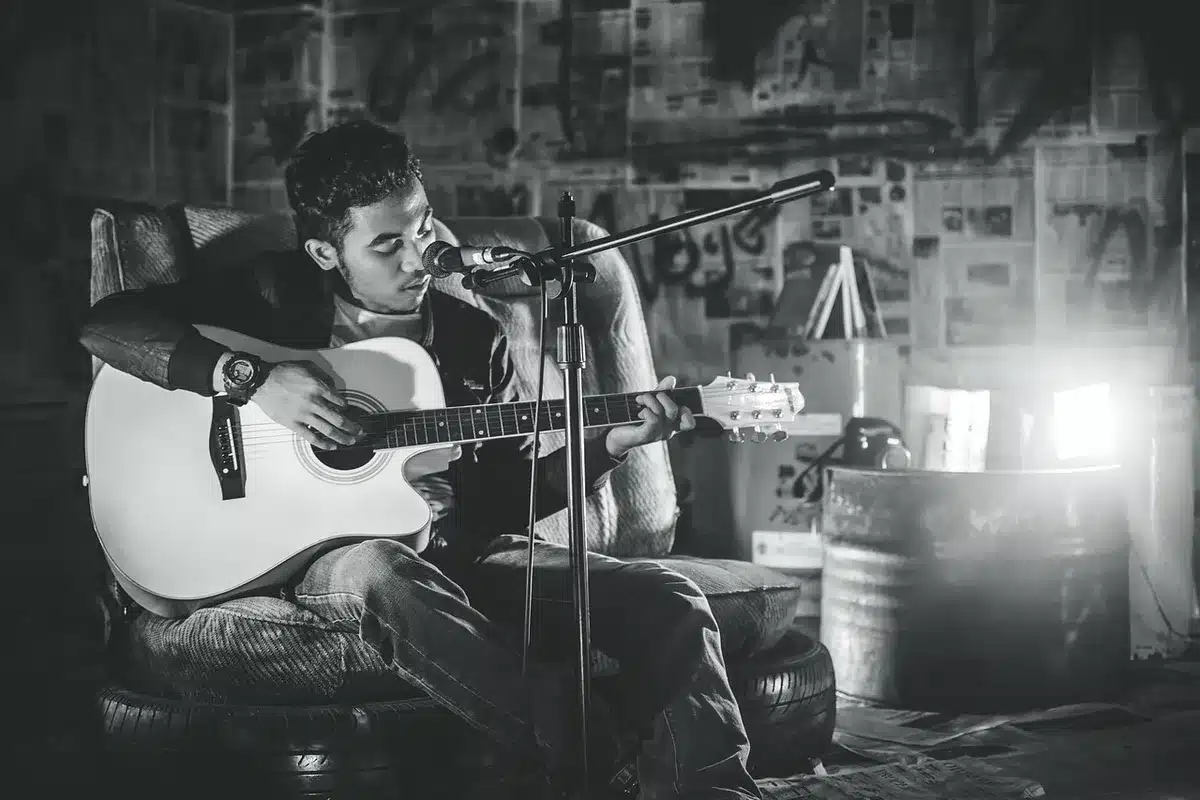
- Backstage theater snap: stagehands and wardrobe mounts in a moment of pause, emphasizing theatrical roots of early cinema.
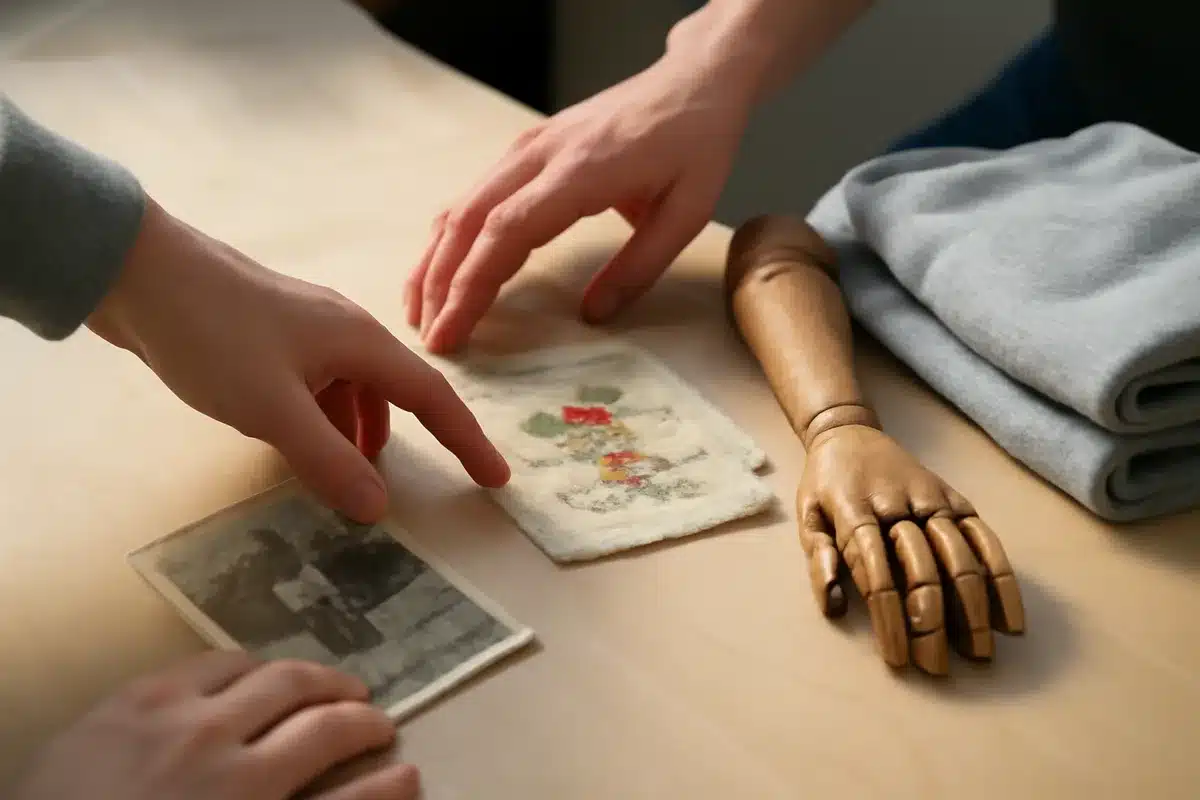
- Late‑century archival still: a preservation technician cataloguing negatives, symbolizing how these materials survive for future study.
What these photographs teach us
Viewed collectively, the images challenge simple narratives about fame. They show industry hierarchies, collaborative labor, and the constant negotiation between art and commerce. For scholars, such photographs are primary sources; for creators, they’re visual lessons in craft; for the public, they offer new empathy toward familiar faces.
| Decade | What the images often reveal |
|---|---|
| 1920s–1930s | Formation of the studio system, technical innovation, public image construction |
| 1940s–1950s | Wartime influence, fashion shifts, growth of location shooting |
| 1960s–1970s | Changing social attitudes, informal portraits, the rise of celebrity culture |
Preservation and perspective
Many of these photographs survive because archives, collectors and families preserved negatives and prints. As institutions continue digitizing holdings, previously unseen images surface and invite reassessment of familiar stories.
That process matters beyond nostalgia: preserved photographs can inform restoration choices, enrich museum exhibitions, and provide historians with evidence about race, class and gender in the entertainment industry. They also influence contemporary visual culture — directors, costume designers and stylists often borrow from archival imagery to craft period accuracy or retro aesthetic.
How to explore further
For readers who want to look deeper, film archives and major libraries maintain searchable collections online. Visiting those portals can reveal contextual captions, production credits, and technical details that turn a striking image into documented history.
Whether you’re a film fan, a researcher, or simply curious about how motion pictures were made, these photographs offer a fresh way to see the 20th‑century entertainment world — not as a string of starstudded myths, but as a layered industry built by many hands.