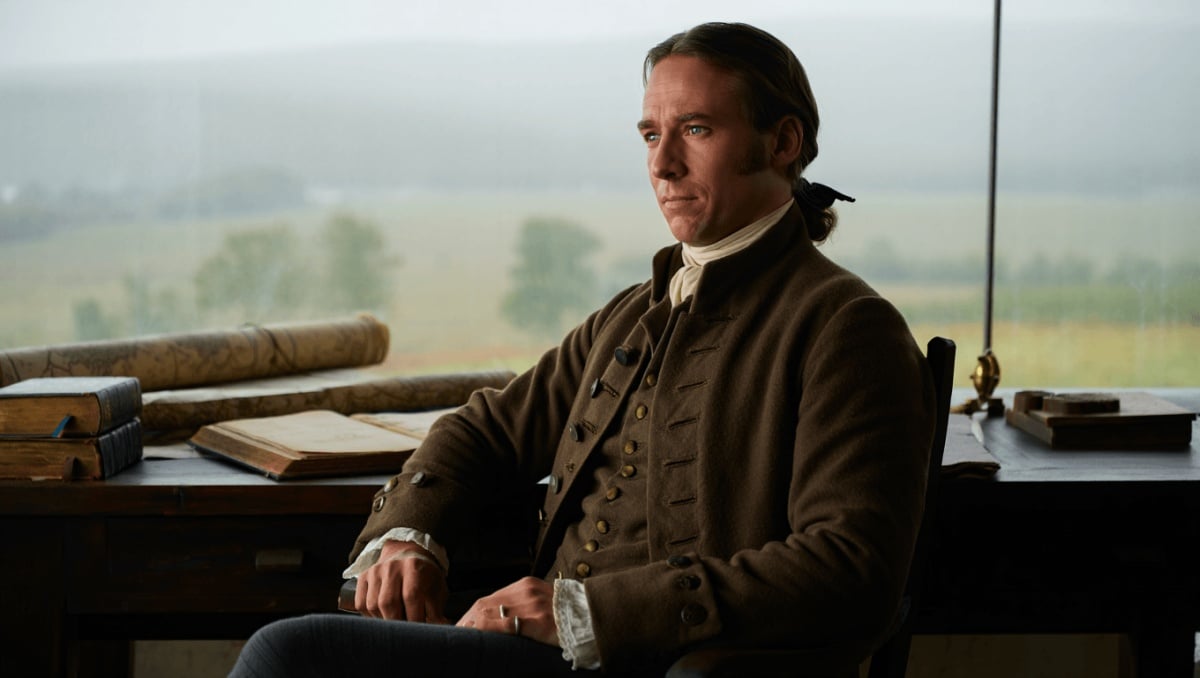
The new biopic Young Washington arrives in theaters this week, tracing the future president’s early career as a surveyor and soldier rather than the familiar image from portraits. The film aims to strip away some of the myth and show how a young, ambitious George Washington found his footing in a volatile colonial landscape—but it mixes documented episodes with dramatized moments.
Spoiler warning: this article discusses key scenes and plot points from the movie.
Cast, creators and focus
Directed and co-written by Jon Erwin, Young Washington casts William Franklyn-Miller as the lead and rounds out a notable supporting ensemble including Kelsey Grammer, Andy Serkis, Ben Kingsley and Mary-Louise Parker. The film concentrates on Washington’s twenties and early thirties, centering on his work as a land surveyor and his military experiences during the mid-1750s.
What the film depicts
The narrative follows a young Washington as he seeks advancement in Virginia society, wins the attention of a wealthy patron, and enters the fraught borderlands claimed by competing European powers. Key episodes include his meeting with a landowner who helps launch his surveying career, his role as an aide to General Edward Braddock, and dramatic confrontations that culminate with the British defeat at the Battle of the Monongahela.
- Surveying and patronage — The movie portrays Washington gaining a position surveying western lands, a historically grounded episode that helps explain his early ambitions and ties to Virginia elites.
- Service under Braddock — Washington’s attachment to Gen. Edward Braddock and his presence during Braddock’s failed 1755 expedition are central to the plot and match long-established records.
- Jumonville Glen — The film uses a scene of a miscommunication after an ambush to heighten drama; historians continue to debate the event’s precise circumstances and Washington’s role.
- Battle of the Monongahela — The depiction of the chaotic retreat and Washington’s measured response draws on documented reports of his conduct during and after the battle.
How closely the movie follows the historical record
Young Washington does not rest on a single scholarly biography. Instead, the screenplay weaves together episodes from multiple sources and adds cinematic shaping—condensing timelines, combining characters and dramatizing conversations to build a coherent character arc.
The film gets several broad facts right: Washington was a surveyor, he knew and worked for influential Virginians, and he served in the campaigns of the French and Indian War. At the same time, particular interactions and motivations are presented in ways that prioritize narrative clarity over documentary precision.
Historians will recognize familiar scenes, but they may debate the framing: ambiguous incidents like the Jumonville affair and accounts of battlefield decisions are simplified for storytelling. The movie’s closing title card links the young officer’s experiences to his later leadership of colonial forces—a legitimate through-line, but one compressed for effect.
Why this matters now
Arriving as public interest in founding-era stories remains high, the film contributes to a broader cultural conversation about how national leaders are remembered. By focusing on a formative period rather than the iconography of later years, Young Washington encourages viewers to see George Washington as an evolving figure shaped by setbacks, alliances and the violent contest for North American territory.
For audiences, that shift changes what’s at stake: the movie asks whether the traits that made Washington a central figure—ambition, resilience, political instinct—were forged by circumstance or choice. It also underscores how interpretations of early American history continue to be retold for new generations.
In short, Young Washington offers a historically informed portrait that favors dramatic clarity. Viewers interested in the nitty-gritty of the record will find moments that deserve closer reading; those looking for a human-scale introduction to Washington’s early career will find a straightforward, if sometimes compressed, account.