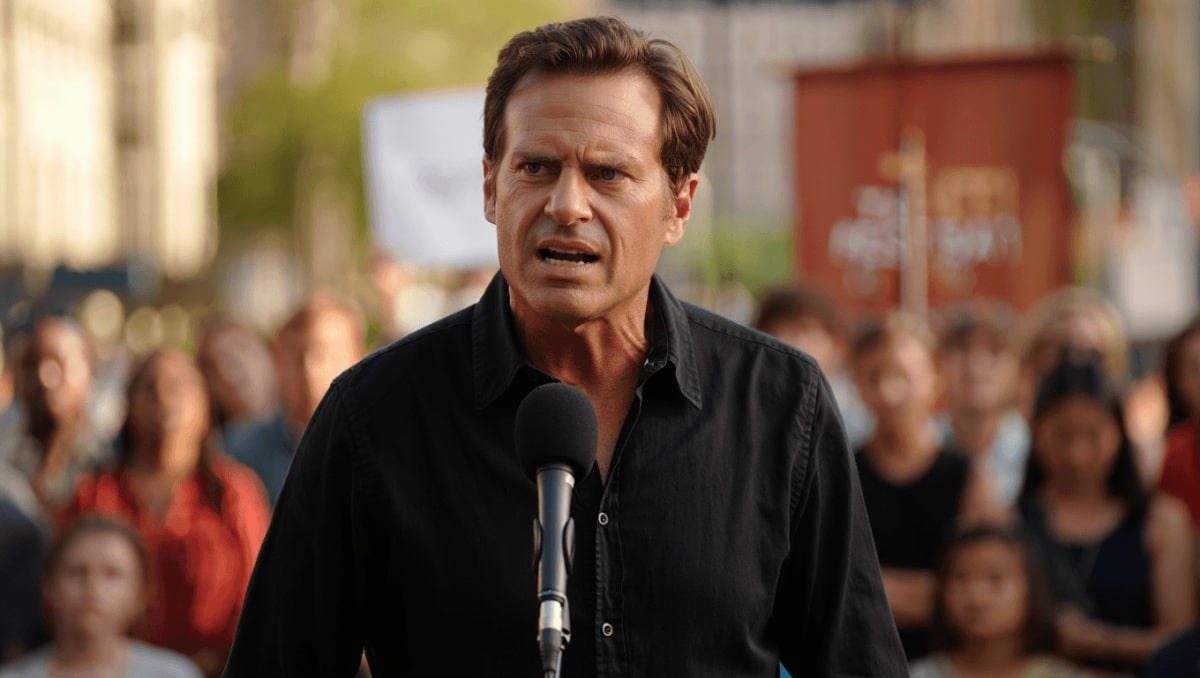
At Tribeca Festival on June 13, Bruce Springsteen used his moment in the spotlight to push back against federal interventions in U.S. cities and to dedicate a social justice honor to those protesting immigration enforcement. His remarks — part warning, part reassurance — underscore how entertainers continue to shape political conversation as the country grapples with high-stakes conflicts over law enforcement and civil rights.
Springsteen accepted the Harry Belafonte Voices for Social Justice Award and made clear he has no interest in running for office, despite audience shouts and a playful prompt from Bono. Instead, the rock veteran framed his role as an artist who speaks to tough times and stands with citizens who resist actions they view as overreach.
Why the remarks matter now
Springsteen’s comments come amid heated disputes over federal responses to local protests in places including Minneapolis, Portland and Los Angeles. Cultural figures weighing in can shift public attention and add pressure on elected officials, particularly ahead of another politically charged election cycle.
At Tribeca, he described his current mood as one of frustration with national leadership while expressing confidence that American civic life can recover if people recognize shared dignity. He also acknowledged the limits of his influence, saying he’s “a concerned citizen” whose primary tool is music, not electoral ambition.
What he said and did
During a wide-ranging conversation with Bono, Springsteen rejected the idea of a political run and emphasized the importance of taking a stand, even when it risks alienating listeners. When an audience member suggested he should run, he smiled and declined, returning the focus to his work and to the award’s purpose.
He dedicated the honor to demonstrators who confronted federal immigration enforcement, thanking protesters in cities that publicly resisted what some described as a federal “invasion.” Earlier this year, he released the protest song “Streets of Minneapolis”, responding to violent federal interventions — a signal that his music continues to reflect current events. He also recently concluded the U.S. leg of his Land of Hope & Dreams tour.
- Award: Accepted the Harry Belafonte prize for social justice at Tribeca.
- Dedication: Honored anti-ICE protesters in Minneapolis, Los Angeles and Portland.
- Music: Released a protest track earlier this year and wrapped his Land of Hope & Dreams tour.
- Political stance: Said he won’t run for office; framed himself as an artist and worried citizen.
- Public reaction: Audience applause and calls for leadership highlighted the crowd’s appetite for civic engagement.
The evening blended performance and politics. Patti Smith performed two songs, joined on stage by Springsteen and others, and Springsteen closed with a stripped-down version of “Land of Hope and Dreams,” dedicated to his wife. He ended with a brief, characteristic cheer for his hometown team — “God bless America, and go Knicks” — keeping some levity in a sober moment.
De Niro’s introduction and broader tone
Robert De Niro, who introduced Springsteen, issued a forceful critique of President Trump and his allies, arguing that current leadership threatens democratic norms. He urged the crowd to choose hope and democratic principles over fear and division — a theme that echoed through the event and framed the award’s significance.
De Niro praised Springsteen’s ability to galvanize listeners and to “give voice to the powerless,” saying that the artist’s work serves as a rallying point for resistance and civic engagement.
The exchange with Bono also touched on culture and class. Bono raised a familiar concern — that progressive voices can drift away from working-class voters — prompting Springsteen to stress the need for leaders and artists to speak plainly and seek common ground without abandoning principle.
For readers tracking the intersection of culture and politics, Springsteen’s appearance is a reminder that artistic platforms remain influential. Whether through a new protest song, a public dedication, or a high-profile festival appearance, musicians can keep contentious policy choices in the public eye and shape how communities respond.