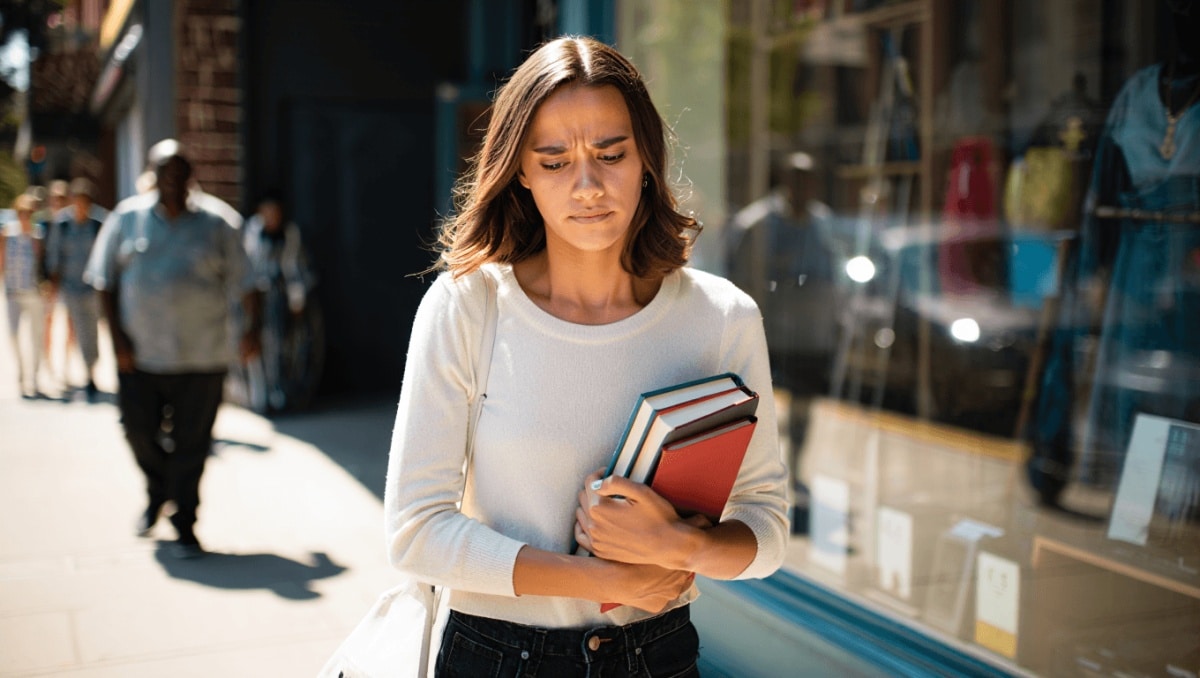
I paid $65 for two recently released books and walked out feeling oddly unsettled. It wasn’t just the cost — it was the question that lingered: when price starts to dictate what we read, does reading become a luxury rather than a commonplace habit?
Why this matters now
As household budgets tighten and entertainment options multiply, the cost of new books matters more than it used to. Reading shapes how people learn, relax, and participate in public life. When access narrows, the consequences ripple through education, culture, and community knowledge.
What $65 buys today
Two new hardcovers at roughly $30 each plus tax is a familiar bill for many book buyers. But pricing varies widely by format and retailer. A single academic textbook can exceed that total, while used copies or paperbacks may cost only a fraction.
That gap exposes a simple reality: the same amount of money can buy very different reading experiences — or none at all.
Options for readers, compared
| Format | Typical cost | Pros | Cons |
|---|---|---|---|
| New hardcover | $25–$35 | Latest releases, collectible condition | Most expensive; fewer discounts |
| Paperback | $10–$20 | Cheaper, portable | May not be available at launch |
| Ebook | $5–$15 | Instant access, often cheaper | DRM limits resale or sharing |
| Used copy | $3–$15 | Affordable, sustainable | Condition varies; limited selection |
| Library loan | Free | High value per dollar; community resource | Holds and waits; not all titles available |
| Subscription services | $8–$15/month | Access to many titles for a fixed fee | Not all books included; licensing limits |
Not just money: time and availability
Cost is only one hurdle. Time, local bookshop hours, and library waitlists shape whether people actually finish books. A working parent with limited free time may value a short audiobook subscription more than an expensive hardcover, despite the latter’s prestige.
Distance matters too: residents in areas without a public library or bookstore face extra friction. For them, $65 can represent a much larger access gap.
Small steps that widen access
There are pragmatic ways to stretch reading budgets without sacrificing quality. Libraries remain the most direct equalizer, offering free access to physical books, ebooks, and audiobooks. Community book swaps and used-book stores turn circulation into affordability. For readers who prefer digital formats, occasional sales, library apps, or curated subscriptions can cut per-book costs dramatically.
- Use local library apps for ebooks and audiobooks — they often include popular new releases.
- Shop used-book stores or online marketplaces for gently worn copies.
- Watch publisher sales and seasonal discounts rather than buying at list price.
- Join or start a community book swap to share titles without extra spending.
- Consider short-term subscriptions if you read several books a month.
What readers and policymakers should consider
For individuals, small changes in buying habits can increase reading without large outlays. For communities, investment in public libraries and school literacy programs has a broader payoff: better-informed citizens and higher educational attainment.
Framing reading as a cultural essential rather than a discretionary luxury shifts the conversation. When policymakers and funders treat access to books as part of public infrastructure — like parks or public transit — more people benefit.
Spending $65 on two books sparked a larger question about value. Is the cost a simple purchase decision, or does it reflect deeper choices about who gets to read? The answer shapes not only individual habits but also the health of our shared cultural life.