A small group of men in mid-century Hollywood helped turn Norma Jeane Baker into the figure the world remembers as Marilyn Monroe — not by accident, but through decisions about name, wardrobe, photographs and roles. That process matters now because it shows how media, industry power and personal agency combine to create an enduring public image — a dynamic still shaping influencers and stars today.
Putting a face on a name
In the 1940s and 1950s, the Hollywood machinery treated identity as a product to be refined. Studio departments, agents and photographers coordinated to reshape voices, looks and biographies so stars fit marketable types. For Norma Jeane, that meant a new professional name, carefully staged photographs and roles selected to emphasize glamour.
Those interventions were rarely the work of one individual. Instead, several figures — some inside the studio system, others operating independently — contributed pieces to what became a globally recognized persona. The end result blended corporate strategy, photographic framing and the subject’s own choices.
Who shaped Marilyn — and how
Below are the main circles that historians and biographers point to when tracing how Marilyn’s public image was assembled. Each played a distinct role in translating a private person into a public brand.
- Agents and studio executives: Talent representatives negotiated contracts and pushed for name changes, publicity appearances and specific picture deals. Studio executives controlled casting and marketing, deciding how an actor would be presented to audiences.
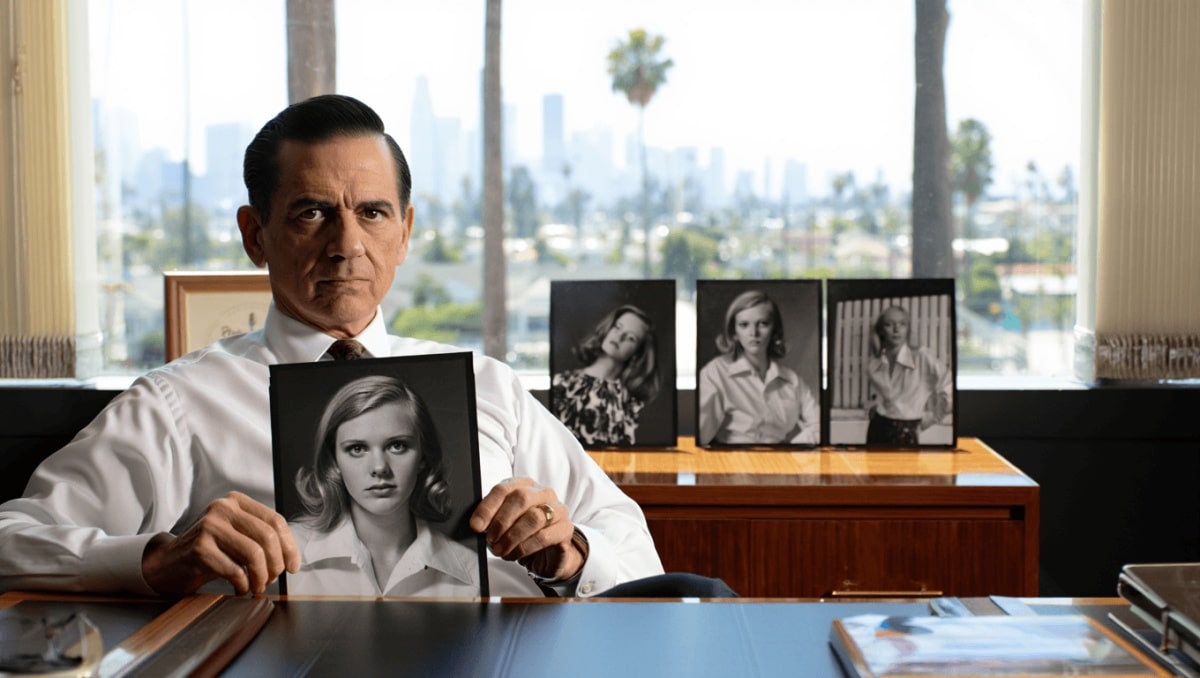
- Photographers: Early portrait sessions and glamour shoots defined key visual motifs — the smile, the hairstyle, and lighting that suggested softness and allure rather than realism.
- Makeup artists and stylists: Daily styling choices — hair, makeup, clothing — standardized the visual shorthand audiences would come to recognize as Marilyn.
- Marilyn herself: As her career progressed she sought more control, studying her craft and pushing to shape roles and projects, complicating any view of her as merely a product of others.
Snapshot: key contributors
The following list summarizes notable contributors often mentioned in historical accounts and why they mattered:
- Agents — opened doors, negotiated contracts, and repositioned her within the studio system.
- Photographers — produced iconic images that traveled widely and cemented a visual identity.
- Studio publicity departments — crafted headlines, photo layouts and press narratives to maintain consistent public messaging.
- Personal stylists and makeup artists — standardized a signature look used in films, magazines and promotional material.
- Marilyn’s own decisions — studying acting, forming business arrangements and making public choices that redefined her role in the industry.
Why this story still matters
The making of Marilyn is not just a historical curiosity; it’s an early case study in professional image-making that echoes through today’s media environment. Platforms that monetize attention, seasonal trends in celebrity crafting and the market for authenticity all mirror the same tension: who controls a public persona, and to what end?
For readers watching how modern influencers are packaged, the Monroe story illustrates three durable lessons:
- Visibility is engineered: what appears spontaneous is often the result of coordinated choices.
- Control shifts over time: subjects can reclaim and reshape their images, but usually after navigating powerful gatekeepers.
- The visual record endures: photographs and film create a lasting shorthand that defines public memory.
Legacy and perspective
Marilyn’s image remains a cultural touchstone — admired, analyzed and repurposed across generations. Understanding the collaborative and contested process that created that image helps explain how celebrity functions and why certain faces become icons.
Beyond nostalgia, this history offers practical insight for anyone working in media, marketing or creative industries today: names, pictures and narratives are tools. How they’re used determines not only careers but also the stories a culture chooses to remember.