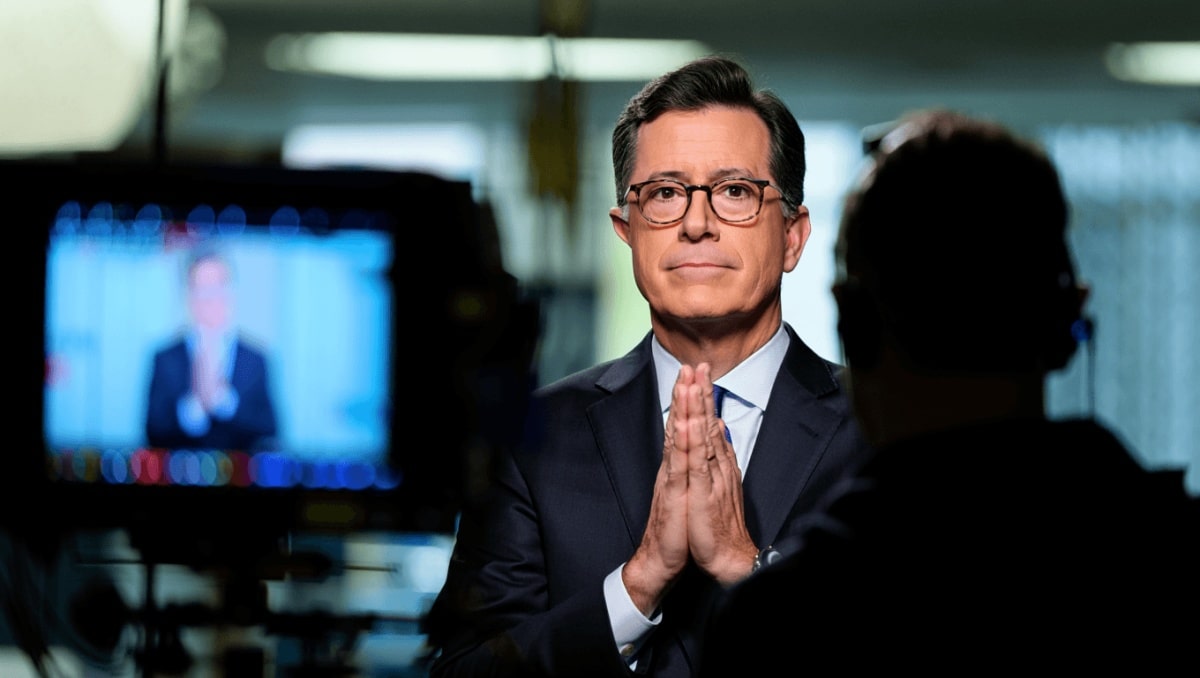
CBS has paused enforcement of copyright notices after sparking complaints over takedowns of clips from Stephen Colbert’s surprise return to a Michigan public-access show. The network’s move — and its subsequent backtrack — matters for creators, local stations and anyone who shares TV clips online.
The episode in question aired May 22 on the community program Only in Monroe, where Colbert reappeared less than a day after signing off from his run on CBS late-night. Shortly after the broadcast, multiple YouTube channels that posted the segment received copyright notices from CBS, prompting an online backlash that pushed the network to moderate its stance.
How CBS responded
In a statement, CBS said it routinely issues copyright notices to unauthorized sites that post material featuring its programs or talent. The company added that it would temporarily refrain from enforcing those notices while it conducted a review.
The network also confirmed it was involved in producing Colbert’s Monroe appearance. The full episode was later made available on official channels, including accounts for Stephen Colbert, The Late Show and Monroe Community Media.
What aired in Monroe
Colbert’s local-access return featured a mix of in-studio guests and surprise cameos. Performers and actors from Michigan joined the broadcast, and Colbert made light-hearted jabs at his successor, teasing that public-access television might be the next stop.
- When: May 22, the day after Colbert’s final Late Show episode.
- Where: Only in Monroe — a Monroe, Michigan, public-access program.
- Notable participants: Jack White, Jeff Daniels, plus brief appearances by Eminem and Steve Buscemi.
- Distribution: Posted to YouTube channels for Colbert, The Late Show and Monroe Community Media.
Colbert had first guest-hosted the Monroe program in 2015, before taking over the Late Show. During his final Late Show monologue, he hinted at the return to his public-access roots, making the surprise less abrupt than it appeared.
Why this matters now
The incident highlights tension between large broadcasters and the open internet. Networks increasingly use takedown systems to control where and how clips circulate, but those actions can clash with local outlets and independent uploaders who distribute content for visibility and archival purposes.
For YouTube creators and community-media outlets, a few practical stakes emerge:
- Copyright notices can result in removed videos or strikes that affect a channel’s standing.
- Quick enforcement without context can produce public-relations backlash against rights holders.
- When official producers post the same content, it raises questions about consistency in enforcement and access.
Legal boundaries around short clips, fair use and platform takedowns remain complex. Here, the network’s decision to pause enforcement suggests a willingness to review how its policies are applied — at least in high-profile, ambiguous cases.
For now, the episode is accessible through official accounts and the immediate threat to third-party uploads appears softened. The situation serves as a reminder that copyright enforcement is not only a legal process but also a public-relations calculation for major media companies.
Contributing reporting: Anthony Thompson.