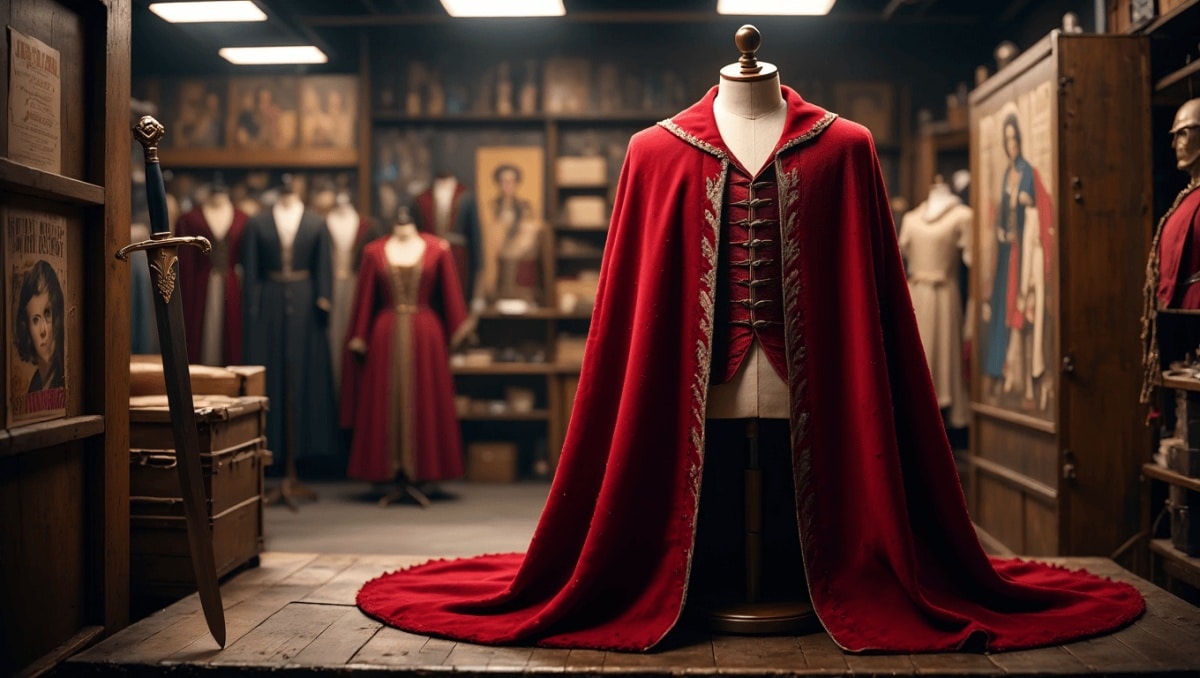
If you could walk out of a film set with one single item — a hat, a weapon, a dress — which object would you choose and why? The fantasy of pilfering a piece of cinematic history tells us as much about what we value as movie fans as it does about the objects themselves: their symbolism, rarity and cultural weight.
On a practical level this matters now because film memorabilia has become a hot market and museums are tightening security. High-profile auctions and a handful of real-world thefts have turned props into contested pieces of cultural heritage, raising questions about ownership, preservation and the line between fandom and criminality.
- Ruby slippers — The shoes from The Wizard of Oz are shorthand for Hollywood legend. They carry layers of history, celebrity and vulnerability: several pairs were made, and at least one was stolen from a small museum in the past, later recovered. Their story highlights how fragile and high-profile original costumes can be.
- Iconic hats and headgear — Think the fedora and whip associated with the adventurer archetype, or a villain’s helmet. These items are instantly identifiable and often inform a character’s silhouette; they’re the kind of thing a collector would prize for display.
- Lightsabers and screen-used weapons — Futuristic or period arms that actually appeared on camera combine craftsmanship with mythology. Authentic pieces drive higher interest than replicas, though many productions use multiple copies for stunts and closeups.
- Signature gowns and stagewear — Dresses tied to cultural moments can command huge sums at auction. Beyond monetary worth, they carry performative context — the scene, the song, the public reaction — which makes them more than fabric.
- Miniature or prop icons — A small statuette, a toy, a handheld device from a landmark film can be deceptively valuable: compact, recognizably symbolic and easier to abscond with than large set pieces.
Why are these objects so tempting? For many fans they are tangible connections to a story or a star. Owning the actual thing is a short cut from imagination to reality — a visible, physical link to a moment that shaped cultural memory.
But there are important consequences to consider. Original props and costumes are often brittle, custom-made for camera and not designed for long-term use. Museums and archives work to conserve these artifacts; theft or unsupervised ownership can accelerate deterioration. There’s also the legal side: taking an item without permission is criminal, can break provenance chains and devalue legitimate collecting.
Collectors, institutions and studios have adapted. Provenance documentation, climate-controlled display cases and insurance policies are now routine. Studios frequently keep multiple versions of key props, and today many iconic items are protected behind glass or kept in secure storage until they can be professionally conserved or sold through reputable auction houses.
For those tempted by fantasy theft, there’s a safer alternative: the replica market. High-quality reproductions, licensed memorabilia and museum replicas allow fans to own something visually identical without harming archives or breaking laws. Replicas also make it possible to enjoy everyday use — wearing a coat, swinging a hat, displaying a blaster — without risking an irreplaceable original.
Below are a few questions to weigh before imagining yourself as a cinematic cat burglar:
- Is the item an original or a replica? Originals carry cultural and monetary value; replicas are built for use.
- Does it have clear provenance? Documentation affects authenticity and resale value.
- Will private ownership harm preservation? Some pieces require institutional care.
- Are there legal or ethical implications? Theft and illicit trade undermine public access to shared history.
When you factor those implications in, the choice becomes less about daring and more about stewardship: which object would you want responsibility for — and could you guarantee its future? That reframes the impulse to “steal” into a question about who should safeguard our moving-image heritage.
So: if you had the pick, what would you take — and how would you preserve it? Share the impulse; the answers reveal what movies mean to us now.