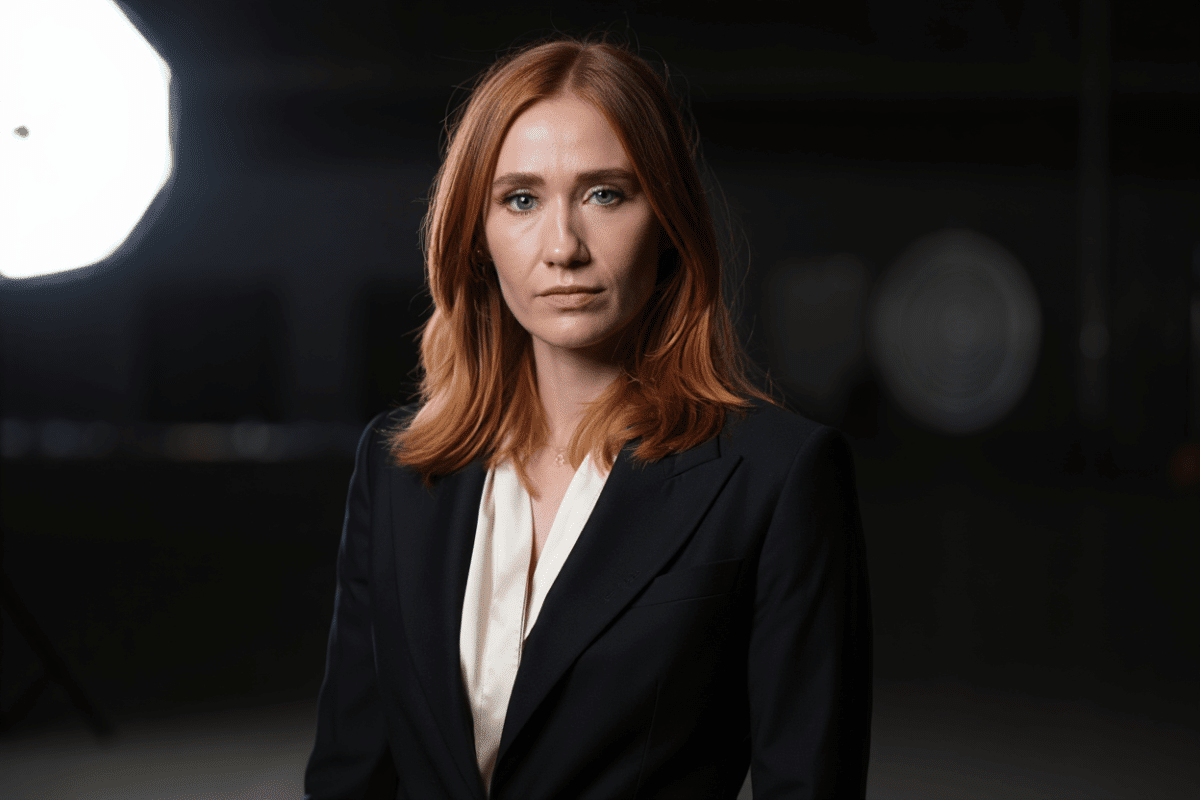
Erin Moriarty, the lead actress of The Boys, revealed on May 22, 2026, that she battled Graves’ disease—a severe autoimmune thyroid disorder—while filming the show’s fifth and final season. The American actress described the experience as “physical hell,” stating she felt like she was “dying” throughout production. Her courageous decision to continue performing despite experiencing debilitating symptoms demonstrates the resilience of modern television actors facing undisclosed health crises.
🔥 Quick Facts
- Diagnosis date: June 2025 — Moriarty publicly revealed her Graves’ disease diagnosis after years of private struggle
- Where it occurred: The Boys season 5 set — Symptoms escalated severely during filming of the final season
- Physical impact: Complete loss of walking ability — At one point, the condition was so severe she could not ambulate independently
- Condition type: Autoimmune thyroid disorder — Graves’ disease causes overproduction of thyroid hormones, affecting metabolism and neurological function
- Mental health toll: “Severe mental-health crisis” — The actress reported the diagnosis triggered profound emotional challenges alongside physical symptoms
Understanding Graves’ Disease and Its Progression
Graves’ disease is an autoimmune condition where the body’s immune system mistakenly attacks the thyroid gland, causing it to overproduce thyroid hormones—a state called hyperthyroidism. This excess hormone production triggers a cascade of systemic effects. According to Mayo Clinic and Cleveland Clinic, the condition affects approximately 1.3% of the US population, with women constituting roughly three-quarters of diagnosed cases. Moriarty’s case exemplifies how the disorder can escalate rapidly, with years of undiagnosed symptoms preceding formal diagnosis.
Hypothetically, Moriarty likely experienced warning signs for multiple years before her June 2025 diagnosis. The actress has stated she “spent at least two years of my life physically present but mentally absent,” indicating the chronic nature of her undiagnosed condition. This timeline aligns with typical Graves’ disease progression, where symptoms begin subtly and compound over time.
Filming The Boys Finale While Managing Critical Symptoms
The Boys season 5 production occurred while Moriarty was experiencing her most acute symptoms. In interviews conducted in April and May 2026, she disclosed that the physical toll became so severe she “lost the ability to walk” at certain points during filming. This unprecedented challenge meant the actress had to find workarounds for mobility-intensive scenes while maintaining her performance as Starlight/Annie January, a hero character requiring intense physical action sequences.
According to Moriarty, “I finally felt present at the very end of season five,” suggesting that by the final episodes, her condition had stabilized enough for her to deliver her best work. This recovery timeline, occurring just before the May 20, 2026 series finale event, indicates that targeted medical management—potentially including medications like beta-blockers or antithyroid drugs—began showing efficacy. The actress’s professional commitment to complete the show despite these obstacles has drawn widespread acknowledgment from her fellow cast members as The Boys concludes its historic run.
Graves’ Disease: Symptoms and Medical Context
Individuals diagnosed with Graves’ disease typically report a constellation of symptoms that directly impacted Moriarty’s ability to function on set:
| Symptom Category | Manifestations in Graves’ Disease | Potential Impact on Film Production |
| Cardiovascular | Racing heartbeat (tachycardia), irregular rhythm (arrhythmia), elevated blood pressure, tremors in hands and fingers | Difficulty with precise physical movements, stunt work limitations, emotional volatility affecting scene continuity |
| Neurological | Severe fatigue and weakness, insomnia or sleep disruption, difficulty concentrating (brain fog), anxiety and nervousness | Reduced on-set stamina, memory challenges for dialogue delivery, prolonged recovery between takes |
| Metabolic | Unintended rapid weight loss, muscle wasting, heat intolerance with excessive sweating, increased appetite without weight gain | Wardrobe continuity issues, visual changes in appearance, difficulty with costume fittings, need for frequent costume adjustments |
| Ocular | Bulging eyes (exophthalmos), dry eyes, eye pain, double vision or blurred vision, light sensitivity | Lighting adjustments required, makeup modifications, contact lens intolerance, closeup filming constraints |
| Musculoskeletal | Complete loss of mobility, difficulty ascending stairs, fatigue after minimal exertion, generalized weakness | Severe limitations on action sequences, requirement for stunt doubles, mobility assistance devices on set, modified shooting schedules |
Moriarty’s disclosure that she “lost the ability to walk” aligns precisely with the musculoskeletal category. Graves’ disease can cause such profound muscle weakness that basic mobility becomes impossible without medical intervention. The fact that she powered through this to complete season 5 underscores the severity of her condition and her determination to finish the beloved series.
The Psychological and Professional Toll: Mental Health Crisis
Moriarty was explicit about the psychological dimensions of her illness. She stated her diagnosis triggered a “severe mental-health crisis,” revealing that the autoimmune condition—which researchers now understand can trigger neuropsychiatric symptoms—was compounded by the public scrutiny she had faced. The actress described being targeted by online critics who questioned her appearance without understanding the underlying medical cause.
This intersection of undiagnosed illness and public judgment created a perfect storm. For years prior to her diagnosis, Moriarty endured online comments about her changing appearance—a direct result of Graves’ disease symptoms including weight fluctuation, facial puffiness from eye involvement, and visible signs of systemic stress. When she finally disclosed her condition in June 2025, she provided crucial context: these weren’t cosmetic choices or lack of fitness, but symptoms of a serious autoimmune disorder. The social media response shifted dramatically, with many fans offering apologies and support.
“I finally felt present at the very end of season five. I spent at least two years of my life physically present but mentally absent. This autoimmune disease nearly destroyed me, but I’m grateful I found the strength to finish what we started.”
— Erin Moriarty, Actor and The Boys Cast Member, Hollywood Reporter Interview, April 2026
What Comes Next: Diagnosis, Treatment, and Recovery
Graves’ disease is a lifelong condition but highly treatable. Medical management typically involves three primary approaches: antithyroid medications (like propylthiouracil or methimazole) that suppress thyroid hormone production, beta-blockers that reduce cardiovascular symptoms like tachycardia and tremors, and in some cases, radioactive iodine therapy or thyroidectomy (surgical thyroid removal) for long-term management. For Moriarty, the visible improvement by the end of season 5 filming suggests her medical team found an effective pharmaceutical regimen quickly.
Moriarty has stated she will not watch the final season when it airs, citing the emotional difficulty of revisiting footage from her most challenging period. This is a common psychological response among performers who’ve worked through significant health crises. However, the actress has expressed gratitude for her health improvements and commitment to prioritizing her wellbeing post-production. She has become an unexpected advocate for Graves’ disease awareness, helping reduce stigma around autoimmune conditions affecting public figures.
How Does Erin Moriarty’s Story Change Conversations About Workplace Health in Hollywood?
The Boys star’s disclosure raises critical questions about actor health support systems, production scheduling during personal health crises, and the gap between public perception and private reality. How many other actors have silently managed serious health conditions while performing? What workplace protections should exist for entertainment industry professionals facing autoimmune disease diagnoses? Moriarty’s decision to speak publicly—despite the vulnerability required—has already prompted discussions among other entertainers about sharing health information and reducing the stigma of chronic illness in a visually-focused industry.
Sources
- Deadline — “The Boys” Star Erin Moriarty Thought She Was “Dying” While Filming Final Season Amid Graves Disease Symptoms
- Hollywood Reporter — Erin Moriarty on Graves’ Challenges and Final Season Interview (April 22, 2026)
- ELLE — While Filming the Final Season of The Boys, Erin Moriarty Found Herself Again (May 14, 2026)
- People Magazine — Erin Moriarty Opens Up About Graves Disease Diagnosis and Mental-Health Crisis
- Mayo Clinic — Graves’ Disease: Symptoms and Causes
- Cleveland Clinic — Graves’ Disease: What It Is, Symptoms & Treatment
- Yahoo Health — The Boys Star Erin Moriarty Opens Up About the “Physical Hell” of Graves’ Disease