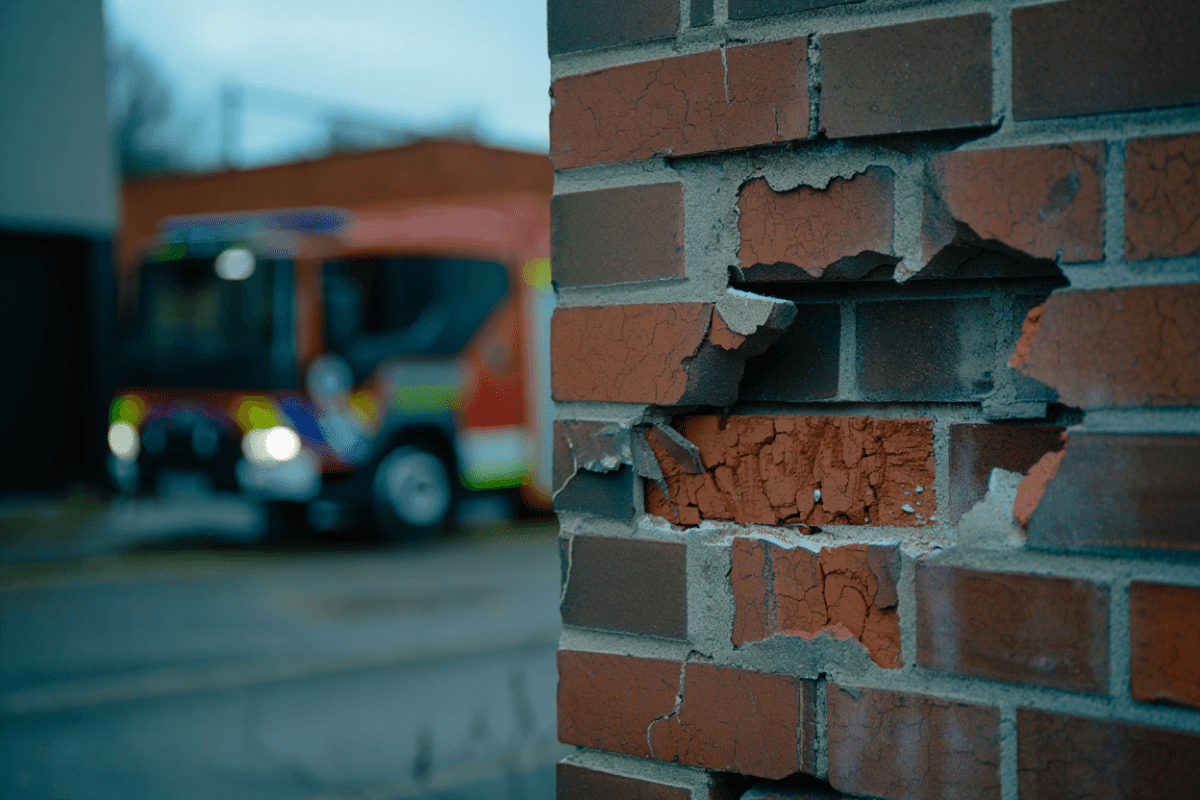
Netflix’s “The Crash” premiered on May 15, 2026, examining a 2022 fatal car accident in Strongsville, Ohio that sparked intense debate over intent versus tragedy. The documentary, directed by Gareth Johnson, traces how a high-speed collision killed two teenagers and transformed the case into a controversial murder conviction that continues generating questions about legal responsibility and accountability.
🔥 Quick Facts
- Documentary Premiered: May 15, 2026 on Netflix globally
- Fatal Crash Date: July 31, 2022 in Strongsville, Ohio
- Vehicle Speed: Driven at approximately 100 miles per hour into a brick building
- Conviction: Driver sentenced to 15 years to life on murder charges
- Casualties: Two victims killed instantly; driver survived and became defendant
The Tragic Night That Changed Everything
On the early morning of July 31, 2022, Strongsville, Ohio—a Cleveland suburb—became the site of a tragedy that would ignite national debate about culpability and intent. A Toyota Camry traveling at extreme speed crashed directly into a brick building, killing the two passengers instantly while the sole occupant behind the wheel survived. The survivors at the scene treated it as an accident; investigators would later interpret it differently.
The 17-year-old driver was the sole survivor of the impact, though she sustained injuries from the crash. Her two passengers—Dominic Russo, age 20, and Davion Flanagan, age 19—were pronounced dead at the scene. Initial reports suggested driver error or mechanical failure, yet the investigation that followed would lead to charges of intentional murder, raising questions about how authorities determined purpose versus accident.
Unraveling the Investigation: Evidence and Interpretation
The core tension in “The Crash” centers on forensic evidence and investigative interpretation. Prosecutors argued that the driver made deliberate choices in the moments leading to impact, while defense counsel maintained that the collision resulted from accidents common in high-speed driving. The documentary presents cell phone data, crash forensics, witness testimony, and police interviews to let viewers assess the competing narratives themselves.
Director Gareth Johnson documented the investigation’s evolution—from initial accident classification to murder charges. The documentary includes body camera footage, interviews with detectives, and statements from family members on both sides. This layered approach demonstrates the difference between what evidence shows versus how investigators interpret meaning. Key factors in the case included vehicle speed, driving patterns in the minutes before collision, and witness statements about the driver’s stated intentions and emotional state.
Case Timeline and Key Developments
| Event | Date | Details |
| Fatal Crash | July 31, 2022 | Vehicle struck brick building at approx. 100 mph; two killed |
| Investigation Phase | Aug 2022– Mar 2023 | Evidence collection, witness interviews, forensic analysis |
| Conviction | August 2023 | Found guilty on 12 counts including murder, aggravated vehicular homicide |
| Sentencing | August 2023 | Sentenced to 15 years to life; eligible for parole after 15 years |
| Documentary Release | May 15, 2026 | Netflix releases “The Crash,” reaching #2 in U.S., #4 worldwide by week’s end |
The timeline reveals the speed of the investigation—from crash to conviction in roughly one year. Cuyahoga County Judge Nancy Russo presided over the trial, where the defendant chose a bench trial rather than jury trial. This decision proved significant; defense strategy suggested hope for judicial leniency, yet the judge convicted on all charges. The conviction included murder counts alongside aggravated vehicular homicide and drug possession charges, each adding weight to the penalty.
Why This Case Divides Experts and Observers
The documentary’s power lies in its documentation of ambiguity. Legal experts and forensic analysts disagree on whether evidence supports murder versus accident. Intentional murder convictions typically require proof of premeditated purpose—that the driver chose to end lives. Prosecutors built this case on indirect evidence: driving patterns, speed**, statements allegedly showing emotional distress, and text communications before the crash. Defense attorneys countered that high-speed driving with tragic outcomes doesn’t equal intentional murder.
The documentary contrasts investigative conclusions with forensic ambiguity, allowing viewers to recognize how the same facts support different narratives. This approach aligns with modern true-crime best practices that prioritize evidentiary transparency over predetermined conclusions, treating audiences as capable of independent reasoning rather than passive recipients of detective conclusions.
“The documentary uncovers the questions that linger after a collision left two dead and the survivor a suspect, examining competing interpretations without dictating conclusions.”
— Netflix Official Description, “The Crash” Documentary
Impact on Streaming and True Crime Media
“The Crash” achieved rapid viewership success, reaching the #2 ranked title in the United States within days of release, climbing to #4 worldwide by the week’s end. This performance positions the documentary among the most-watched releases in May 2026. The case’s re-emergence in mainstream media spotlight has practical consequences: the documentary’s father figure faced administrative leave from school following his participation and statements made during filming, highlighting real-world tension between media participation and professional consequences.
The release also reignited legal debate. Criminal justice analysts noted this case exemplifies the challenges in modern vehicular homicide prosecutions—how speed, intent, and outcomes intersect in courtrooms. True crime viewers continue debating on social media platforms whether the conviction represents appropriate accountability or prosecutorial overreach. Dominic Russo’s family members have spoken publicly, with some family expressing strong positions about the conviction’s validity, while others struggle with the loss itself.
Open Questions That “The Crash” Leaves Viewers Contemplating
After watching the documentary, audiences are left with fundamental questions about how the justice system determines intent in tragedy. Can human error and intentional harm be reliably distinguished in forensic evidence? At what speed does recklessness become murder? Should young drivers who cause fatal accidents face adult-level murder charges? Does the survivor’s age at the time of incident affect how we assess culpability?
The documentary succeeds precisely because it resists easy answers. Rather than a prosecution narrative or defense argument, “The Crash” presents a case study in legal ambiguity—showing how evidence, interpretation, expert opinion, and judicial discretion converge to produce verdicts that communities continue questioning years later. For viewers interested in criminal justice, forensic analysis, or the functioning of legal systems, the documentary offers valuable case study material that transcends entertainment into genuine inquiry.
Sources
- Netflix Official – Documentary premiere date, description, viewing performance metrics
- NBC News, The Columbus Dispatch, WKYC – Case details, sentencing information
- Wikipedia – Case timeline, conviction details
- People Magazine – Family response coverage
- Deadline – Documentary production details, director information