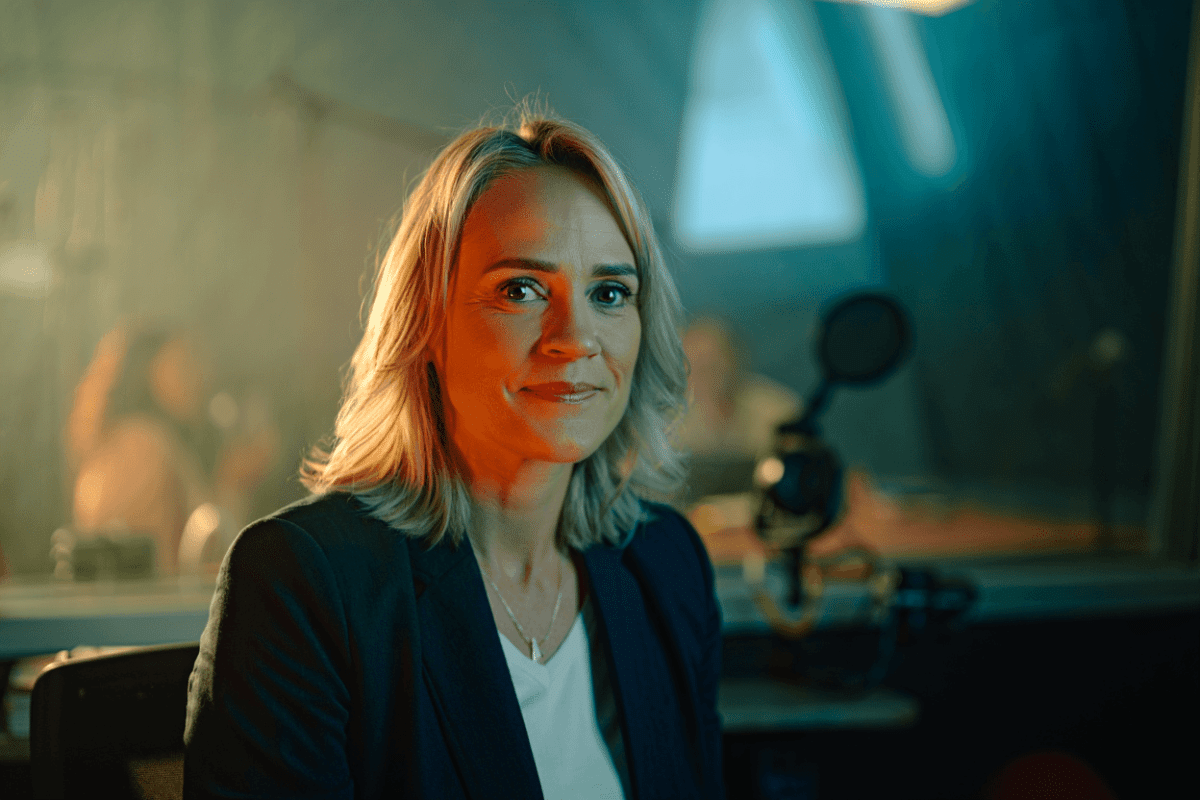
Christie Hayes, the former Home & Away actress turned radio host, shared an in-depth perspective on parenting her 11-year-old son Hendrix, who has been diagnosed with level 3 autism. The candid disclosure, made during an appearance on Australia’s The Morning Show, reflects her commitment to destigmatizing autism while educating audiences about the realities of raising a child with significant support needs. Hayes emphasized that autism is not something to fear but rather something to understand, embrace, and celebrate within family dynamics.
🔥 Quick Facts
- Hendrix was diagnosed with level 3 autism at age 2, requiring very substantial support
- Christie Hayes is a former actress best known for playing Kristy Phillips in the Australian soap opera Home & Away
- Level 3 autism, per DSM-5 criteria, represents the most intensive support category on the autism spectrum
- Hayes participates in the Walk for Autism campaign, raising awareness and funds through organizations like Aspect (Autism Spectrum Australia)
Understanding Level 3 Autism: What the Diagnosis Means
Level 3 autism is formally defined in the DSM-5 (Diagnostic and Statistical Manual of Mental Disorders, 5th Edition) as autism that requires “very substantial support.” Unlike level 1 (requiring support) or level 2 (requiring substantial support), individuals with level 3 autism typically experience significant challenges across multiple domains. These challenges include substantial difficulties with social communication, nonverbal and verbal language abilities, and considerable engagement in restricted, repetitive behaviors.
Hayes’ decision to discuss Hendrix’s diagnosis reflects a broader cultural shift toward transparency about neurodivergence. When she first received the diagnosis, according to earlier interviews, she described the initial shock: she felt that all hope was lost. However, through deeper engagement with autism education and her son’s unique world, she discovered a profound perspective shift—recognizing autism not as a tragedy but as a different neurological framework requiring tailored support and understanding.
The Journey From Diagnosis to Advocacy
Hendrix was diagnosed approximately 9 years ago, when he was around age 2, marking the beginning of the Hayes family’s public advocacy journey. In her earlier appearances, particularly on the podcast Dr. Golly and the Experts in July 2023, Hayes discussed how she stopped being scared by the word ‘autism’ and learned to reframe her understanding entirely. She emphasized how early intervention, family support systems, and community resources transformed her perspective from despair to deliberate action.
Hayes has since become an active participant in autism awareness campaigns. Along with her radio co-host Dan, she supports Australia’s commitment to raising awareness and funds for organizations like Aspect, demonstrating how media personalities can leverage their platforms to normalize neurodivergence conversations. Her authentic narrative counters the stigma that still surrounds autism in mainstream culture.
Level 3 Autism: Support Needs and Characteristics
According to autism research organizations and the CDC, individuals with level 3 autism typically present with the following characteristics:
| Support Domain | Level 3 Characteristics |
| Social Communication | Very limited verbal and nonverbal communication; significant difficulty initiating or responding to social interactions |
| Restricted Behaviors | Highly repetitive behaviors (hand flapping, echolalia, stereotyped movements) that interfere with functioning |
| Daily Living Skills | Requires intensive support across eating, dressing, hygiene, and safety routines |
| Educational Placement | Typically benefits from specialized schools or highly adapted mainstream environments with significant resource allocation |
| Co-occurring Conditions | May include intellectual disability, epilepsy, sleep disturbances, or gastrointestinal issues requiring coordinated care |
Hayes’ parenting narrative illustrates that while level 3 autism presents substantial challenges, children diagnosed with this profile can develop meaningful skills, build connections within their families, and contribute to household and community life in their own ways. The transition from her initial grief to her current advocacy work demonstrates the transformative power of acceptance and access to proper support systems.
Resources, Interventions, and What Parents Can Access
In Australia, parents of children with level 3 autism can access support through several key channels. Aspect (Autism Spectrum Australia), the organization Hayes actively supports, provides diagnostic services, therapy programs, and family support. The National Disability Insurance Scheme (NDIS) in Australia funds individualized support plans based on assessed disability levels, ensuring that families can access therapies such as Applied Behavior Analysis (ABA), speech pathology, and occupational therapy.
Hayes’ advocacy sends a clear message: receiving a level 3 diagnosis is not the end of a family’s story but rather the beginning of a more informed journey. With appropriate interventions implemented early—particularly between ages 18 months and 5 years—some children with level 3 autism can experience meaningful shifts in symptom severity, though support needs remain considerable throughout their lives. Research from autism organizations indicates that consistent, evidence-based intervention can lead to improvements that may eventually result in support level reassessment.
What This Moment Means for Autism Representation
Hayes’ 2026 disclosure is particularly significant because it occurs at a time when celebrity advocacy for autism awareness has increased substantially. However, many high-profile disclosures focus on level 1 or level 2 autism—conditions that, while requiring support, often don’t necessitate as intensive daily care. Hayes’ willingness to discuss level 3 autism—the diagnosis requiring the most substantial family and societal support—fills a visibility gap that matters enormously.
Parents raising children with level 3 autism often report profound isolation, particularly when media representation focuses exclusively on milder presentations. Hayes’ specific, authentic account provides validation for families navigating similar journeys while educating the broader public about autism’s full spectrum of presentation. Recent celebrity health disclosures have demonstrated society’s growing appetite for vulnerability and specificity around health conditions—and autism advocacy benefits equally from this cultural openness.
Can Support Levels Change Over Time?
An important clinical note from autism research: support levels are not permanent fixtures but rather snapshots of a person’s functioning at a given time. According to autism specialists and the research literature, some individuals initially diagnosed with level 3 can, through intensive early intervention, demonstrate sufficient progress to eventually qualify for level 2 or even level 1 support designations. However, this outcome is not universal, and many individuals with level 3 autism will require substantial support across their entire lifespan.
Hayes’ narrative doesn’t focus on a “recovery” story but rather on building a life of meaning within reality. This approach—concentrating on quality of life, functional growth within the individual’s capacity, and family wellbeing rather than normalcy—reflects current best-practice frameworks in autism support and education.
Sources
- 7News Australia (May 21, 2026) — Breaking interview with Christie Hayes on The Morning Show
- Autism Speaks — DSM-5 severity levels and diagnostic criteria for autism spectrum disorder
- CDC (Centers for Disease Control and Prevention) — Clinical testing and diagnosis guidelines for autism spectrum disorder
- Aspect (Autism Spectrum Australia) — Support resources and intervention programs for level 3 autism
- Dr. Golly Podcast (July 2023) — Earlier interview with Christie Hayes discussing her son’s diagnosis and family perspective shift