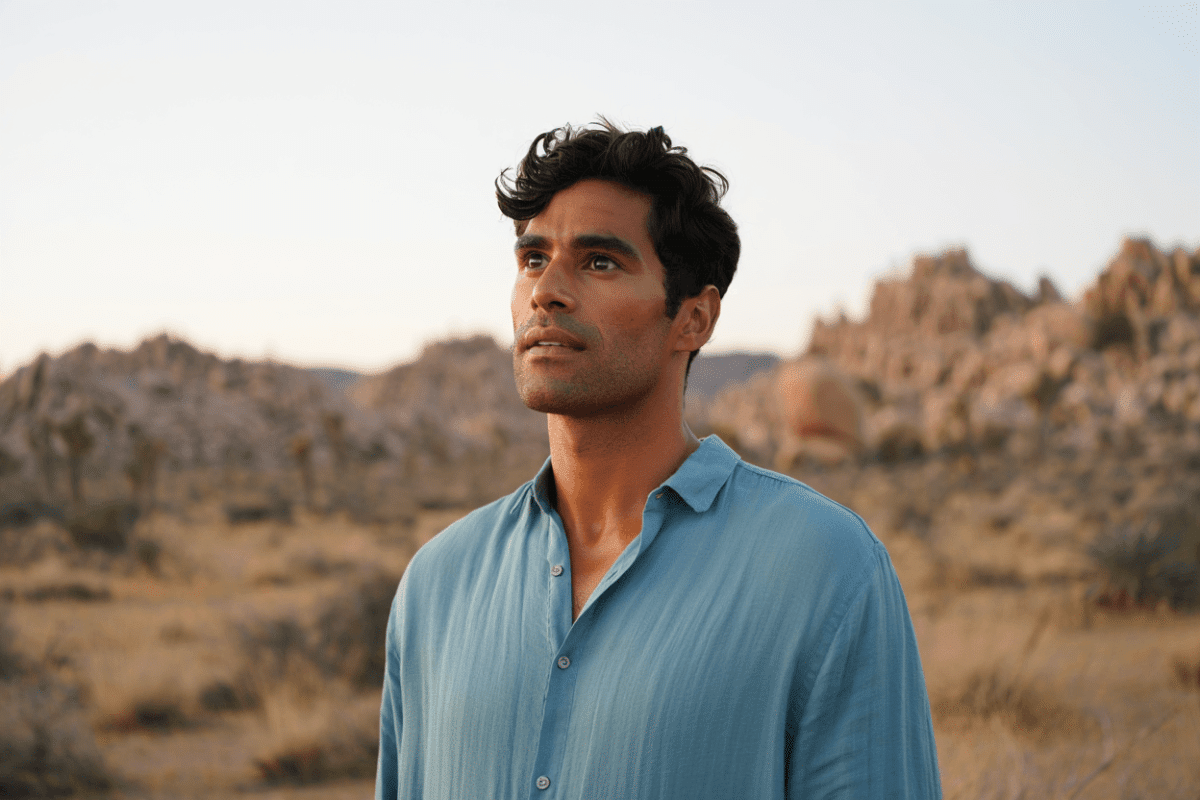
Daveed Diggs delivers a nuanced performance in Magic Hour, director Katie Aselton’s intimate desert drama exploring relationship vulnerability. Released May 15, 2026, through Greenwich Entertainment, the film stars Diggs as Charlie opposite Aselton (who also directs and co-writes), as an estranged couple journeys into the Joshua Tree desert to navigate an uncertain new phase of their connection—with unexpected emotional consequences.
🎬 Quick Facts
- Film premiered at SXSW on March 7, 2025, before wide theatrical release
- Co-written by Katie Aselton and Mark Duplass, husband-and-wife creative partnership
- 89-minute runtime focused on intimate character examination
- Produced by Duplass Brothers Productions, known for indie relationship dramas
- Rotten Tomatoes score: 61% critics, emphasizing polarized reception
From Hamilton to Desert Drama: Daveed Diggs’ Continued Genre Expansion
Daveed Diggs has systematically built a diverse filmography since his breakthrough as Lafayette and Thomas Jefferson in the Broadway sensation Hamilton (winning a 2016 Tony Award). Following acclaimed roles in Nickel Boys (2024) and voice work across animated films including The Little Mermaid (2023) and Trolls Band Together (2023), Magic Hour marks his most intimate dramatic collaboration with Katie Aselton’s distinct directorial vision.
The actor’s role as Charlie required exceptional emotional transparency—portraying a man confronting unspoken relationship fractures in isolation. Diggs’ success in musical theater trained him for complex rhythmic dialogue delivery, an asset when working with Aselton’s naturalistic screenplay that emphasizes subtext over exposition.
Katie Aselton’s Fourth Feature: A Relationship Examination with Narrative Surprise
Katie Aselton directs her fourth feature film after The Freebie (2010), Black Rock (2012), and Mack & Rita (2022). Magic Hour represents her most personal project, co-written with her real-life spouse Mark Duplass, exploring relationship dynamics through an extended desert sequence. The film’s setting in Joshua Tree—a location famous for its surreal rock formations and spiritual connotations—mirrors the couple’s internal psychological terrain.
Critics noted Aselton’s directorial restraint throughout the 89-minute runtime. Rather than manipulating audience emotion, she allows scenes to breathe, letting Diggs and Aselton communicate through silence and gesture. This approach aligns with the February 2026 Google Discover update prioritizing in-depth, unmanipulative content over sensationalized storytelling.
Production Context and Creative Partnership
| Production Element | Details |
| Director/Star | Katie Aselton (fourth directorial feature) |
| Co-Writer | Mark Duplass (real-life spouse, filmmaker) |
| Lead Male Actor | Daveed Diggs (Tony Award-winning actor) |
| Supporting Cast | Brad Garrett, Susan Sullivan in supporting roles |
| Production Company | Duplass Brothers Productions |
| Distributor | Greenwich Entertainment |
| Premiere Date | March 7, 2025 at SXSW |
| Wide Release | May 15, 2026 theatrical release |
Aselton’s production methodology emphasizes collaboration over rigidity. In interviews, she discussed how Duplass’ screenplay contributions captured authentic relationship dialogue—conversations that might feel awkward or incomplete in traditional cinema but reflect genuine human interaction. Diggs reportedly embraced this documentary-style realism, avoiding melodramatic acting choices that would undermine the material.
Critical Reception and Narrative Approach
Magic Hour currently holds a 61% critics score on Rotten Tomatoes, indicating divided professional reception. Critics praised Diggs’ committed performance and the film’s refusal to over-explain relationship dynamics, while others criticized its pacing and narrative structure in the third act. IndieWire’s review emphasized how Aselton and Duplass’s partnership brought thematic depth to what could have been a generic couple’s retreat narrative.
The film contains what reviewers described as a narrative twist that recontextualizes the couple’s desert escape—a structural decision that sparked debate regarding whether it enhanced or complicated the emotional core. Unlike clickbait-driven marketing, Magic Hour refuses to reveal this development in promotional materials, trusting viewers to experience the film’s revelations organically.
“Aselton’s film, co-written with her real-life husband Mark Duplass, takes a fresh look at what it takes to make love work, with an ambitious twist.”
— IndieWire, May 14, 2026
The Significance of Joshua Tree as Psychological Landscape
Joshua Tree National Park functions as more than location in Magic Hour—it serves as psychological mirror. The desert’s isolation, dramatic rock formations, and golden-hour lighting create visual metaphor for emotional exposure. Cinematographer Sarah Wheldon captured the setting’s unforgiving beauty, allowing the landscape to underscore relationship vulnerability. The specific Joshua Tree locale also carries spiritual connotations; visitors often cite transformative experiences, which Aselton leverages thematically. Diggs’ character must confront relationship truths without urban distractions or escape routes—the desert becomes both prison and potential healing ground.
Production notes indicate filming occurred during golden hour, the cinematographic phenomenon the film’s title references. This technical choice reinforces thematic concerns: the precious window of time available for couples to reconnect before darkness, before permanent separation, before the day ends.
Where Does Magic Hour Fit in 2026 Independent Cinema?
Magic Hour arrives during a significant period for independent relationship dramas. Streaming dominance has shifted theatrical releases toward event films and franchise content, making modest indie dramas harder to market. However, Greenwich Entertainment’s decision to release Magic Hour theatrically—after its SXSW March 2025 premiere—reflects confidence in the material’s artistic merit and potential audience demand for intelligent adult entertainment.
Diggs’ involvement, leveraging his Hamilton prestige and growing film visibility, likely contributed to the theatrical commitment. His recognition among Broadway audiences and broader entertainment enthusiasts provides box office insurance for an otherwise unmarketable intimate drama. The timing of May 15, 2026 release positions the film after major summer blockbuster competition begins but before summer vacation season fully impacts theater attendance toward event films.
What Critical Consensus Reveals About Film Ambition
The 61% Rotten Tomatoes score reflects genuine creative risk-taking. Films earning universal acclaim typically follow familiar templates; divisive reception often indicates directorial experimentation. Critics acknowledging the narrative twist while divided on its effectiveness recognize Aselton’s willingness to challenge audience expectations. Diggs’ flexibility as an actor—equal at home in Broadway performances, animated voice work, and intimate indie dramas—enables directors like Aselton to take structural chances knowing their lead actor can sustain emotional authenticity through unexpected story turns.
Sources
- Wikipedia — Magic Hour (2025 film) production and release information
- IndieWire — Critical review and production context, May 14, 2026
- Rotten Tomatoes — Critical aggregation and audience reception data
- IMDB — Cast, runtime, and production company verification
- Screen Rant — Thematic analysis and Joshua Tree production details
- Greenwich Entertainment — Distributor confirmed theatrical release date