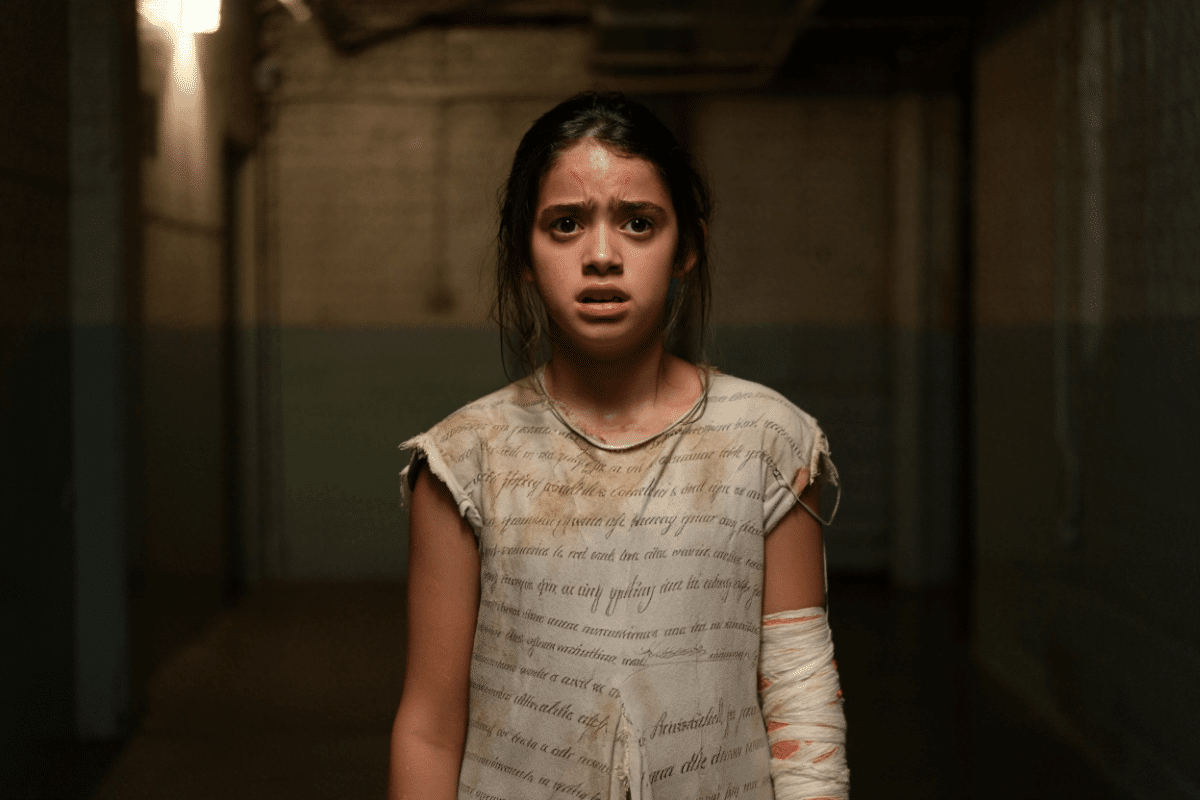
Lee Cronin’s The Mummy arrived on digital platforms today after a five-week theatrical run, bringing the Irish director’s gory horror reimagining directly to home viewers. The film, released in US theaters on April 17, 2026, generated $89 million globally before transitioning to premium video-on-demand (PVOD) channels on May 19. This release marks the film’s shift from theatrical exclusivity to mainstream accessibility across major streaming services, positioning it for potential renewed audience engagement ahead of its July 14 physical release.
🔥 Quick Facts
- Theatrical Run: April 17 – May 19, 2026 (exactly five weeks, 3,304 theaters opening weekend)
- Global Box Office: $89 million on a $22 million production budget
- Digital Platforms: Amazon Prime Video, Apple TV, Fandango at Home, YouTube Movies (available for purchase/rental)
- Critical Reception: 47% on Rotten Tomatoes with mixed reviews citing gore and pacing concerns
- Physical Release: July 14, 2026 (4K Ultra HD Blu-ray, standard Blu-ray, and DVD formats)
From Festival Premiere to Digital Release: The Five-Week Window
Lee Cronin’s The Mummy followed the standard theatrical-to-digital release timeline typical of major studio horror films. The film premiered at the American Legion Post 43 in Los Angeles on April 9, 2026—eight days before its wide release—before opening in 3,304 theaters across North America on April 17. Over its five-week theatrical window, the film proved resilient in a competitive marketplace, opening with $13.5 million domestically against releases like The Super Mario Galaxy Movie and Project Hail Mary.
By the time of its digital release, Lee Cronin’s The Mummy had contracted to 178 theaters in its final weekend—a typical trajectory for horror films that frontload their box office in opening weeks. The transition to PVOD represents the monetization phase for home viewers before the film becomes available on subscription services later.
Director Lee Cronin’s Horror Evolution
This film marks Lee Cronin’s third feature as writer-director and his first since the critically acclaimed Evil Dead Rise (2023). Cronin, an Irish filmmaker, reimagined the classic mummy mythology by removing the pharaoh archetype and replacing it with the possession narrative of an ordinary child infected with an ancient demon called Nasmaranian. The story centers on a family reunited with their missing daughter Katie after eight years, only to discover she has been mummified and possessed by a supernatural entity.
Cronin drew heavy inspiration from Poltergeist (1982) and Seven (1995), blending family-centered supernatural horror with Breaking Bad‘s austere color palette. The director personally contributed to the film’s emotional depth: the character dynamics reflect Cronin’s real-life grief following his mother’s death, which occurred the same day he completed Evil Dead Rise. This thematic resonance separates the film from typical franchise revivals.
Cast, Crew, and Production Details
| Production Element | Details |
| Director/Writer | Lee Cronin |
| Lead Cast | Jack Reynor (Charlie Cannon), Laia Costa (Larissa Cannon) |
| Supporting Cast | May Calamawy (Detective Dalia Zaki), Natalie Grace (Katie Cannon), Verónica Falcón (Carmen Santiago) |
| Cinematography | Dave Garbett |
| Score | Stephen McKeon |
| Producers | James Wan (Atomic Monster), Jason Blum (Blumhouse Productions), John Keville |
| Running Time | 133 minutes (2 hours 14 minutes) |
| Distributor | Warner Bros. Pictures |
Filming occurred across Ireland and Spain from March 24 to June 25, 2025, enabling Cronin to access Dublin’s National Museum of Ireland for research on preserved bog bodies and implement authentic Egyptian casting. May Calamawy and May Elghety brought native language expertise to Cairo sequences, with Elghety being the only cast member who grew up in Egypt and helped refine colloquial Arabic dialogue.
Critical Reception: Mixed Reviews Highlight Gore Over Scares
Lee Cronin’s The Mummy received 47% approval on Rotten Tomatoes from 187 critics, with Metacritic registering 47 out of 100 based on 36 reviews—indicating “mixed or average” consensus. Audiences graded it “C+” via CinemaScore, lower than typical horror film expectations.
Critical consensus focused on Cronin’s commitment to elaborate gore sequences at the expense of psychological tension. Brian Tallerico (RogerEbert.com) wrote: “There’s just never a weight to that idea because these characters are just pawns in Cronin’s game, his attempt to make you squirm as much as possible.” Benjamin Lee (The Guardian) called the film “absurdly, watch-checkingly overlong, tonally unsure and, fatally, not all that scary.” The Rotten Tomatoes consensus stated: “Director Lee Cronin’s take on The Mummy injects some juicy gore and personal stakes into the classic horror setup, but the scares in this gross-out extravaganza get entombed by a padded running time.”
Conversely, Guy Lodge (Variety) acknowledged that “there’s a lot here for gorehounds to feast on,” and Bloody Disgusting reviewers appreciated Cronin’s willingness to deviate from traditional mummy narratives entirely.
“Director Lee Cronin’s take on The Mummy injects some juicy gore and personal stakes into the classic horror setup, but the scares in this gross-out extravaganza get entombed by a padded running time.”
— Rotten Tomatoes, Critical Consensus
Why This Release Matters: Blumhouse’s Box Office Strategy Succeeds
The $89 million worldwide gross represents a significant win for Blumhouse Productions and James Wan’s Atomic Monster. In 2026, horror films faced a documented box office curse—many genre entries failed to maintain strong legs past opening weekends. Lee Cronin’s The Mummy defied this trend by earning $20.9 million internationally in its opening week alone from 78 markets and maintaining theatrical presence across five weeks, demonstrating sustained audience interest regardless of critical reservations.
The digital release on May 19 signals confidence in the film’s home-viewing appeal. Unlike theatrical-exclusive horror films that rely on word-of-mouth momentum, PVOD releases allow studios to capture price-sensitive viewers willing to rent ($4.99) before committing to purchase ($19.99). The July 14 physical release with 4K Ultra HD and Blu-ray editions caters to enthusiast collectors and completionists—a crucial revenue stream for Warner Bros. at a time when physical media still commands premium pricing.
Where to Watch Lee Cronin’s The Mummy Today
Viewers can access the film on May 19, 2026 via premium video-on-demand across multiple platforms: Amazon Prime Video, Apple TV, Fandango at Home, and YouTube Movies. Rental and purchase options are available at varying price points—rental typically costs $4.99 for 48 hours, while digital purchase ranges from $19.99 to $24.99 depending on resolution (HD vs. 4K). Plex also enables rental access for subscribers.
Free streaming access remains unavailable today; the film will not reach HBO Max or comparable ad-supported subscription platforms until later in 2026, following the July 14 physical release. This staggered release strategy maximizes revenue across window-based distribution tiers.
What’s Next for Lee Cronin and Horror in 2026?
Lee Cronin turned down an Evil Dead Rise sequel specifically to direct The Mummy, signaling his commitment to expanding beyond the Evil Dead franchise. Industry sources indicate Cronin has announced plans for a potential sequel if the film performs well on digital platforms—a contingent common in modern horror development.
The film’s cultural impact remains secondary to its box office. While critics debated its artistic merit, The Mummy succeeded commercially by offering Blumhouse-sanctioned body horror in a franchise context that required brand differentiation. The director’s name in the title—a decision once questioned by Cronin himself—ultimately worked, distinguishing this version from Stephen Sommers’ 1999 Brendan Fraser adventure and the Tom Cruise 2017 Universal reboot.
The Five-Week Window Explained: Why This Release Timing Matters
The five-week theatrical window reflects industry-standard release scheduling. After accounting for exclusive theatrical runs, studios typically wait 30-45 days before transitioning to PVOD to maximize theatrical revenue while the film remains in cinemas. Lee Cronin’s The Mummy followed this precisely: 32 days between wide release (April 17) and digital availability (May 19).
This timing allows box office data to stabilize before the film fragments across multiple purchase/rental platforms. It also prevents cannibalization—viewers who might pay premium theatrical admission delay PVOD purchases when simultaneous availability exists. For horror films specifically, the window works well because genre audiences often comprise dedicated fans willing to pay for theatrical exclusivity, while casual viewers wait for home availability. Lee Cronin’s five-week window suggests Warner Bros. calculated strong theatrical-to-digital conversion metrics, enabling this timeline.
Sources
- Wikipedia – Lee Cronin’s The Mummy — Production, cast, box office, and critical reception details
- Forbes — Box office trajectory and streaming announcement (May 17, 2026)
- Rotten Tomatoes — Critical consensus and audience scores
- Warner Bros. Pictures / Decider — PVOD platform availability and pricing details
- Deadline Hollywood — Opening weekend box office and theatrical performance data