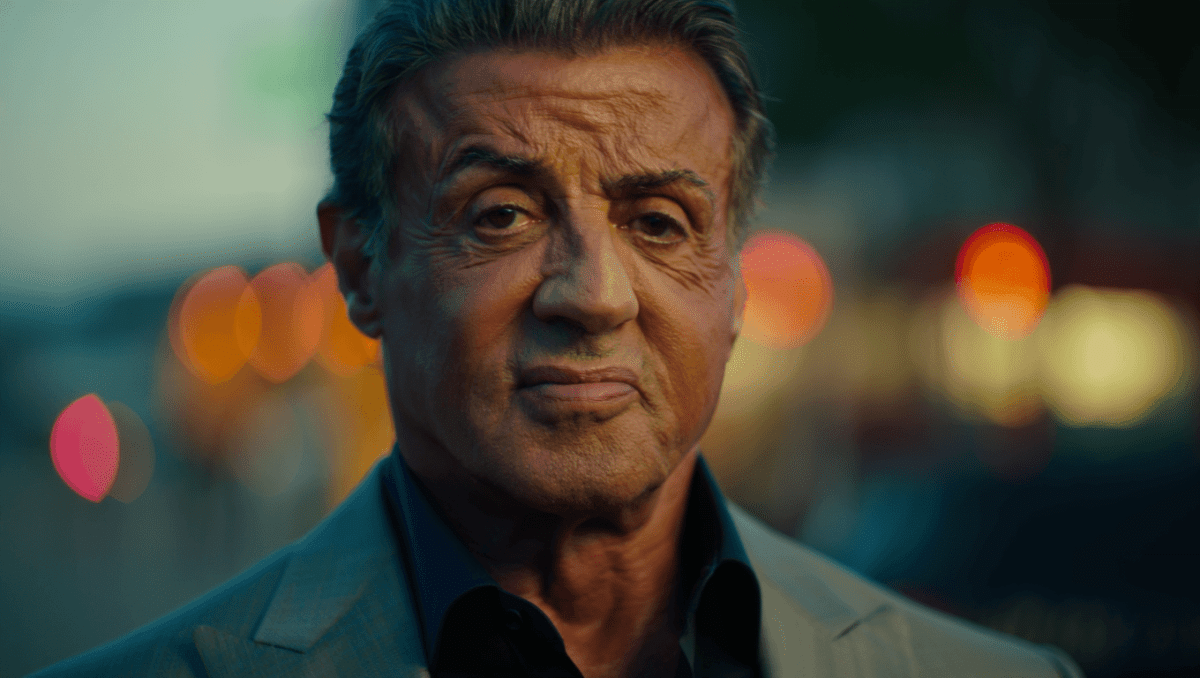
Sylvester Stallone just opened up about Rocky’s stunning Best Picture Oscar win from 50 years ago. The 79-year-old actor revealed how industry insiders told him the film would lose, yet it triumphed anyway.
🔥 Quick Facts
- Oscar Win: Rocky claimed Best Picture at the 1977 Academy Awards, the 49th ceremony
- Budget to Glory: Made for under $1 million, earned $225 million worldwide
- Script Speed: Stallone wrote the entire screenplay in 3.5 days in March 1975
- Filming Time: Shot in just 24 days in Philadelphia with groundbreaking Steadicam technology
When Industry Warned Him He’d Lose
Stallone faced brutal honesty before the historic 1977 Oscar ceremony. Paddy Chayefsky, a prominent screenwriter competing for Best Screenplay, approached the then-unknown actor with a warning. Chayefsky confidently predicted that both his own script and his film Network would trounce Rocky.
“He’s a tiny guy, very brazen, and comes up to me,” Stallone recalled in an interview. He told the young actor, “Your screenplay is never going to win. You’re not winning Best Picture either, because Network is going to win Best Picture.” Network was the favorite, backed by the establishment and veteran talent.
The Against-All-Odds Victory
Despite the dire warnings, Stallone’s underdog film delivered its own knockout punch on Oscar night. The film beat Network, Taxi Driver, Bound for Glory, and All the President’s Men to claim cinema’s highest honor. Director John G. Avildsen also won Best Director, and the film earned three Oscars total.
Stallone’s reaction was pure shock. “When we won, I was so stunned, I just went, ‘Oh my god,'” he said. “If I wasn’t holding onto the chair, I probably would’ve just done a back flip.” The 30-year-old Stallone later regretted not fully embracing the moment due to overwhelming emotion and disbelief.
| Oscar Category | Winner |
| Best Picture | Rocky |
| Best Director | John G. Avildsen |
| Best Film Editing | Richard Halsey, Scott Conrad |
| Total Nominations | 10 nominations for Rocky |
Why Rocky Connected When Nothing Else Did
Stallone’s theory explains the film’s lightning-in-a-bottle success. “People were looking for something life-affirming,” he said in recent reflection. The film arrived at precisely the right cultural moment: post-Vietnam, post-Watergate America was exhausted by dark, nihilistic cinema.
The story was deliberately apolitical and humanizing, focusing on personal fulfillment, courage, and love rather than social messaging. Bill Conti’s iconic musical score, which Stallone championed, crossed generational boundaries and elevated the entire film. “The story is generational,” Stallone had urged producers. “Let’s use something that will cross all those generations.”
From Desperate Struggle to Legend Status
What makes Stallone’s journey even more remarkable is how close he came to never starring in the film. United Artists offered him serious money to walk away and let a more established actor lead. Stallone had only $106 in his bank account, yet he refused, believing in his screenplay and his vision.
The studio executives who finally approved Rocky with Stallone starring allegedly thought he was Perry King, an actor from his earlier film. The confusion ultimately worked in Stallone’s favor. Today, 50 years later, he reflects with gratitude: “I’m really starting to embrace just how lucky I’ve been.”
“Me being me, it was all quite profound, and after we won, I thought, ‘The good news is, I’ve peaked, and the bad news is, I’ve peaked.’ I’d just turned 30 years old and was like, ‘How are you going to top this?'”
— Sylvester Stallone, Actor and Screenwriter
What Makes This Half-Century Milestone So Remarkable?
Rocky’s legacy transcends the Oscar statuette. The film pioneered cinematic techniques, featured the first major Steadicam use in a dramatic context, and fundamentally shifted Hollywood’s appetite for underdog narratives. Stallone’s creative vision created a template for generations of filmmakers.
Looking back, Stallone admits his one regret: “I was unable to just be in the moment, to really relish all the incredible sights and sounds.” Yet from that Oscar stage 50 years ago, wearing a tuxedo with the collar of his open shirt, Stallone handed cinema one of its most enduring and beloved stories.
Sources
- Deadline – Sylvester Stallone’s comprehensive 50th anniversary interview about Rocky’s Oscar win and career-defining moment
- Parade – Coverage of Stallone being warned before the 1977 Oscars that Rocky would lose Best Picture
- The Academy (Oscars.org) – Official records of the 49th Academy Awards where Rocky won Best Picture, Director, and Film Editing