Eurovision voting unfolds in Vienna Saturday night as 25 countries compete in the 70th Song Contest. Israel’s participation draws massive street demonstrations today, with security tense across the Austrian capital.
🔥 Quick Facts
- Grand Final Date: Saturday, May 16, 2026 at 21:00 CEST from Wiener Stadthalle in Vienna
- Participating Nations: 25 countries competing for the trophy, down from 35 total who joined semi-finals
- Boycotting Countries: Five nations (Spain, Netherlands, Ireland, Iceland, Slovenia) withdrew over Israel’s inclusion
- Voting System: 50/50 split between professional jury votes and public televotes, each awarding points
The Grand Final Kicks Off Tonight in Austria
The 70th Eurovision Song Contest reaches its climax today in Vienna’s Wiener Stadthalle. Hosted by Victoria Swarovski and Michael Ostrowski, the evening will showcase performances from 25 finalists who advanced from two semi-finals held May 12 and 14. The voting opens just before the first artist performs, with viewers able to cast multiple ballots through phone, SMS, and online platforms.
Austria automatically qualifies as the host nation, alongside the Big Four: France, Germany, Italy, and the United Kingdom. These countries earned their automatic spots through historical financial contributions to the European Broadcasting Union. Rest of the World votes are counted as a single unified voice, giving global fans an additional say in determining the winner.
Israel’s Presence Sparks Political Tension Across Vienna
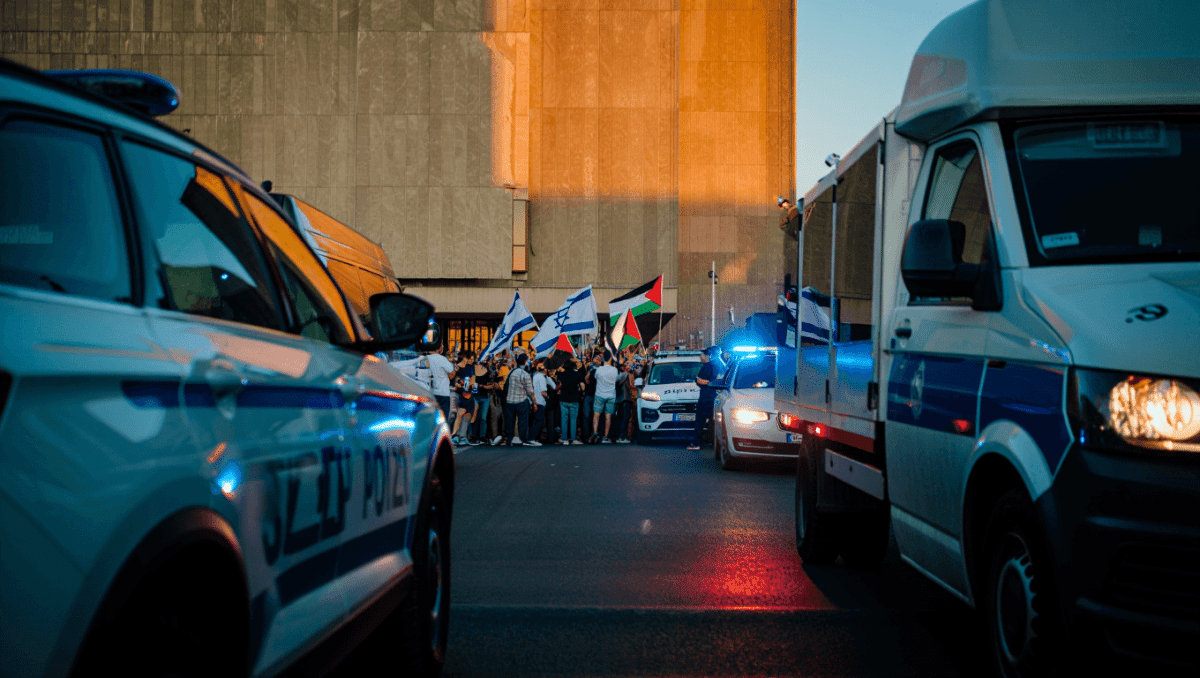
Noam Bettan represents Israel with the song “Michelle,” but his participation has erupted into street protests that dominated Vienna over the past 48 hours. Demonstrators wearing keffiyahs and watermelon earrings gathered at Maria-Theresien-Platz, demanding the Eurovision Broadcasting Union disqualify Israel over the Gaza conflict. Amnesty International called the participation a “betrayal of humanity,” while organizers of an alternative musical protest event said Eurovision represents a propaganda show for an alleged apartheid state.
Security has intensified dramatically, with Shin Bet, Mossad, and Austrian elite units guarding the Israeli contestant. Press reports indicate Bettan has spent months rehearsing while listening to simulated crowd boos to prepare psychologically. Bookmakers list Israel as the fifth-most likely to win the competition.
How the Voting Process Works Tonight
| Voting Element | Details |
| Methods Available | Phone, SMS, and online voting platforms |
| Public Vote Weight | 50 percent of total final score |
| Jury Vote Weight | 50 percent from professional judges |
| Presentation Order | Jury points revealed first, then public televote |
The 50/50 voting system marks the 10th year of this balanced approach, creating dramatic tension as jury preferences are announced before public votes are tallied. This year, juries made a comeback in semi-finals for the first time since 2022, ensuring a roughly equal division throughout the entire contest. Entrants receive points from professional judges in each participating country plus from millions of viewers casting ballots at home.
“I’m so split. I understand why people don’t want to watch Eurovision this year, but I also don’t think either side is helped by me not watching it.”
— An Austrian Eurovision fan, reflecting on the divide
Five Countries Boycott Over Political Controversy
Ireland, Iceland, Netherlands, Slovenia, and Spain all withdrew their participation in protest against Israel’s inclusion in the competition. The choice sparked fierce debate within the Eurovision community, with some arguing that the event should remain apolitical while others contend that artistic communities have responsibility to take stands on humanitarian issues. The European Broadcasting Union defended its decision, stating that most member broadcasters supported Israel’s participation despite the geopolitical tensions.
The 35-nation lineup in semi-finals has thus condensed to 25 in the Grand Final, reshaping the competitive landscape. Major sponsors also withdrew support over the controversy, adding financial pressure to organizers who designed the Vienna event to showcase the city’s cultural resilience following years of economic uncertainty in Central Europe.
What Happens if Israel Wins the Eurovision Crown?
Bettan’s potential victory tonight carries extraordinary implications that extend far beyond music and entertainment. Israeli journalists covering the event acknowledge that an Israeli win could trigger unthinkable backlash against the Eurovision brand itself. One reporter stated bluntly that winning “would be the end of Eurovision,” while colleagues worried it would become “complicated” for the organization’s future credibility with international broadcasting partners and participating nations.
The contest was already stretched thin by boycotts and sponsor withdrawals, leaving the European Broadcasting Union vulnerable to further damage if perceived as endorsing one side politically. Despite these implications, Bettan prepared his performance knowing volleys of noise and disruption might occur, having trained extensively for such scenarios.
Sources
- The Hollywood Reporter – Coverage of Vienna protests and contestant preparation
- BBC News – Eurovision voting system and final details
- Eurovision.com – Official contest schedule and participation information