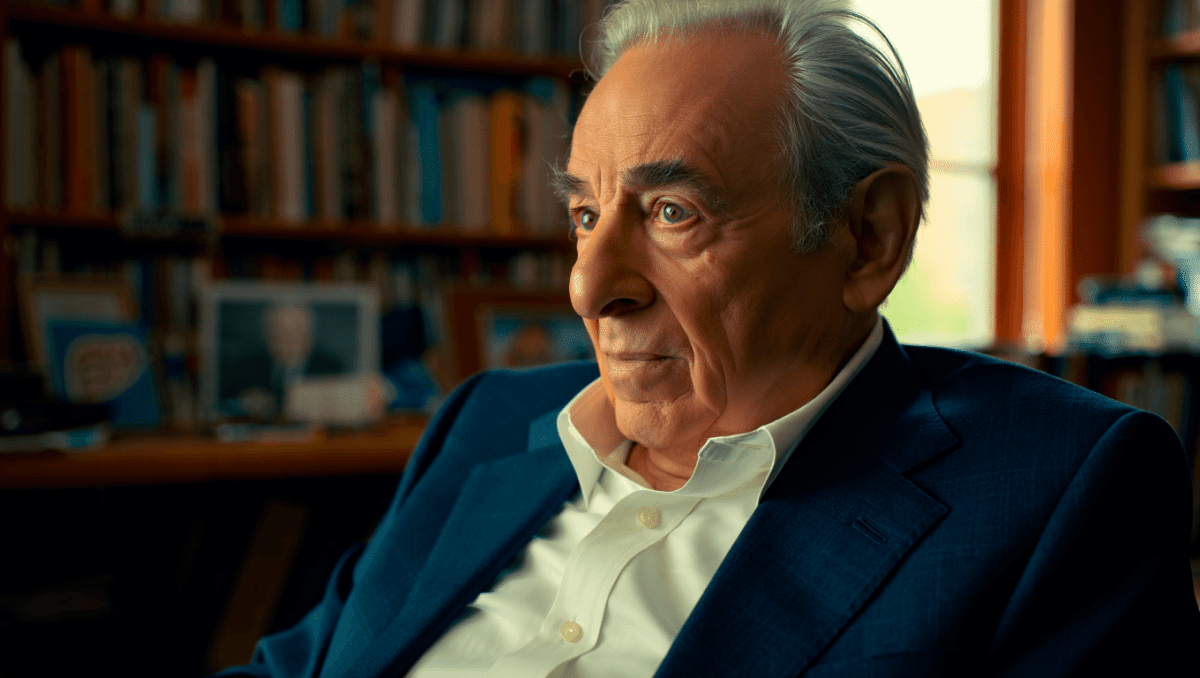
Rex Reed, the legendary film critic whose sharp wit and acerbic prose shaped American cinema criticism, died Tuesday at age 87. The Manhattan resident passed away at his home, leaving behind nearly six decades of fearless movie reviews.
🔥 Quick Facts
- Born: October 2, 1938 in Fort Worth, Texas, raised in Louisiana
- Career Span: Reviewed films and wrote criticism for nearly 60 years across multiple major publications
- Observer Tenure: Staff writer for The New York Observer for nearly 40 years continuously
- Residence: Lived at The Dakota, Manhattan’s iconic luxury apartment building on Upper West Side
Master of Acerbic Wit and Fearless Criticism
Rex Reed became one of America’s most prolific and recognizable film critics precisely because he refused to follow the crowd. His prose was graceful and evocative, yet often devastatingly critical. He fawned over Old Hollywood stars with genuine affection while simultaneously sparring with industry figures when their work disappointed him, famously clashing with Frank Sinatra over the years.
Reed’s distinctive Manhattan drawl and theatrical delivery became his signature. He worked as a critic for Vogue, GQ, and Women’s Wear Daily. He spent 13 years as an arts critic for the New York Daily News and contributed to The New York Times for years. But it was his relationship with The New York Observer that truly defined his legacy.
A Voice That Shaped Film Culture for Generations
According to The Observer, Reed was one of the most renowned film critics in American history, reviewing movies for the publication for nearly its entire existence since 1987. His columns became must-read cultural commentary, where readers could expect uncompromising opinions delivered with style and intelligence.
The critic was known for his brash, often acidic takes on films and filmmakers. When he dismissed a project, cinemas took notice. His sharp-tongued assessments earned him enemies in Hollywood, but admirers appreciated his ability to articulate exactly why a film succeeded or failed. He was sharper than ever even at 87, continuing to contribute reviews until recently.
Major Publications and Recognition
| Publication | Role |
| The New York Observer | Staff critic for nearly 40 years, primary platform |
| The New York Times | Film critic and contributor |
| Vogue, GQ, WWD | Entertainment and culture critic |
| New York Daily News | Arts critic for 13 years |
| National syndication | Co-hosted At The Movies television program |
“He fawned over Old Hollywood stars and sparred with Frank Sinatra.”
— The New York Times, Obituary
An Icon From The Dakota to Hollywood
Reed was a fixture of Manhattan cultural life, living in The Dakota, the historic apartment block where John Lennon was famously shot. His presence there symbolized his place as a guardian of elite New York culture and artistic standards. He was not just a critic but a public intellectual whose views on cinema influenced how millions of Americans understood film.
When he panned a major release, studio executives winced. When he championed a film, indie producers celebrated. His tenure spanning the 1970s through 2026 meant he witnessed the transformation of cinema from Old Hollywood glamour through the digital revolution. His voice remained consistent: honest, unafraid, and always entertaining.
What Does His Passing Mean for Film Criticism in 2026?
The death of Rex Reed marks the end of an era in American journalism. The New York Observer noted he was the last of the great independent critics, a voice that valued art over commerce. In an age of algorithmic recommendations and social media opinions, his model of serious, professional criticism seems increasingly endangered.
Reed proved that a single critic, armed with intelligence and style, could shape culture for six decades. His legacy will influence film criticism for generations to come, proving that true artistic integrity never goes out of style.
Sources
- The New York Times – Official obituary published May 12, 2026, detailing Reed’s 60-year career and cultural impact
- The New York Observer – Personal remembrance noting Reed’s nearly 40 years as staff film critic
- Variety – Comprehensive obituary covering Reed’s influence on contemporary film criticism and journalism