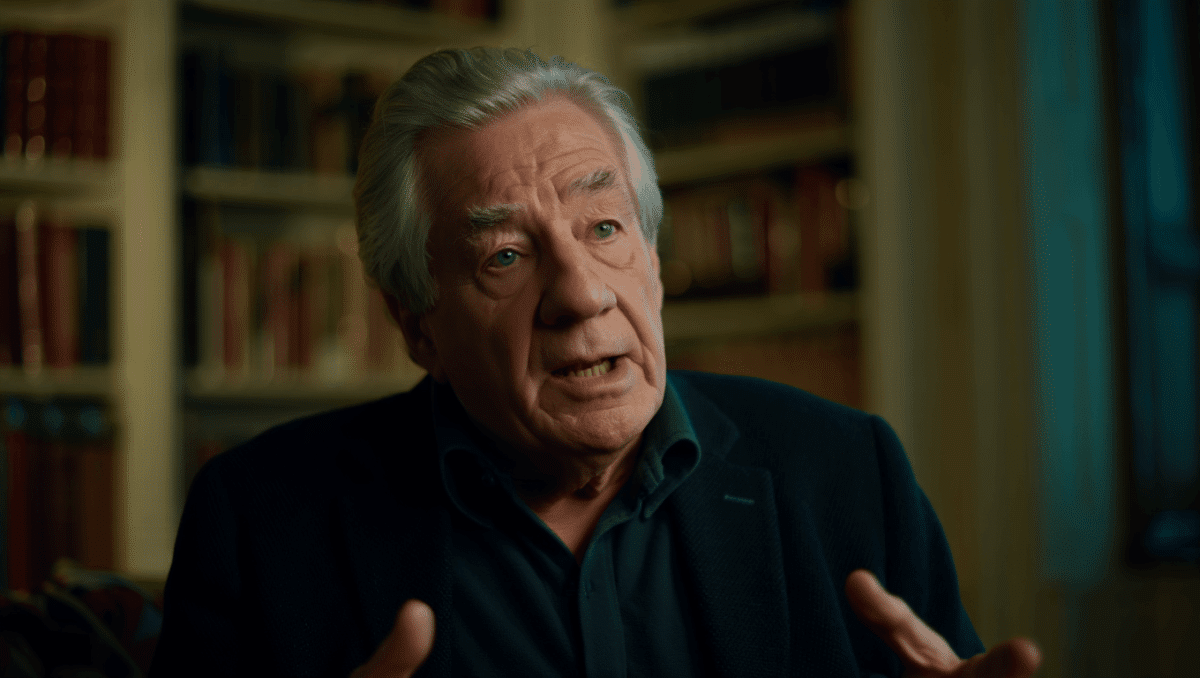
Sir Ian McKellen just revealed a stunning piece of Hollywood history. The legendary Lord of the Rings star disclosed that Alec Guinness, the iconic Obi-Wan Kenobi actor, once pleaded with him to stay silent on gay rights. In a recent Guardian interview, McKellen described it as the “worst advice” he ever received.
🔥 Quick Facts
- Interview Date: Revealed May 7, 2026 in The Guardian
- The Ask: Guinness (1914-2000) urged McKellen to withdraw from Stonewall campaigns
- Reasoning: Guinness called activism “unseemly” for actors to engage in politics
- Outcome: McKellen ignored the advice and co-founded Stonewall UK in 1988
A Late Legend’s Conservative Warning
Alec Guinness, the acclaimed British actor who passed away in 2000 at age 86, represented a different era. The Academy Award winner had starred in Lawrence of Arabia and became a household name through Star Wars. Yet according to McKellen, the veteran performer held deeply conservative views about public activism by entertainers.
During their interaction, Guinness reportedly emphasized that it was inappropriate for actors to involve themselves in political causes, particularly those related to gay rights. McKellen, then younger and rising through the ranks, found himself at a crossroads between respecting his elder and pursuing his principles.
“It’s Unseemly for an Actor to Dabble in Politics”
McKellen recently quoted Guinness directly in the interview, revealing the Star Wars legend felt such activism was “unseemly.” The word choice is particularly striking, suggesting Guinness viewed public political engagement as undignified for members of the theatrical profession. McKellen acknowledged that Guinness was “latent bisexual,” suggesting the older actor may have carried personal baggage around sexuality.
This clash of perspectives reflects the cultural divide of their time. Guinness‘s generation often viewed silence as the safest path, while McKellen‘s generation increasingly recognized that silence itself was complicity.
How One Rejection Shaped a Movement
McKellen was undeterred by Guinness’s objections. In 1988, following a heated BBC radio debate about Margaret Thatcher’s Section 28 law (which prohibited homosexuality promotion in schools), McKellen made his historic decision. He came out publicly and co-founded Stonewall UK, a lobbying group dedicated to legal and social equality for LGBTQ+ people.
| Timeline Event | Year or Era |
| Guinness Discouraged McKellen | Pre-1988 |
| BBC Debate on Section 28 | 1988 (turning point) |
| McKellen Co-Founded Stonewall | 1988 (same year) |
| Alec Guinness Passed Away | August 5, 2000 |
“The worst advice I ever got was from Alec Guinness, who told me to stay quiet on gay rights because it’s unseemly for an actor to dabble in political affairs.”
— Sir Ian McKellen, Actor and LGBTQ+ Activist
The Lasting Impact of Choosing Courage Over Convention
McKellen’s decision to ignore Guinness’s counsel proved transformative for the LGBTQ+ movement in the UK. The actor became a globally recognized advocate, using his platform to fight for equality. He participated in Pride events, testified before Parliament, and became a symbol of visible gay leadership in entertainment.
Stonewall UK grew into a major force, lobbying successfully to repeal Section 28 and eventually winning marriage equality in 2014. None of this might have happened with the same visibility and impact had McKellen heeded Guinness’s advice to remain silent. The contrast is stark: Guinness sought invisibility, while McKellen chose visibility and changed history.
Why Is This Story Still Resonating in 2026?
At 86 years old, Sir Ian McKellen continues to speak candidly about his journey and the obstacles he faced. The May 7 interview in The Guardian surfaced this remarkable anecdote precisely because it illustrates a generational conflict that remains relevant. Even today, LGBTQ+ youth face pressure to downplay their identity in professional settings.
McKellen’s story serves as a powerful reminder: the advice that feels safest is often the advice that perpetuates harm. Had he listened to Guinness, millions might still lack the legal protections they now enjoy. What legacy will today’s leaders leave by choosing silence or courage?
Sources
- The Guardian – Ian McKellen reader interview, May 7, 2026
- Variety – Coverage of McKellen’s revelation about Guinness and gay rights activism
- The Independent – Article on McKellen calling Guinness “latent bisexual” and his refusal to campaign for LGBTQ+ rights