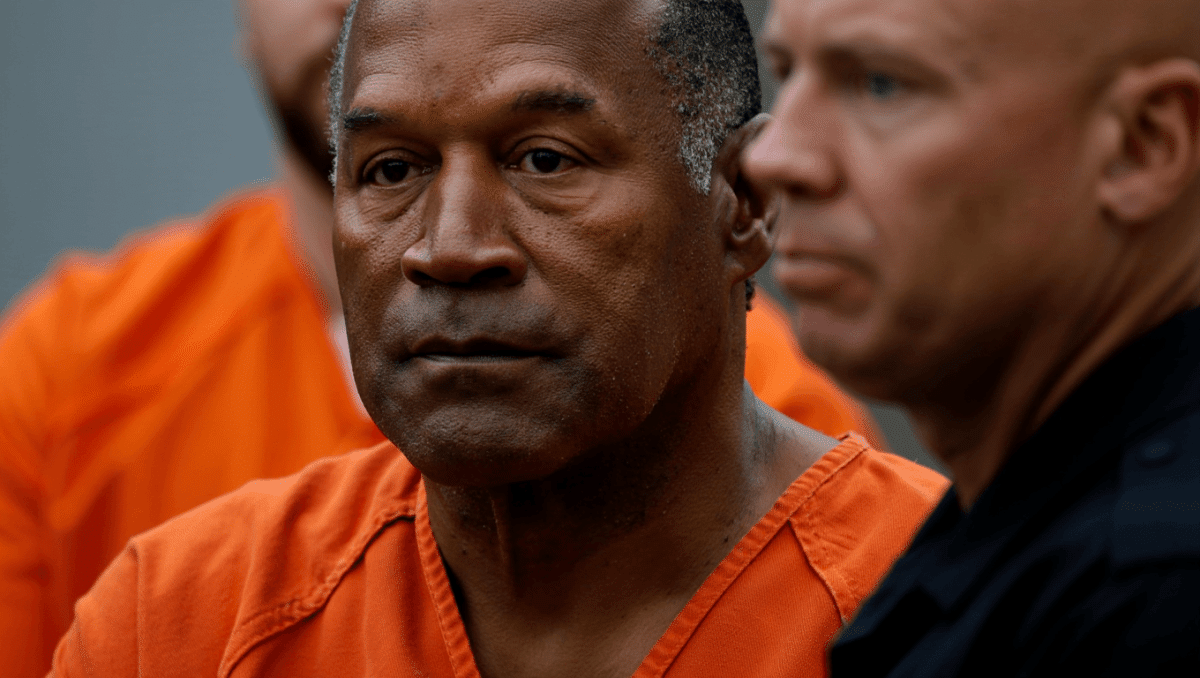
O.J. Simpson’s estate finally settled a decades-old debt. Fred Goldman, father of murdered waiter Ron Goldman, accepted nearly $58 million from the former NFL star’s estate after winning a wrongful death judgment more than three decades ago. The landmark agreement closes one of America’s most infamous legal sagas.
🔥 Quick Facts
- Settlement Amount: Nearly $58 million, including 30 years of accumulated interest since 1995
- Original Judgment: Civil jury awarded approximately $33.5 million in 1997 wrongful death suit
- Ron Goldman Murder: Killed alongside Nicole Brown Simpson in June 1994, 31 years ago
- Estate Executor: Malcolm LaVergne accepted the creditor claim in November 2025
A Three-Decade Wait Ends
Fred Goldman won his civil case against O.J. Simpson in 1997, but collecting the judgment proved nearly impossible. Simpson declared bankruptcy protection in Nevada, claiming limited assets available to creditors. For over 25 years, the Goldman family pursued enforcement through courts despite Simpson’s resistance. The case symbolized the stark difference between criminal acquittal and civil liability.
Even after Simpson’s death in April 2024, payment remained uncertain. His estate executor initially resisted, with Malcolm LaVergne stating the Goldmans would receive “zero, nothing” from the estate. This prompted intense public backlash and legal pressure from Fred Goldman‘s attorneys, who argued the settlement obligation transcended Simpson’s lifetime.
How Interest Ballooned the Judgment
The original $33.5 million civil judgment from 1997 grew substantially through compound interest over three decades. According to court documents, the exact amount accepted includes $57,997,858.12, representing both principal and accumulated interest. This demonstrates how time, legal procedures, and financial obligations multiply in high-profile cases.
California law permitted the judgment to accrue interest annually, making the debt significantly larger than the original verdict. Goldman’s attorney repeatedly emphasized that ignoring the obligation would constitute gross injustice to the family of a murder victim.
The Estate Settlement Timeline
| Event | Date |
| Ron Goldman murdered | June 12, 1994 |
| Civil judgment awarded | February 1997 |
| O.J. Simpson dies | April 10, 2024 |
| Estate accepts claim | November 2025 |
“The agreement represents a positive acknowledgement of the family’s long fight for justice.”
— Fred Goldman’s Legal Team, Statement to Media
What This Means for Civil Judgment Enforcement
The settlement establishes important precedent for pursuing monetary judgments against celebrities and high-net-worth defendants. Estate law experts note that even seemingly judgment-proof individuals must eventually account for civil liabilities. The case demonstrates that persistent legal action and public pressure can yield results decades later.
Malcolm LaVergne appeared on media outlets and walked back his earlier harsh statements about the Goldmans. He acknowledged the estate’s obligation while noting that available assets may be insufficient to cover the full $58 million claim immediately. This candid admission shifted public perception of the estate’s approach to creditor responsibilities.
Does This Finally Bring Closure to America’s Most Divisive Case?
The O.J. Simpson trial remains one of the most polarizing legal events in American history. The criminal acquittal in 1995 shocked the nation, while the subsequent civil loss reinforced complex divisions about justice, race, and celebrity. Ron Goldman’s family endured decades of frustration watching their judgment go unpaid.
Financial settlement does not erase the tragedy of June 1994. However, acknowledgement by the Simpson estate that the obligation stands represents a form of accountability long denied to the Goldman family. For many observers, this moment answers a question that haunted the case for over 30 years: would justice eventually be served?