Show summary Hide summary
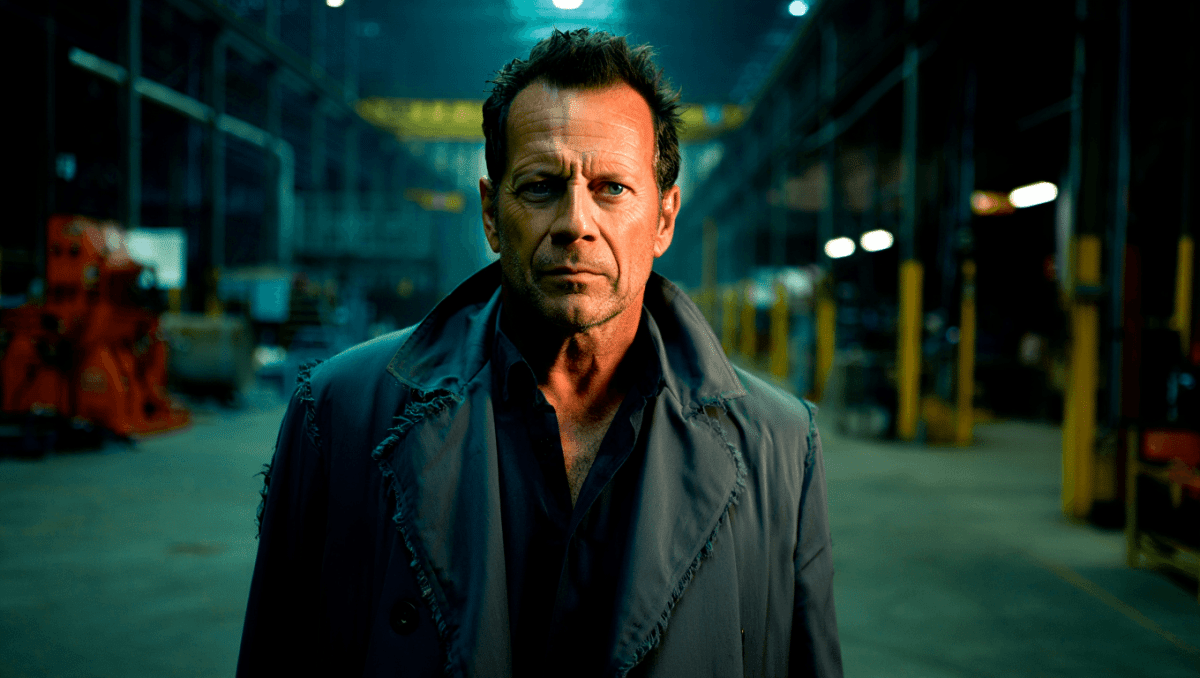
Striking Distance has become Netflix’s #1 film worldwide, a stunning reversal for a 1993 action thriller that initially flopped after its theatrical release. Bruce Willis stars in the crime drama that critics derided for decades. Now, 33 years later, audiences are discovering why this Pittsburgh serial killer thriller deserves a second look.
🔥 Quick Facts
- Original Release: September 17, 1993, as a theatrical flop grossing just $24 million domestic
- Netflix Debut: Now commanding #1 global streaming position in May 2026, weeks after its platform launch
- Worldwide Gross: $77 million total box office on a $30 million budget, but largely international success
- Critical Score: 20 percent on Rotten Tomatoes, yet audiences now rate it a solid B on CinemaScore
From Box Office Disaster to Streaming Gold
Striking Distance opened at number one in September 1993 with a disappointing $8.7 million debut weekend. The film barely broke even domestically despite heavy promotion. Bruce Willis was riding high after Die Hard, but critics slammed this Pittsburgh-set cop thriller as derivative and poorly paced. On Rotten Tomatoes, it scored just 20 percent approval. Roger Ebert gave it one and a half stars, criticizing its heavy reliance on tired action clichés. Yet internationally, the film found audiences who embraced its gritty style, ultimately reaching $77 million worldwide.
Fast-forward three decades: Netflix added the thriller to its catalog in April 2026, and overnight it clicked with a new generation of viewers. The streaming platform’s algorithm propelled it to the coveted number one spot globally. What 1993 theatrical audiences rejected, 2026 Netflix subscribers are devouring by the millions.
Striking Distance becomes Netflix’s #1 film, Bruce Willis action thriller revived 33 years after theatrical flop
Meghan Trainor cancels summer tour to focus on family and new album
The Cast That Carried the Load
Willis plays Tom Hardy, a demoted homicide detective convinced a fellow officer is a serial killer known as the Polish Hill Strangler. Opposite him is Sarah Jessica Parker as Jo Christman, his new partner with her own undercover agenda. Dennis Farina brings menace as Captain Nick Detillo, Willis’s uncle and a key suspect in the twisted plot. Tom Sizemore rounds out the ensemble as Danny Detillo, a fallen cop drowning in alcoholism. Director Rowdy Herrington orchestrated the ensemble with a taut thriller pace despite the studio meddling that plagued production.
The chemistry between Willis and Parker electrified scenes, though critics at the time dismissed their performances as wooden. Sizemore’s tortured turn as a corrupt cop foreshadowed his talent for dark roles. Farina’s weathered face and gravelly voice made him a perfect corrupted authority figure. This cast ensemble now plays remarkably better to modern audiences than contemporary viewers.
Production Chaos and Streaming Redemption
| Detail | Information |
| Release Date | September 17, 1993 |
| Platform | Netflix (launched April 2026) |
| Director | Rowdy Herrington |
| Budget | $30 million (1993 dollars) |
Striking Distance suffered a notoriously troubled production under Sony Pictures leadership. The original cut, titled Three Rivers, tested poorly with audiences who found it confusing and tonally awkward. One industry source described it as Hudson Hawk Without the Laughs, a damning comparison. Willis demanded extensive reshoots in Los Angeles, pushing the May 1993 release date to September. Studio chairman Mark Canton insisted on sexier scenes between Willis and Parker, quicker pacing, and a pivot toward pure action over character depth. The relentless tinkering cost time and money but ultimately failed to win over critics upon release.
Streaming changed the equation entirely. Without theatrical expectations or critic gatekeeping, modern viewers approached the film fresh. The tight 101-minute runtime, the neo-noir Pittsburgh setting, and Willis’ committed performance found their audience. FlixPatrol data confirms Striking Distance has maintained top-three status on Netflix’s global chart for weeks. Apparently, what Sony couldn’t sell in 1993 crowds, Netflix sold to digital viewers with a single algorithmic nudge.
According to Rotten Tomatoes critics, Striking Distance was “weighed down by a rote story and passionless performances, representing one of the lesser 1990s genre outings from action hero Bruce Willis.”
— Rotten Tomatoes Consensus
Why Streaming Audiences Embrace What Critics Rejected
The movie’s resurrection reveals how streaming has democratized film appreciation. Theatrical critics in 1993 valued originality and subtlety. Modern streaming audiences value genre entertainment, technical craft, and star power. Willis brings authentic cop fatigue to Tom Hardy. The serialized killer narrative, once criticized as generic, now feels like prestige television. Pittsburgh’s industrial decay provides atmospheric noir vibes that contemporary audiences find visually compelling. The film’s willingness to embrace pulp storytelling without apology appeals to viewers tired of ironic detachment.
Netflix‘s algorithm also helped. The platform’s recommendation engine doesn’t care about 1993 critical consensus. It tracks what viewers watch, pause, rewind, and recommend to friends. Striking Distance apparently triggers pattern matches with successful thrillers. Its 33-year gap from release to streaming revival is part of its appeal. Audiences enjoy rediscovering overlooked gems that critics missed.
Is This the Beginning of a Striking Distance Renaissance?
Sustained success on Netflix could spark wider reassessment of the film and director Rowdy Herrington‘s career. Film critics might revisit their harsh takes given streaming evidence of audience engagement. Willis fans, many now in their fifties and sixties, may introduce the film to younger generations, creating multigenerational viewership. Whether this translates to restored critical reputation remains uncertain. What’s undeniable is that Striking Distance has already achieved something rare: a complete inversion of its commercial and cultural trajectory. From theatrical pariah to streaming sensation in three decades proves timing, platform, and audience appetite matter more than initial critical verdict. The question now is whether other 1990s box office flops are quietly waiting for their own Netflix moment.
Sources
- Comic Book Resources – Article on Bruce Willis’ Striking Distance Netflix streaming success and 33-year redemption arc
- Wikipedia – Comprehensive production history, cast details, box office performance, and critical reception data
- Rotten Tomatoes – Official critical consensus and audience scoring for 1993 release versus current perception